

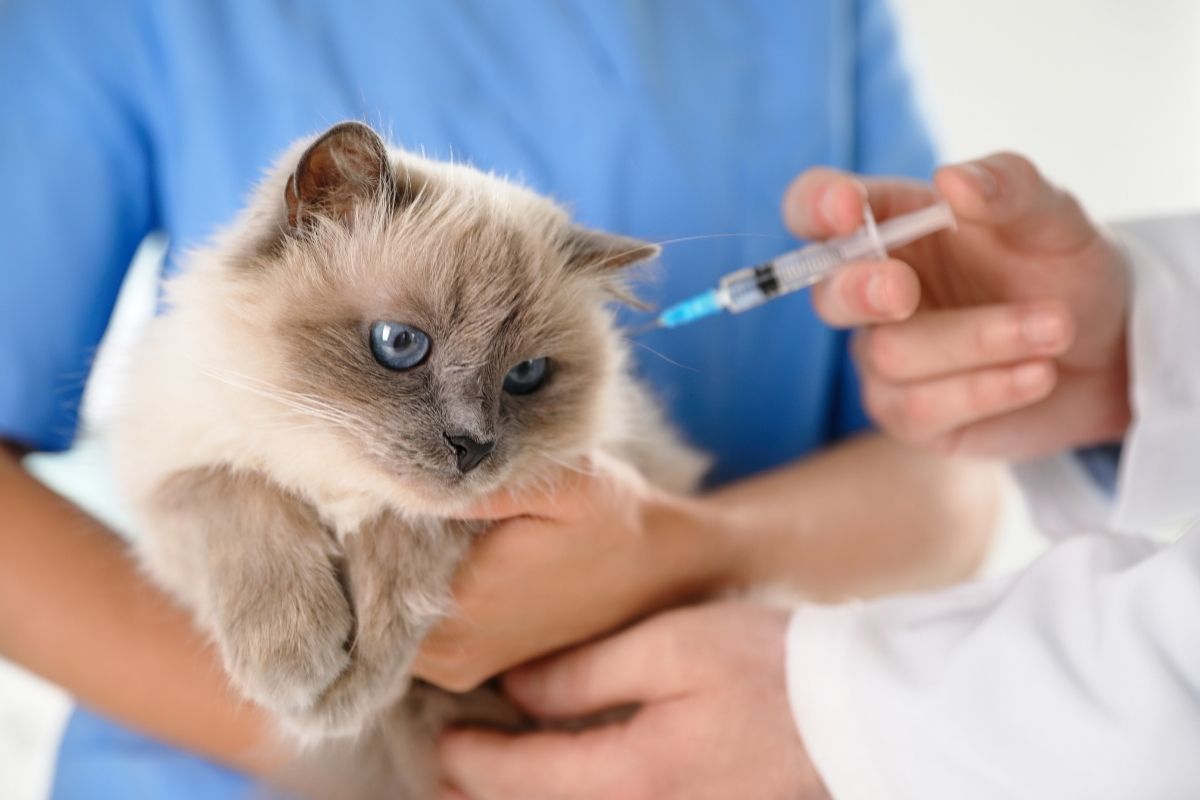
Vaccinations play a vital role in protecting cats from serious and potentially life-threatening diseases. From kittenhood through adulthood, vaccines help strengthen your cat’s immune system and reduce the risk of contagious illnesses. While vaccines are considered safe and effective, some cats may experience mild side effects after their appointment. Understanding what is normal and when to contact a veterinarian can help pet owners feel more confident about their cat’s care.
At The Cat Practice, we believe informed pet owners make the best healthcare decisions for their feline companions. If you are searching for trusted cat vaccinations New Orleans services or a compassionate New Orleans vet, our experienced feline-focused team is here to help.
Why Vaccinations Are Important for Cats
Vaccines are designed to prepare your cat’s immune system to recognize and fight harmful viruses and bacteria. They help prevent diseases that can spread quickly among pets and, in some cases, may even be fatal.
Vaccination schedules vary based on individual needs, which is why regular wellness visits with a qualified veterinarian are essential.
Are Cat Vaccine Side Effects Normal?
Yes, mild vaccine side effects are generally normal and temporary. Vaccines stimulate the immune system, so some cats may experience mild reactions as their body builds protection against disease.
Most side effects resolve within 24 to 48 hours without treatment. However, pet owners should monitor their cats closely after any vaccination appointment to ensure symptoms do not worsen.
Common Mild Side Effects After Cat Vaccinations
Many cats experience little to no discomfort after receiving vaccines. When reactions do occur, they are typically mild and short-lived.
1. Mild Fatigue or Sleepiness
It is common for cats to feel tired after a vaccination visit. Your cat may nap more often or seem less active than usual for a day or two.
2. Reduced Appetite
Some cats may eat less after vaccinations due to mild discomfort or stress from the veterinary visit. Appetite typically returns quickly.
3. Slight Fever
A mild fever is a normal immune response and may cause your cat to feel warm or slightly lethargic.
4. Soreness at the Injection Site
Cats can experience mild tenderness or swelling where the vaccine was administered. This usually disappears within a few days.
5. Mild Sneezing
Certain vaccines, especially intranasal vaccines, can occasionally cause temporary sneezing or watery eyes.
These mild symptoms are usually not dangerous and often improve with rest and hydration.
Serious Vaccine Reactions to Watch For
Although rare, severe vaccine reactions can occur. Pet owners should know the warning signs that require immediate veterinary attention.
Facial Swelling
Swelling around the face, eyes, or muzzle may indicate an allergic reaction.
Difficulty Breathing
Labored breathing, wheezing, or excessive coughing should always be treated as an emergency.
Persistent Vomiting or Diarrhea
Repeated digestive upset after vaccination may signal a serious reaction.
Collapse or Extreme Weakness
If your cat becomes unresponsive or severely weak, contact a veterinarian immediately.
Severe Itching or Hives
Excessive scratching, red skin, or raised bumps can indicate an allergic response.
If you notice any of these symptoms, contact your veterinarian or emergency clinic right away.
How Long Do Vaccine Side Effects Last?
Most mild vaccine side effects improve within 24 to 48 hours. Injection-site soreness may occasionally last slightly longer. If symptoms continue beyond a couple of days or worsen over time, it is important to schedule a veterinary evaluation.
A small lump at the injection site may sometimes appear and gradually shrink over several weeks. However, any lump that continues growing or remains for an extended period should be examined by a veterinarian.
How to Help Your Cat Feel Better After Vaccinations
After your cat receives vaccines, there are several ways you can help them recover comfortably at home.
Provide a Quiet Resting Space
Cats often prefer a calm and quiet environment after a veterinary appointment. Allow your pet to rest without unnecessary stress.
Encourage Hydration
Ensure fresh water is available at all times. Proper hydration supports recovery.
Monitor Eating Habits
Offer your cat their favorite food or a small treat if appetite seems reduced.
Avoid Excessive Handling
If the injection site appears tender, avoid touching the area unnecessarily.
Observe for Changes
Keep an eye on your cat’s behavior and symptoms for the next 48 hours.
If you ever feel unsure about your cat’s condition, contacting your veterinarian is always the safest option.
Do the Benefits of Vaccination Outweigh the Risks?
Absolutely. While side effects can happen, serious vaccine reactions are uncommon. The protection vaccines provide against dangerous diseases far outweighs the risk of temporary discomfort.
Diseases such as rabies and panleukopenia can be severe, expensive to treat, and potentially fatal. Vaccinations remain one of the most effective preventive healthcare tools available for cats.
Routine preventive care also helps veterinarians identify health concerns early, improving long-term outcomes for pets.
Why Pet Owners Should Choose Us for Their Cats
Choosing the right veterinary team is one of the most important decisions pet owners can make. At The Cat Practice, our clinic is dedicated exclusively to feline medicine, allowing us to provide personalized and stress-conscious care tailored specifically to cats.
Here’s why cat owners trust our team:
- Experienced feline-focused veterinarians
- Compassionate and low-stress handling techniques
- Comprehensive preventive care services
- Customized vaccination recommendations
- Advanced diagnostic and wellness care
- Friendly support for first-time cat owners
As a trusted provider of cat vaccinations New Orleans pet owners rely on, we focus on helping cats stay healthy, comfortable, and protected throughout every life stage.
Whether your cat needs routine vaccines, wellness exams, or ongoing medical care, our team is committed to providing exceptional feline healthcare.
The Importance of Regular Wellness Visits
Vaccinations are only one part of your cat’s preventive healthcare plan. Routine wellness exams help veterinarians monitor your cat’s overall health and identify early signs of illness before problems become more serious.
During wellness visits, veterinarians may evaluate:
- Weight and nutrition
- Dental health
- Skin and coat condition
- Parasite prevention needs
- Behavioral changes
- Age-related concerns
Preventive care is especially important for senior cats, kittens, and cats with chronic health conditions.
Indoor Cats Need Vaccinations Too
Some pet owners assume indoor cats do not need vaccines. However, indoor cats can still be exposed to infectious diseases through:
- Open windows or doors
- Contact with other pets
- Boarding facilities
- Veterinary visits
- Contaminated clothing or shoes
Vaccination recommendations vary based on lifestyle and risk factors, so discussing your cat’s specific needs with your veterinarian is important.
When to Schedule Your Cat’s Vaccinations
Kittens typically begin vaccinations around 6 to 8 weeks of age, followed by booster shots every few weeks until approximately 16 weeks old.
Adult cats require ongoing boosters based on:
- Age
- Medical history
- Lifestyle
- Vaccine type
Staying current on vaccinations helps provide continuous protection against preventable diseases.
If your cat is due for vaccines or a wellness exam, book an appointment with the experienced feline veterinary team at The Cat Practice today.
FAQs
1. Are cat vaccines safe?
Ans: Yes, cat vaccines are considered very safe. Most cats experience only mild and temporary side effects.
2. How long do vaccine side effects last in cats?
Ans: Mild symptoms such as fatigue or soreness usually resolve within 24 to 48 hours.
3. When should I call a veterinarian after my cat’s vaccination?
Ans: Contact your veterinarian immediately if your cat experiences facial swelling, difficulty breathing, vomiting, or severe lethargy.
4. Can indoor cats skip vaccinations?
Ans: No. Indoor cats can still be exposed to infectious diseases and should follow a veterinarian-recommended vaccine schedule.
5. Is it normal for my cat to sleep more after vaccines?
Ans: Yes, temporary tiredness or reduced activity is a common mild reaction after vaccinations.
6. Why are regular wellness exams important for cats?
Ans: Wellness visits help detect health problems early and ensure your cat receives the preventive care they need for a healthier life.
Related Articles