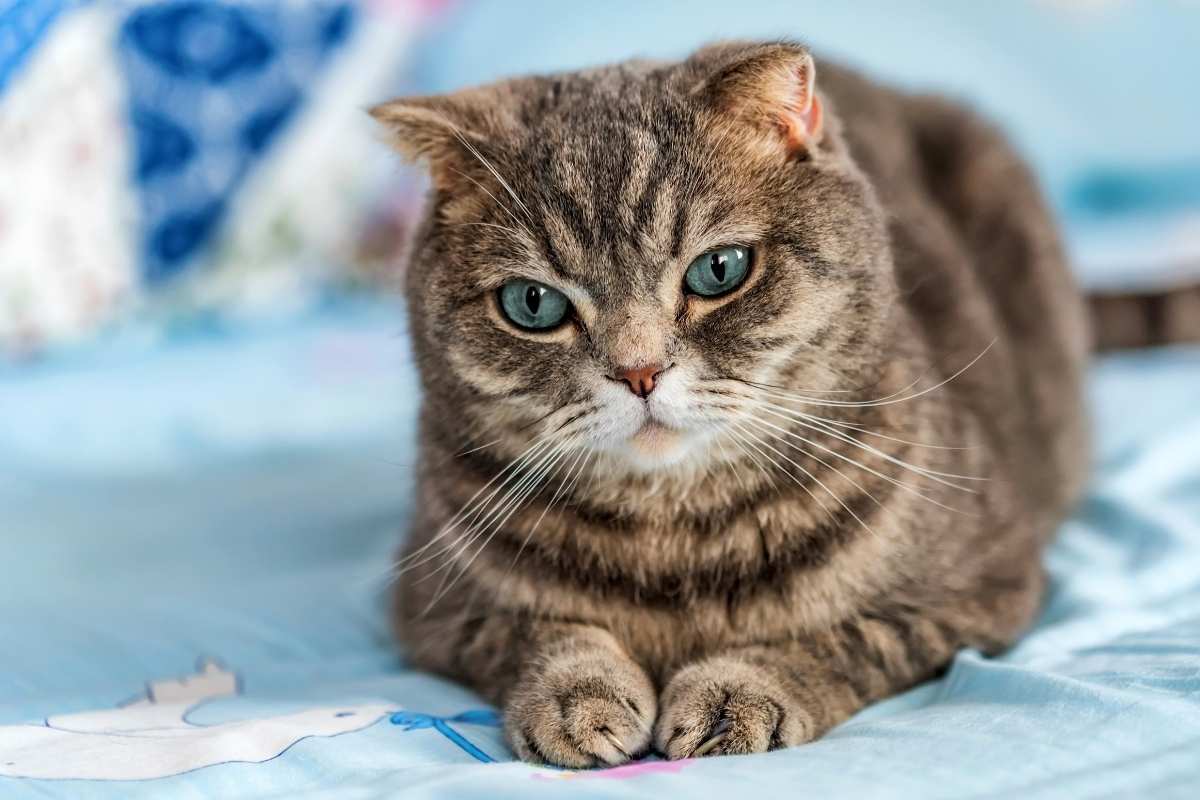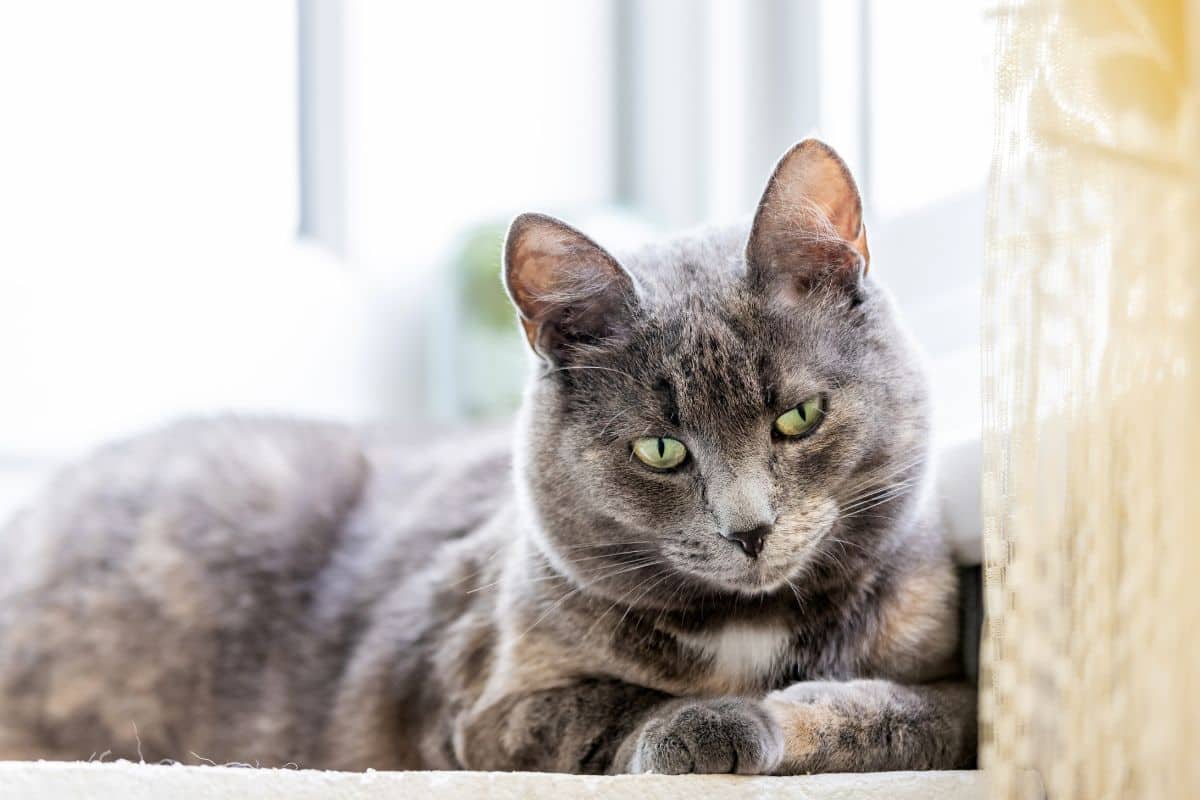
Your cat may be experiencing pain without crying, limping, or showing obvious distress. Cats instinctively conceal discomfort, making it difficult for owners to recognize health problems. A cat that once jumped onto furniture may suddenly prefer staying on the floor. Another may stop grooming, avoid affection, or spend more time hiding.
These small behavioral changes can indicate underlying conditions that require medical attention. Recognizing discomfort early allows cats to receive appropriate treatment before their quality of life declines. For cat owners in New Orleans, understanding these warning signs can help protect their feline companions.
This guide explains how cats hide pain, which symptoms warrant attention, and how a trusted veterinarian can identify the cause through professional evaluations.
Why Do Cats Hide Pain Instead of Showing It?
Cats naturally conceal signs of physical weakness. This instinct developed because vulnerable animals face greater risks in the wild. Even indoor cats retain behaviors that make discomfort difficult to recognize.
Unlike some animals, cats rarely communicate pain through obvious vocalizations. Instead, they adjust their activities to avoid movements that hurt.
A cat with arthritis may stop climbing stairs rather than limp. Similarly, a cat with dental disease might continue eating despite significant oral discomfort.
These changes often develop gradually. Owners may mistakenly associate reduced activity with aging rather than an underlying medical problem.
8 Subtle Signs Your Cat May Be Hiding Pain
Understanding your cat’s normal behavior makes unusual changes easier to recognize. The following signs may indicate discomfort that deserves veterinary attention.
1. Your Cat Stops Jumping Onto Furniture
Cats experiencing joint or muscle pain may avoid jumping onto beds, counters, or windowsills.
You might notice:
- Hesitation before jumping.
- Difficulty climbing stairs.
- Avoidance of elevated resting areas.
- Stiffness after sleeping.
- Using furniture as steps to reach higher surfaces.
These behaviors can indicate arthritis, injuries, or other musculoskeletal problems.
Even younger cats can experience joint discomfort. Persistent changes in movement should be evaluated rather than dismissed as normal aging.
2. Your Cat Hides More Than Usual
A normally affectionate cat may suddenly become withdrawn or avoid family members. Some cats retreat beneath beds, inside closets, or behind furniture when uncomfortable.
Other changes include reduced interest in toys, avoiding other pets, or becoming unusually quiet. Although occasional solitude is normal, persistent withdrawal may indicate pain, stress, or illness. Pay attention when hiding occurs alongside appetite changes, reduced activity, or unusual sleeping habits.
3. Your Cat’s Grooming Habits Change
Cats regularly groom themselves, so changes in coat maintenance can reveal physical discomfort. A cat with painful joints may struggle to reach its lower back or hindquarters.
Possible warning signs include:
- Matted or greasy fur.
- Reduced grooming around the back legs.
- Excessive licking of one area.
- Hair loss from repeated licking.
- Difficulty reaching certain body parts.
Grooming changes can also result from skin conditions, parasites, or stress. A physical examination helps determine whether pain or another medical concern is responsible.
4. Your Cat Eats Differently
Dental pain frequently goes unnoticed because many cats continue eating despite oral disease. However, subtle changes in eating behavior may reveal discomfort.
Watch for:
- Dropping food while chewing.
- Preferring soft food.
- Chewing on one side.
- Eating smaller portions.
- Approaching food but refusing to eat.
Tooth resorption, periodontal disease, and fractured teeth can cause considerable discomfort. Reduced appetite may also indicate other illnesses. Contact your veterinary clinic promptly if your cat stops eating.
5. Your Cat Becomes Irritable When Touched
Sudden aggression or sensitivity during handling may indicate physical pain. A cat with back discomfort might resist being picked up. Another may hiss when someone touches its abdomen.
Some cats become restless during petting or avoid physical contact altogether. These reactions should not automatically be considered behavioral problems. If your cat’s personality changes unexpectedly, a veterinarian can assess whether pain or illness is contributing to the behavior.
6. Your Cat Changes Its Sleeping Position
Cats naturally sleep in various positions, but persistent changes in posture may indicate discomfort.
A painful cat might sit hunched with its head lowered or keep its body unusually tense.
Additional signs include:
- Difficulty settling comfortably.
- Frequent repositioning.
- Reduced stretching.
- Squinting while resting.
- Sleeping in unfamiliar locations.
Posture alone cannot confirm pain. However, several changes occurring together may suggest an underlying problem.
7. Your Cat Develops Litter Box Problems
Changes in litter box habits sometimes indicate physical discomfort rather than behavioral issues. Cats with arthritis may struggle to enter high-sided boxes. Others experience pain while urinating or defecating.
Warning signs include:
- Urinating outside the litter box.
- Straining during urination.
- Crying while using the box.
- Repeated unsuccessful bathroom attempts.
- Difficulty entering or leaving the box.
Important: Straining to urinate with little or no urine production requires immediate emergency care. Urinary blockage can become life-threatening, particularly in male cats.
8. Your Cat Becomes Less Playful
A noticeable decline in activity may indicate joint pain, injury, or another medical condition. Your cat might stop chasing toys, avoid running, or spend significantly more time resting.
Some cats continue playing but tire sooner than usual. Although activity naturally changes with age, persistent reductions should not automatically be considered normal.
What Health Conditions Commonly Cause Hidden Pain in Cats?
Several medical conditions can cause discomfort without producing obvious symptoms.
- Arthritis and joint disease: Painful joints can make jumping, climbing, grooming, and walking uncomfortable. Older cats are particularly susceptible, although younger cats can also develop joint problems.
- Dental disease: Tooth resorption, fractured teeth, and periodontal disease may cause persistent oral pain. Some dental abnormalities remain hidden beneath the gumline.
- Muscle injuries: Falls, accidents, and physical strain can cause discomfort that affects movement.
- Urinary conditions: Bladder inflammation, urinary stones, and urinary obstruction can cause significant pain and changes in bathroom habits.
- Digestive problems: Constipation and certain gastrointestinal disorders may cause abdominal discomfort, reduced appetite, or withdrawal.
Identifying the underlying condition is essential because these problems require different treatments.
How Do Our Vets Evaluate Pain in Cats?
Cats rarely communicate pain clearly, so identifying discomfort requires a thorough assessment. At our feline-only veterinary practice in New Orleans, our vets examine behavioral changes, medical history, and physical symptoms.
Behavioral and Medical History Assessment
Our vets begin by discussing changes in your cat’s daily activities. Questions may cover appetite, mobility, grooming, litter box habits, and social interactions. Videos showing unusual movements at home can provide additional information, particularly when symptoms are less noticeable during appointments.
Physical Examination
Our vets assess your cat’s posture, joints, muscles, mouth, and overall physical condition. They also observe responses to gentle handling and examine areas that may be uncomfortable. As cats sometimes conceal discomfort during examinations, additional testing may be necessary.
Diagnostic Testing
Depending on your cat’s symptoms, our veterinary practice may recommend:
- Bloodwork: Evaluates organ function and helps identify underlying illnesses.
- Urinalysis: Investigates urinary abnormalities and related health concerns.
- Digital X-rays: Examine bones, joints, and internal structures.
- Dental X-rays: Identify painful dental conditions beneath the gumline.
These diagnostic services help our vets investigate potential causes and determine appropriate next steps.
How Can Veterinary Pain Management Help Your Cat?
Once the underlying condition is identified, treatment focuses on relieving discomfort and addressing its cause. Our veterinary practice provides pain management services for cats experiencing acute or chronic discomfort.
Depending on the diagnosis, recommendations may include prescription medications, dental treatment, or management of underlying illnesses. Laser therapy may also be considered for certain conditions when clinically appropriate.
Treatment decisions depend on your cat’s age, medical history, symptoms, and overall health. Never administer human pain medications to cats without veterinary instructions. Common medications such as acetaminophen and ibuprofen can cause severe poisoning.
How Can You Make Your Cat More Comfortable at Home?
Small environmental changes can reduce unnecessary strain while your cat receives medical care.
Consider these adjustments:
- Accessible resting areas: Provide comfortable bedding without requiring jumping.
- Low-entry litter boxes: Make bathroom access easier for cats with mobility problems.
- Nearby essentials: Keep food, water, and litter boxes easily accessible.
- Gentle handling: Avoid lifting or touching areas that appear painful.
- Daily monitoring: Record changes in appetite, movement, grooming, and behavior.
These adjustments support comfort but cannot replace veterinary treatment.
Help Your Cat Return to a More Comfortable, Active Life
At The Cat Practice, our feline-only veterinary hospital in New Orleans provides examinations, diagnostic services, and pain management options. Our vets focus on identifying underlying health concerns and helping cats maintain comfortable, active lives.
If your cat has stopped jumping, become withdrawn, or started behaving differently, don’t wait for more obvious symptoms. Contact us to schedule an appointment. Visit our veterinary hospital and help your feline companion return to the activities they enjoy.
Frequently Asked Questions
1. Can cats experience pain while eating normally?
Ans: Yes. Cats with dental disease, arthritis, or other painful conditions may continue eating. Changes in chewing, appetite, or behavior can provide additional clues. Normal eating does not necessarily mean your cat is pain-free.
2. How can I distinguish aging from pain in my senior cat?
Ans: Reduced jumping, stiffness, grooming difficulties, and unusual withdrawal should not automatically be attributed to aging. These changes may indicate arthritis or another medical condition. A veterinary examination can help identify the cause.
3. Can cats purr when they are experiencing pain?
Ans: Yes. Cats sometimes purr when stressed, frightened, or uncomfortable. Purring alone cannot establish whether a cat is experiencing pain. Consider accompanying changes in posture, appetite, movement, and behavior.
4. Where can I get my cat evaluated for hidden pain in New Orleans?
Ans: The Cat Practice provides feline-focused veterinary examinations in New Orleans. Our vets assess changes in behavior, mobility, appetite, and physical condition. Diagnostic testing may be recommended to investigate underlying causes and guide treatment.
5. Does The Cat Practice provide arthritis pain management for cats in New Orleans?
Ans: Yes. The Cat Practice offers feline pain management services, including prescription medications and laser therapy when appropriate. Our vets evaluate each cat’s condition before recommending treatment to improve comfort and support mobility.
6. Can The Cat Practice identify dental pain in cats?
Ans: Yes. The Cat Practice offers dental examinations and dental radiography in New Orleans. Our vets can investigate tooth resorption, fractures, and periodontal disease. Dental X-rays help identify painful conditions that may not be visible during a routine oral examination.
Related Articles