
Cats are known for being excellent groomers, but even the cleanest feline can still experience ear problems. Ear wax buildup, debris, allergies, ear mites, and infections can all affect your cat’s comfort and health. Many cat owners wonder how often they should clean their cat’s ears and whether regular cleaning is truly necessary.
The answer depends on your cat’s age, breed, lifestyle, and overall health. Some cats rarely need ear cleaning, while others benefit from routine care to prevent infections and irritation. Understanding the signs of healthy ears and knowing when to seek veterinary care can help keep your cat comfortable and healthy.
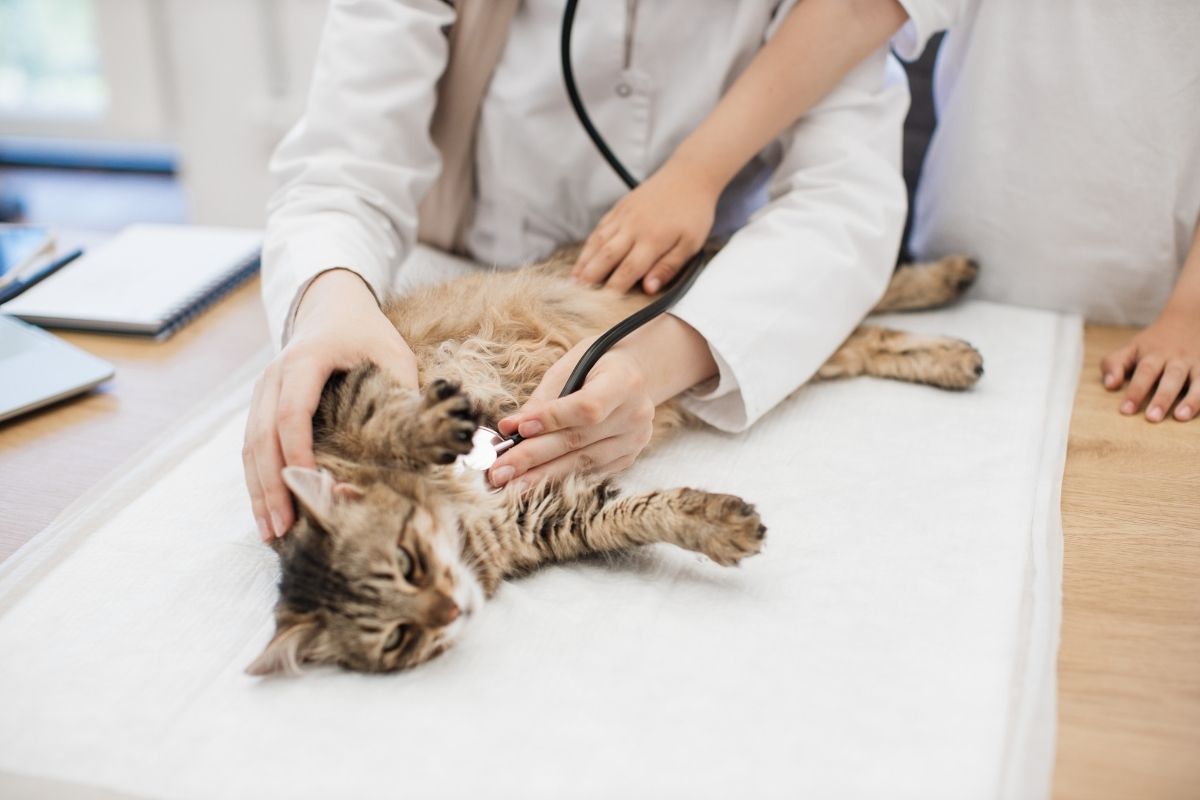
At The Cat Practice in New Orleans, our feline-focused veterinary team helps pet owners maintain their cats’ health through preventive care, including ear health evaluations during every cat wellness exam in New Orleans visit.
Why Ear Health Matters in Cats
Your cat’s ears are sensitive and complex structures that play an important role in balance, hearing, and communication. When ears become dirty or infected, cats may experience discomfort, itching, inflammation, and even hearing issues.
Common ear problems in cats include:
- Ear mites
- Wax buildup
- Bacterial infections
- Yeast infections
- Allergies
- Polyps or growths
- Foreign debris inside the ear canal
Without treatment, minor ear irritation can quickly progress into painful infections that affect your cat’s quality of life.
How Often Should You Clean Your Cat’s Ears?
Most healthy cats do not require frequent ear cleaning. In general:
- Cats with healthy ears may only need occasional checks and minimal cleaning.
- Cats prone to wax buildup or allergies may benefit from monthly cleanings.
- Cats with chronic ear issues may require a veterinarian-recommended cleaning schedule.
Overcleaning can irritate the ear canal and disrupt the natural balance inside the ear, so it is important not to clean your cat’s ears unnecessarily.
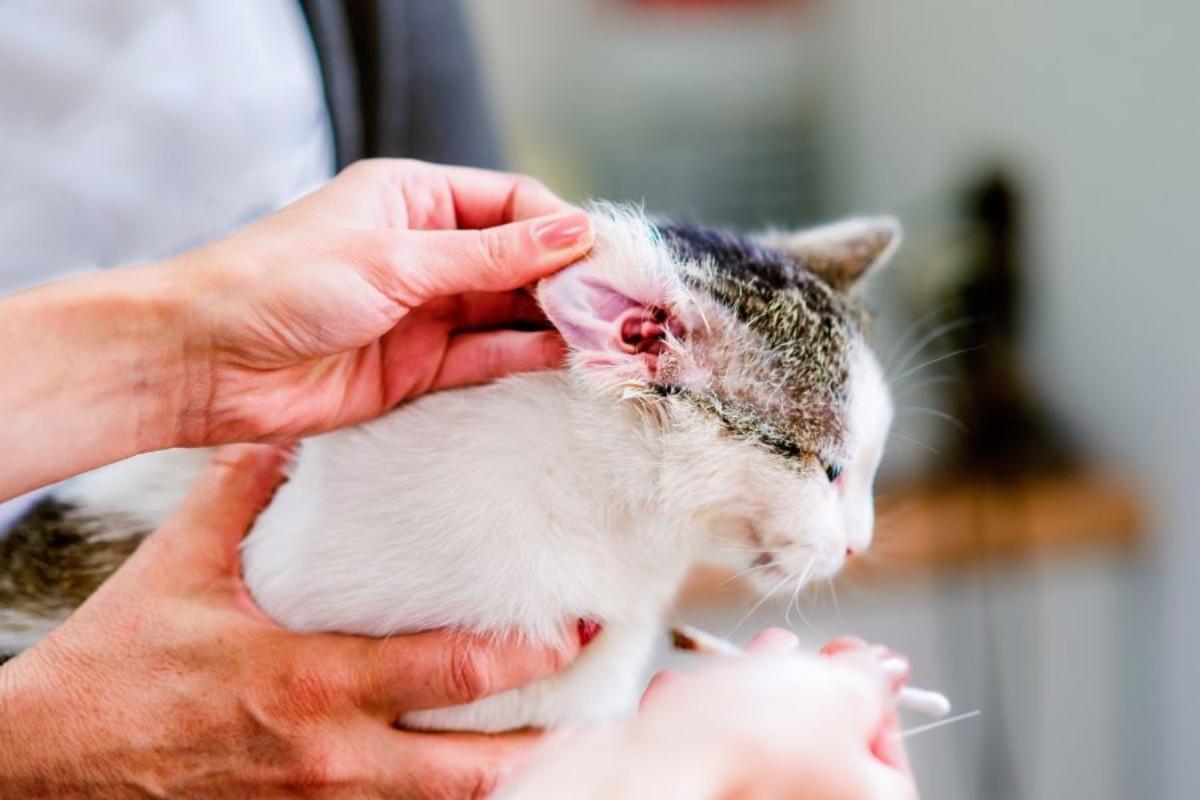
A good rule of thumb is to inspect your cat’s ears every one to two weeks. If the ears appear clean, pale pink, and odor-free, cleaning may not be needed.
Signs Your Cat’s Ears May Need Cleaning
Healthy cat ears should look clean with minimal wax and no foul odor. If you notice any of the following signs, your cat may need ear care or a veterinary examination:
Excessive Wax Buildup
Dark brown or black debris may indicate wax accumulation or ear mites.
Head Shaking
Frequent head shaking can signal irritation or infection.
Scratching Around the Ears
Persistent scratching may indicate allergies, mites, or inflammation.
Redness or Swelling
Inflamed ears are often a sign of infection.
Unpleasant Odor
A strong smell coming from the ears may indicate bacterial or yeast overgrowth.
Sensitivity or Pain
Cats who cry, pull away, or resist touching around the ears may be experiencing discomfort.
If your cat shows any of these symptoms, it is best to consult a new orleans veterinarian before attempting home treatment.
Which Cats Need More Frequent Ear Cleaning?
Certain cats are more likely to experience ear problems and may require more regular monitoring.
Cats With Allergies
Food or environmental allergies can cause inflammation inside the ears.
Senior Cats
Older cats may have difficulty grooming themselves effectively.
Cats With Chronic Ear Infections
Some cats are predisposed to recurring infections and require ongoing care.
Hairless Breeds
Breeds like the Sphynx often produce more oil and ear wax.
Outdoor Cats
Outdoor cats may be exposed to dirt, parasites, and debris that affect ear health.
Routine wellness visits help veterinarians detect these issues early and recommend appropriate care plans.
How to Safely Clean Your Cat’s Ears at Home
If your veterinarian recommends home ear cleaning, follow these basic steps carefully.
Gather Supplies
You will need:
- A veterinarian-approved ear cleaner
- Cotton balls or gauze
- Treats for positive reinforcement
Avoid cotton swabs, as they can push debris deeper into the ear canal and cause injury.
Choose a Calm Environment
Pick a quiet room where your cat feels comfortable.
Apply Ear Cleaner
Gently lift the ear flap and place the recommended amount of cleaner into the ear canal.
Massage the Base of the Ear
Massage gently for several seconds to loosen debris.
Wipe Away Debris
Use a cotton ball or gauze to remove visible wax and dirt from the outer ear.
Reward Your Cat
Offer treats and praise to create a positive experience.
Never force cleaning if your cat becomes stressed or aggressive. A veterinary team can safely perform professional ear cleanings if needed.
When You Should Avoid Cleaning Your Cat’s Ears
There are situations where ear cleaning should only be performed by a veterinarian.
Avoid home cleaning if you notice:
- Bleeding
- Severe swelling
- Open wounds
- Pus or discharge
- Strong odor
- Loss of balance
- Extreme pain
These symptoms may indicate serious infections or ruptured eardrums that require medical treatment.
Can Ear Cleaning Prevent Infections?
Routine ear monitoring and proper cleaning can help reduce the risk of infections in some cats. However, underlying issues such as allergies or parasites often need veterinary treatment as well.
Preventive care is one of the best ways to protect your cat’s ears and overall health. During a cat wellness exam in New Orleans appointment, veterinarians examine the ears for signs of infection, inflammation, mites, and other concerns before they become severe.
Why Professional Veterinary Exams Matter
Even attentive pet owners may miss subtle signs of ear disease. Cats are experts at hiding discomfort, and many ear conditions worsen gradually over time.
Professional veterinary evaluations can identify:
- Early infections
- Ear mites
- Allergies
- Polyps or tumors
- Hearing problems
- Chronic inflammation
Your veterinarian may also recommend diagnostic testing, ear cytology, or prescription medications when needed.
Why Pet Owners Should Choose Us for Their Cats
Choosing a feline-exclusive veterinary hospital offers several advantages for both cats and their owners. At The Cat Practice, cats receive compassionate care in a calm environment designed specifically for feline comfort.
Pet owners throughout New Orleans trust The Cat Practice because we provide:
Cat-Focused Veterinary Expertise
Our team understands the unique health and behavioral needs of cats.
Low-Stress Environment
A quieter, feline-centered atmosphere helps reduce anxiety during visits.
Preventive Wellness Care
We emphasize early detection and preventive medicine to support lifelong health.
Personalized Treatment Plans
Every cat receives individualized care based on age, lifestyle, and medical history.
Comprehensive Diagnostic Services
From ear infections to chronic conditions, we offer advanced diagnostic and treatment options.
Whether your cat needs routine preventive care or treatment for an ear condition, our experienced team is here to help support your pet’s long-term wellness.
Tips for Maintaining Healthy Cat Ears
Keeping your cat’s ears healthy involves more than cleaning alone.
Schedule Regular Wellness Exams
Routine veterinary visits help identify problems early.
Watch for Behavioral Changes
Pay attention to scratching, head shaking, or sensitivity.
Keep Parasite Prevention Current
Preventive medications can help protect against ear mites and other parasites.
Use Only Vet-Approved Products
Avoid homemade cleaners or harsh chemicals.
Avoid Overcleaning
Too much cleaning may irritate healthy ears.
The Importance of Preventive Cat Care
Ear health is just one part of your cat’s overall wellness. Preventive veterinary care helps cats live longer, healthier lives by identifying issues before they become serious.
Routine wellness exams often include:
- Physical examinations
- Ear evaluations
- Dental assessments
- Weight monitoring
- Parasite screenings
- Vaccination updates
Regular visits with a trusted New Orleans veterinarian can help ensure your cat receives the care needed at every stage of life.
If you have concerns about your cat’s ears or overall health, book an appointment with The Cat Practice in New Orleans to provide your feline companion with expert, compassionate veterinary care.
FAQs
1. How do I know if my cat’s ears are dirty?
Ans: Dirty ears may contain dark wax, debris, redness, or have an unpleasant odor. Excessive scratching and head shaking are also common signs.
2. Can I use human ear cleaners on my cat?
Ans: No. Human ear cleaning products may irritate your cat’s sensitive ears. Always use veterinarian-approved solutions.
3. How often should indoor cats have their ears checked?
Ans: Even indoor cats should have their ears checked every one to two weeks for signs of wax buildup or irritation.
4. Are ear mites common in cats?
Ans: Yes. Ear mites are especially common in kittens and outdoor cats and can spread between pets.
5. Why does my cat hate ear cleaning?
Ans: Cats may dislike ear cleaning because their ears are sensitive. Gentle handling and positive reinforcement can help reduce stress.
6. Should I clean my cat’s ears before a veterinary appointment?
Ans: It is usually best to let your veterinarian examine the ears first, especially if infection or irritation is suspected.