
As your feline companion enters their golden years, their needs begin to change. While aging is natural, it doesn’t mean your cat can’t continue living a happy, comfortable life. With the right approach to senior cat care, you can support their health, mobility, and overall well-being for years to come.
Senior cats may sleep more, move slower, and show subtle changes in behavior. However, with proactive care and attention, these changes can be managed effectively to maintain a high quality of life.
Understanding the Aging Process in Cats
As cats age, their metabolism slows and muscle mass gradually decreases. In addition, vital organs such as the kidneys, heart, and thyroid may not function as efficiently as before.
Because cats are experts at hiding discomfort, early signs of health issues can go unnoticed. Conditions like arthritis, dental disease, kidney problems, and diabetes are common in older cats. Recognizing small changes—like reduced appetite, altered grooming habits, or litter box issues—can make a significant difference in early diagnosis and treatment.
Focus on Proper Nutrition
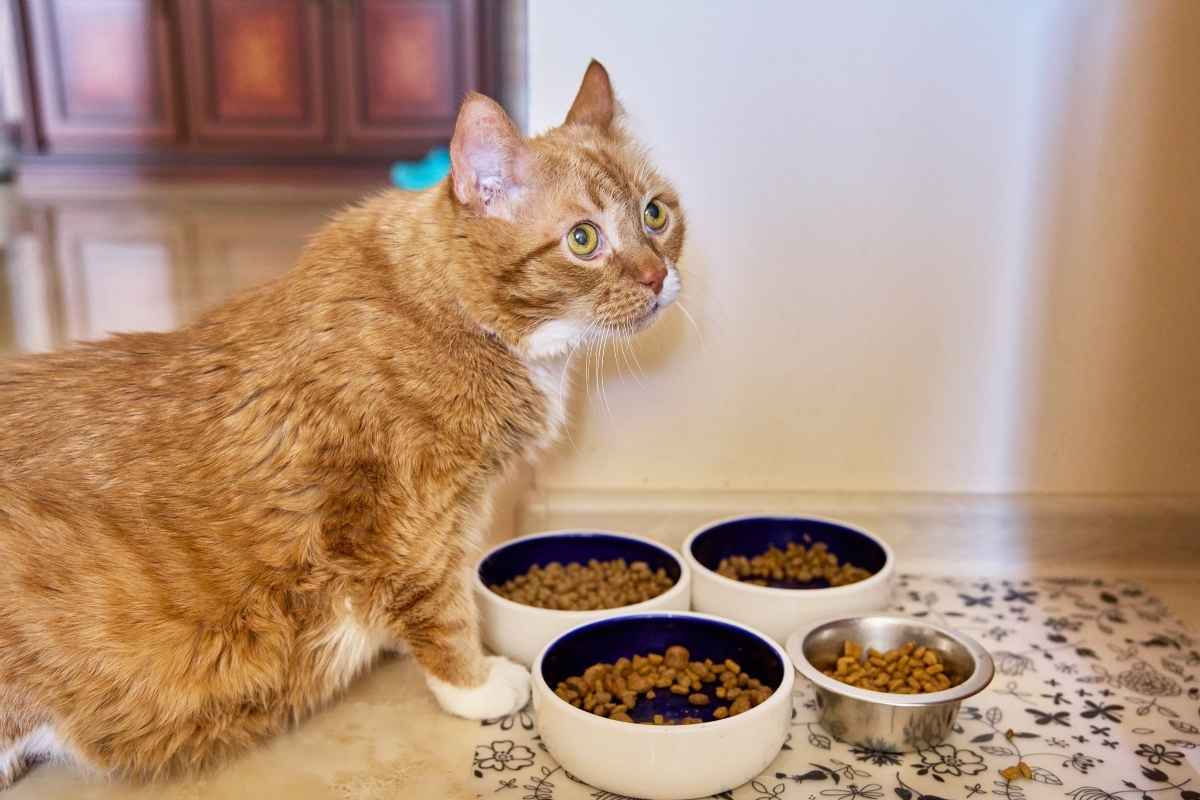
Nutrition is one of the most important aspects of senior cat care. Older cats require fewer calories but still need high-quality protein to maintain muscle strength.
Look for senior-formulated cat food that includes:
- Easily digestible protein sources
- Omega-3 fatty acids for joint support
- Controlled phosphorus for kidney health
- Antioxidants to strengthen immunity
If your cat has dental sensitivity, softer foods or a mix of wet and dry options can make eating easier. Always consult your veterinarian before making dietary changes.
Encourage Gentle Activity
Even though senior cats may not be as active as they once were, regular movement is still essential. Light exercise helps maintain joint flexibility, improves circulation, and supports mental health.
You can encourage activity by:
- Scheduling short daily play sessions
- Using soft toys or feather wands
- Adding ramps or steps to favorite resting spots
Consistent, gentle movement helps reduce stiffness and keeps your cat engaged.
Support Joint Health and Comfort
Arthritis is common in aging cats and often develops gradually. You may notice your cat hesitating to jump or avoiding certain movements.
To improve comfort:
- Provide soft, supportive bedding
- Keep resting areas warm and accessible
- Place food, water, and litter boxes within easy reach
Your veterinarian may recommend supplements or medications to support joint health and reduce inflammation.
Maintain a Healthy Weight
Weight management is critical for senior cats. Extra weight can strain joints, while sudden weight loss may indicate underlying health concerns.
Offer smaller, more frequent meals to support digestion and maintain energy levels. Monitoring your cat’s weight regularly is a key part of effective senior cat care.
Prioritize Dental Health
Dental disease can cause significant discomfort in older cats. Signs like bad breath, drooling, or difficulty eating should not be ignored.
To support oral health:
- Brush your cat’s teeth with feline-safe toothpaste
- Offer dental treats when appropriate
- Schedule professional dental cleanings
Good dental care helps prevent infections and supports overall health.
Keep Your Cat Mentally Stimulated
Mental enrichment is just as important as physical health. As cats age, cognitive changes may occur, but stimulation can help keep their minds sharp.
Try:
- Rotating toys to keep things interesting
- Providing window perches for entertainment
- Using puzzle feeders for interactive play
Maintaining a consistent daily routine also helps reduce stress and anxiety.
Make the Home Senior-Friendly
Simple adjustments can greatly improve your cat’s comfort at home.
- Use low-entry litter boxes
- Keep essentials on one level
- Avoid frequently moving familiar items
These changes reduce strain and help your cat feel secure.
Schedule Regular Veterinary Checkups
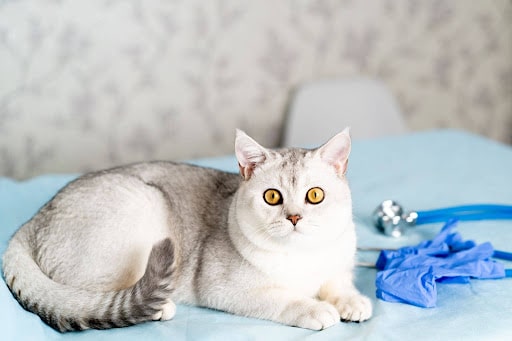
Routine veterinary visits are essential for aging cats. Most senior cats benefit from checkups every six months.
These visits may include:
- Bloodwork to monitor organ function
- Urinalysis for kidney health
- Thyroid testing
- Blood pressure checks
Early detection allows for better treatment outcomes and improved quality of life.
If you want personalized guidance and compassionate care, book an appointment with The Cat Practice to ensure your senior cat receives the attention they deserve.
Watch for Behavioral Changes
Behavioral shifts often signal underlying health issues. Increased vocalization, confusion, hiding, or changes in sleep patterns should not be overlooked.
Rather than assuming these are normal signs of aging, consult your veterinarian to rule out medical concerns.
Supporting Your Cat Through Their Golden Years
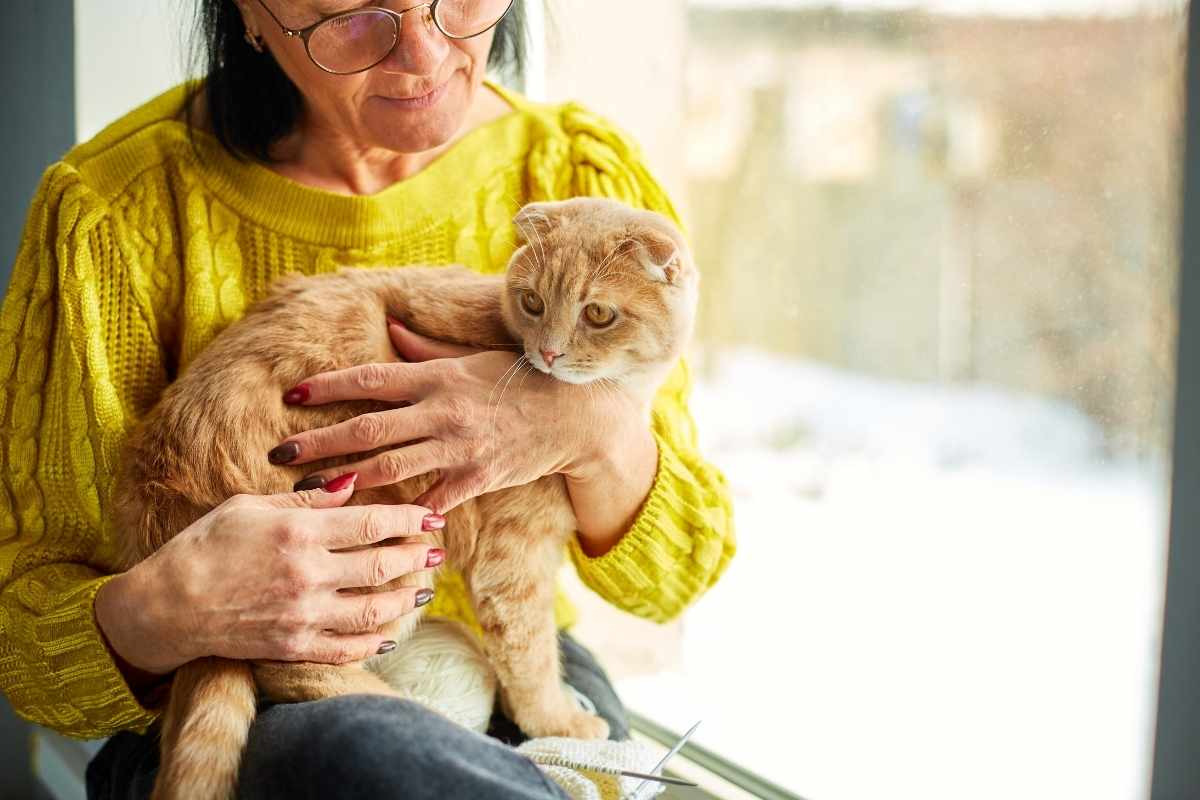
Caring for a senior cat is both a responsibility and a rewarding experience. Older cats often become more affectionate and form deeper bonds with their owners.
By focusing on nutrition, mobility, dental health, and routine veterinary care, you can help your feline companion enjoy a comfortable and fulfilling life.
With the right approach to senior cat care, your cat can continue to thrive well into their later years.
FAQs
Q1. What age is considered senior for cats?
Most cats are considered senior between 7–10 years of age, although this can vary depending on breed and health.
Q2. How often should senior cats visit the vet?
Senior cats should have veterinary checkups every six months to monitor for age-related conditions.
Q3. What are common signs of aging in cats?
Signs include increased sleeping, reduced mobility, weight changes, and subtle behavioral differences.
Q4. Should I switch to senior cat food?
Yes, senior-formulated diets are designed to support aging bodies. Always consult your vet before switching.
Q5. How can I help my cat with arthritis?
Provide soft bedding, easy access to essentials, and consult your vet about joint supplements or treatments.
Q6. Can senior cats still stay active?
Absolutely. Gentle play and regular movement help maintain both physical and mental health.