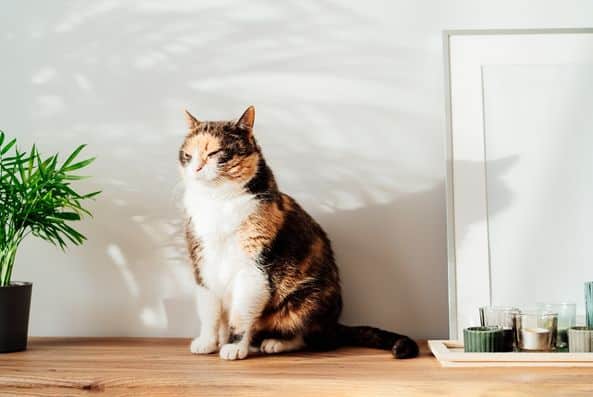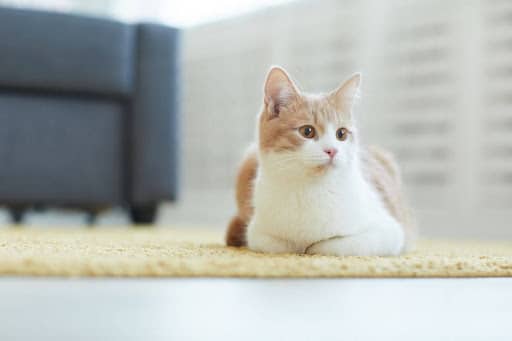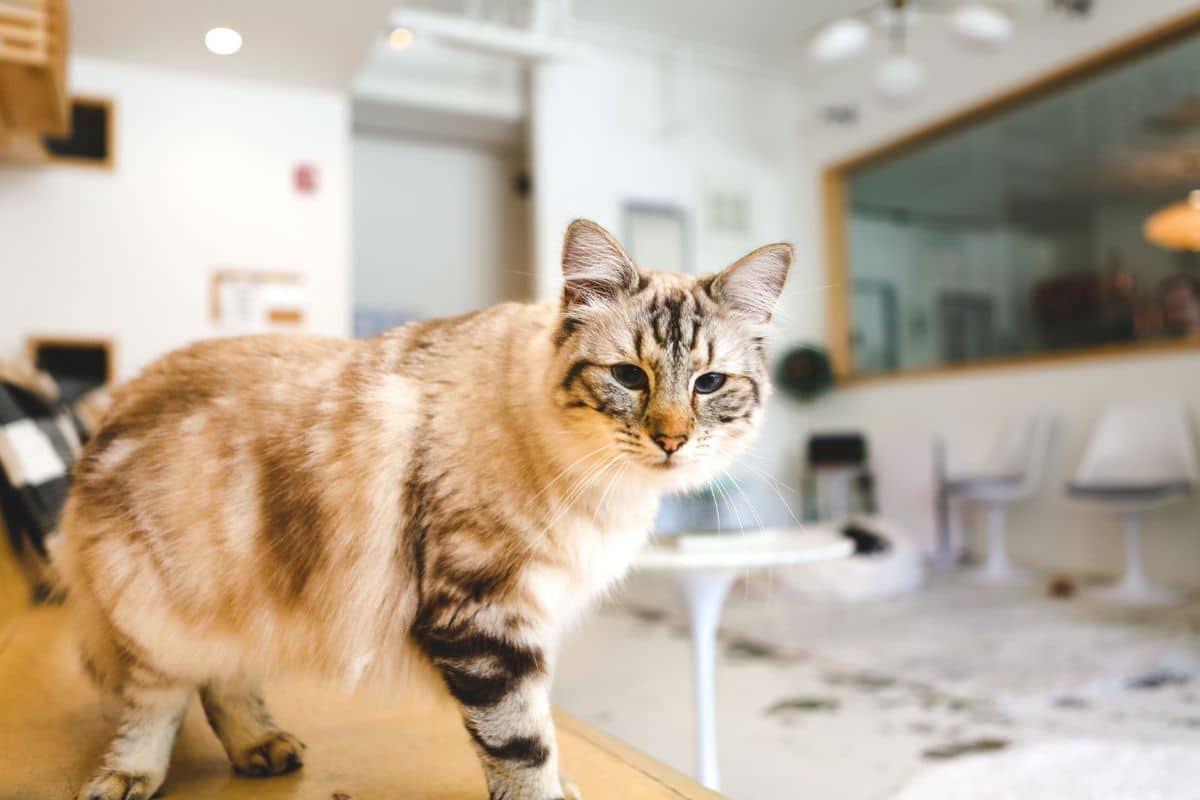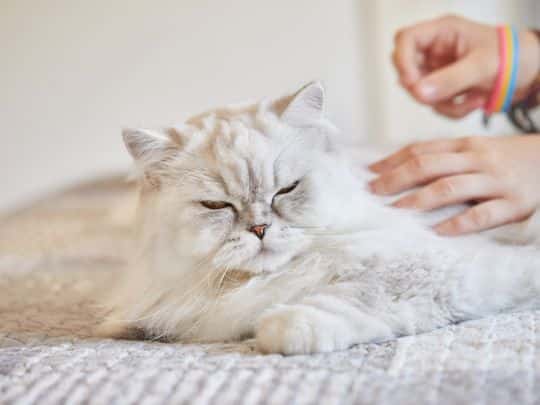
Watching your cat peacefully sleep can be comforting. However, hours of napping may sometimes leave you wondering whether everything is normal. Cats naturally spend a significant portion of each day sleeping. Their age, health, environment, and activity level can all influence their sleeping patterns.
Understanding cat sleep behavior helps you recognize what is normal for your feline companion. It can also help you notice subtle changes that deserve veterinary attention. At The Cat Practice, we understand how closely families watch changes in their cats. Knowing your cat’s usual routine can provide valuable clues about their health.
How Much Sleep Is Normal for a Cat?
Most adult cats sleep about 12 to 16 hours each day. Some kittens may sleep up to 20 hours daily. However, there is no single ideal number for every cat. Age, personality, daily stimulation, health, and household routines can influence sleeping time.
Cats also rarely sleep continuously for those hours. They usually alternate between short naps, deeper sleep, eating, grooming, playing, and exploring. Therefore, frequent naps throughout the day are usually normal. What matters most is whether your cat’s routine suddenly changes.
Why Do Cats Naturally Sleep So Much?
Cats evolved as hunters, even though today’s house cats may never need to hunt for food. Hunting requires intense bursts of physical and mental energy. Rest allows cats to conserve energy between periods of activity.
This instinct remains strong in domestic cats. Your cat may sleep peacefully before suddenly racing through the house or chasing a toy. Cats are also generally crepuscular. This means they naturally tend to become more active around dawn and dusk.
Your cat may consequently nap while your household is active. They may become energetic during early morning or evening hours.
Do Cats Experience Different Stages of Sleep?
A sleeping cat is not always deeply asleep. Cats spend considerable time lightly dozing while remaining responsive to their surroundings. You might notice your cat’s ears moving toward sounds during a nap. Their eyes may also remain partially open.
During deeper sleep, your cat becomes more relaxed and less responsive. Cats also experience rapid eye movement, or REM, sleep. You may notice twitching paws, whisker movements, or tiny facial movements during this stage. These movements can occur during normal sleep.
Frequent short naps allow cats to rest while maintaining awareness of their environment. This pattern reflects instincts carried from their wild ancestors.
Does a Cat’s Age Affect Their Sleeping Habits?
Yes. Sleep requirements and patterns can change considerably throughout a cat’s life.
Kittens
Growing kittens require considerable energy for physical development. They may sleep for most of the day between meals and energetic play sessions.
Adequate rest supports their growth and development. A sleepy kitten is not necessarily a cause for concern.
Adult Cats
Healthy adult cats often establish predictable sleeping patterns. Their schedules may gradually adapt to feeding, playtime, and their family’s routine.
Providing regular enrichment can encourage healthy periods of activity between naps.
Senior Cats
Older cats often spend more time resting than younger adults. Reduced activity and age-related physical changes may contribute to longer sleeping periods.
However, major sleep changes should not automatically be blamed on aging.
At our veterinary practice, we consider changes in sleeping and activity patterns during senior examinations. These changes can provide important information about an older cat’s health.
When Does Excessive Sleeping Become Concerning?
The total number of sleeping hours provides only part of the picture. A noticeable departure from your cat’s established routine deserves greater attention.
For example, contact your veterinarian if increased sleeping occurs alongside:
- Reduced appetite or noticeable weight changes
- Difficulty jumping, walking, or climbing
- Increased hiding or reduced social interaction
- Changes in drinking or urination
- Vomiting or diarrhea
- Unusual vocalization or confusion
- Reduced grooming or an unkempt coat
- Breathing changes or apparent weakness
Cats can be remarkably subtle when experiencing illness or discomfort. Small behavioral changes may sometimes appear before more obvious physical signs.
Monitoring cat sleep behavior can therefore become an important part of observing your cat’s overall well-being.
Why Might a Senior Cat Suddenly Sleep More?
Some additional rest can occur naturally as cats age. However, excessive sleeping can sometimes accompany underlying health concerns. Senior cats have greater risks for several age-related conditions. These include arthritis, hypertension, organ dysfunction, and cognitive changes.
Pain can also make a cat less willing to move. A cat with uncomfortable joints may choose sleeping instead of jumping or playing. Our evaluations consider lifestyle, appetite, mobility, bathroom habits, behavior, and activity changes.
Depending on individual needs, bloodwork, urinalysis, blood pressure measurements, or diagnostic imaging may also be recommended. These evaluations can help distinguish normal aging from changes requiring additional attention.
How Can You Support Healthy Sleep at Home?
Quality sleep is important, but cats also need movement, stimulation, security, and opportunities to express natural behaviors. Provide several comfortable sleeping locations throughout your home. Cats often appreciate quiet spaces where they can rest without frequent interruptions.
Offer vertical spaces, scratching surfaces, interactive toys, and opportunities to explore safely. Short play sessions can encourage movement without overwhelming your cat. Try scheduling interactive play around morning and evening periods. These times often correspond with a cat’s naturally higher activity levels.
Maintain consistent feeding and household routines whenever possible. Predictability can help many cats feel secure within their environment. Regular veterinary visits are another essential part of responsible cat care. Routine examinations can identify subtle health changes before they become more noticeable.
Why Does My Cat Sleep in Strange Places?
Cats often choose sleeping locations based on warmth, security, comfort, and their ability to observe their surroundings. A cardboard box may seem uncomfortable to you. Your cat may view that enclosed space as protected and cozy.
Elevated shelves and cat trees can offer another sense of security. They allow cats to rest while observing their environment from above. Sleeping near you can also reflect comfort and familiarity. Your scent, warmth, and presence may make that location particularly appealing.
Pay attention if your cat suddenly abandons favorite sleeping areas. An unexplained change may provide another clue about comfort, mobility, or health.
Help Your Cat Enjoy Healthy Rest at Every Life Stage
Sleeping for much of the day is usually a normal part of feline life. Your cat’s individual pattern provides the most useful point of comparison. Changes in sleep become more important when accompanied by changes in appetite, mobility, grooming, behavior, or litter box habits.
At The Cat Practice, we provide feline-focused veterinary services in New Orleans. Our team understands the unique medical and behavioral needs cats experience throughout life.
If your cat’s sleeping habits have noticeably changed, schedule a veterinary visit today. Thoughtful cat care can protect their comfort and health through every life stage.
Frequently Asked Questions
1. Is it normal for my cat to sleep all day?
Ans: Many cats sleep between 12 and 16 hours daily. Kittens and older cats may sleep even longer. Consider your cat’s usual routine and overall health.
2. Why is my cat sleeping more than usual?
Ans: Extra sleep can follow increased activity or changes in routine. However, persistent increases can sometimes accompany pain, illness, stress, or reduced stimulation.
3. Do cats sleep more as they get older?
Ans: Many senior cats rest more because their activity levels decline. Significant changes should still be discussed with your veterinarian.
4. Why does my cat sleep during the day and become active at night?
Ans: Cats are generally most active around dawn and dusk. Their natural activity cycle can explain daytime naps and early morning energy.
5. Should I wake my cat if they sleep too much?
Ans: Healthy cats should generally be allowed to rest. Instead of repeatedly waking them, provide engaging play opportunities during their naturally active periods.
6. Can boredom cause my cat to sleep more?
Ans: Yes. Cats without enough physical activity or mental stimulation may spend additional time resting. Interactive toys, climbing areas, and play sessions can provide enrichment.
7. When should I contact a veterinarian about my cat’s sleeping habits?
Ans: Seek veterinary guidance when sleep changes suddenly or occur with other symptoms. Appetite changes, weakness, hiding, mobility problems, or altered litter habits deserve attention.