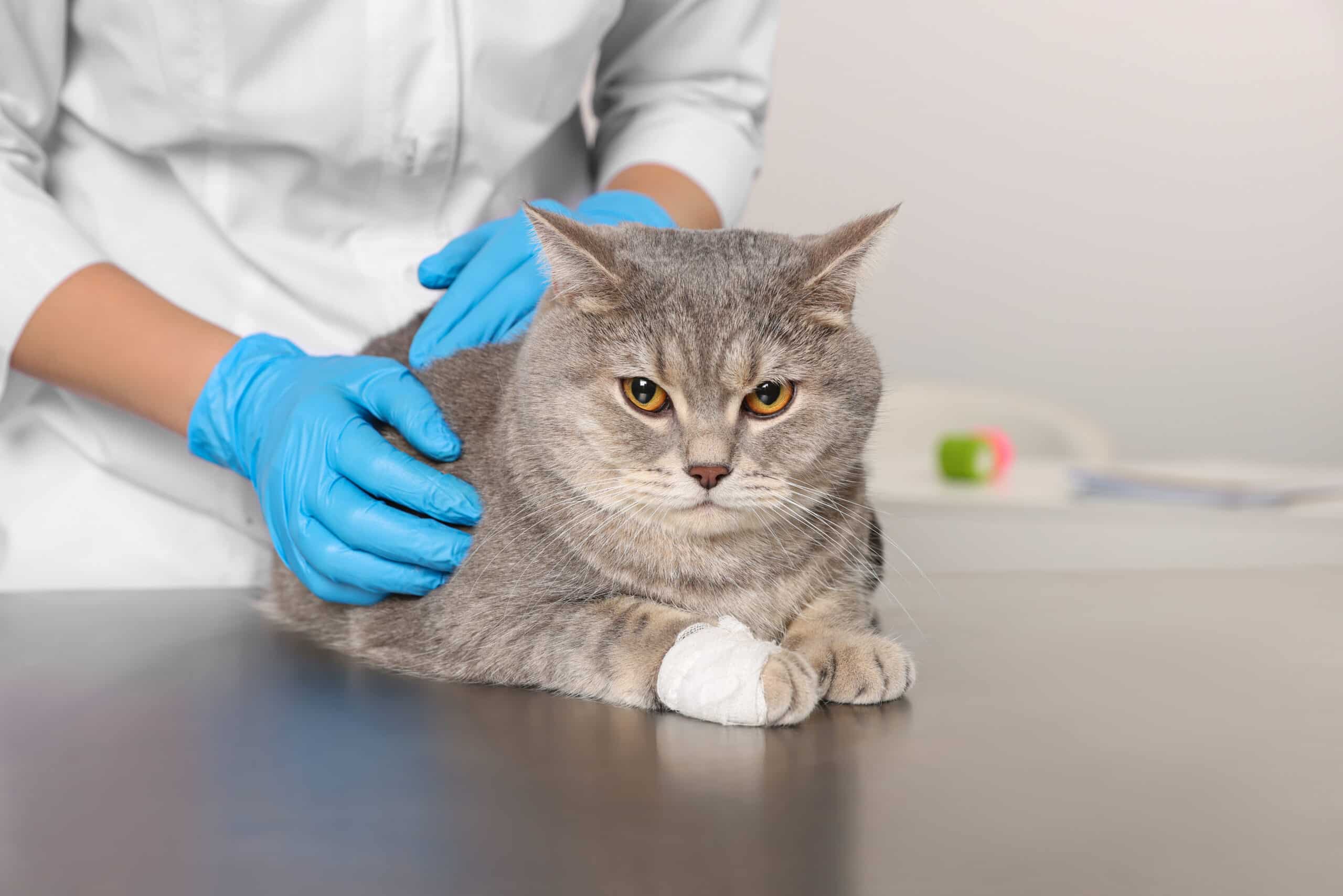

Cats are naturally curious, agile, and independent, but even the most cautious feline can experience an unexpected injury. Whether your cat spends time indoors, outdoors, or enjoys supervised adventures, accidents can happen when you least expect them. Knowing when an injury requires prompt veterinary attention can make a significant difference in your cat’s comfort, recovery, and overall health.
If you’re looking for cat urgent care New Orleans, understanding the warning signs of common injuries can help you make informed decisions about your cat’s well-being. This guide explains the types of injuries that deserve prompt evaluation and how timely veterinary care supports a smoother recovery.
Why Prompt Veterinary Care Matters for Injured Cats
Cats instinctively hide pain and discomfort. Even when an injury appears minor, underlying damage may be more serious than it seems. Delaying treatment can allow conditions to worsen, leading to increased pain, infection, or longer recovery times.
A thorough examination by a veterinarian New Orleans can identify injuries that may not be visible from the outside and help determine the most appropriate treatment plan.
Common Pet Injuries That Need Prompt Veterinary Attention
Cuts, Lacerations, and Bleeding
Small scratches may heal without difficulty, but deeper cuts or wounds should never be ignored. Sharp objects, broken glass, fences, or encounters with other animals can leave injuries that require professional treatment.
Seek veterinary attention if you notice:
- Bleeding that does not stop after gentle pressure
- Deep or wide cuts
- Swelling around a wound
- Redness or discharge
- Signs of pain when the area is touched
Proper wound cleaning and treatment help reduce the risk of infection and support healthy healing.
Limping or Difficulty Walking
Cats are excellent at masking discomfort, making even subtle limping an important warning sign. A limp may result from:
- Sprains
- Soft tissue injuries
- Broken bones
- Joint injuries
- Paw injuries
If your cat refuses to bear weight on a leg or has difficulty jumping or climbing, prompt evaluation is recommended. Early diagnosis allows appropriate treatment before the condition becomes more complicated.
Bite Wounds and Scratches from Other Animals
Cats that interact with other animals may occasionally receive bites or deep scratches. While these wounds can appear small, bacteria introduced beneath the skin can quickly lead to painful infections.
Watch for signs such as:
- Swelling
- Warmth around the injury
- Pain when touched
- Lethargy
- Loss of appetite
Many bite wounds close quickly on the surface while infection develops underneath, making veterinary assessment especially important.
Injuries to the Eyes
Eye injuries should never be ignored because vision can be affected if treatment is delayed.
Possible signs include:
- Squinting
- Excessive tearing
- Pawing at the eye
- Cloudiness
- Visible redness
- Swelling around the eye
Even a small scratch on the eye’s surface can cause significant discomfort and requires professional evaluation.
Broken Nails and Paw Injuries
Cats depend on healthy paws for walking, climbing, and balance. Torn nails, cuts between the paw pads, or foreign objects lodged in the foot can make walking painful.
Signs include:
- Limping
- Excessive licking of the paw
- Bleeding around a nail
- Swollen toes
- Reluctance to walk
Because paw injuries are constantly exposed to dirt and debris, prompt care helps prevent complications during healing.
Tail Injuries
A cat’s tail contains bones, muscles, nerves, and blood vessels that all work together to support balance and communication. Tail injuries can occur after falls, getting caught in doors, or other accidents.
Warning signs include:
- A limp or hanging tail
- Pain when the tail is touched
- Swelling
- Difficulty lifting the tail
- Changes in posture
A veterinary examination helps determine whether the injury affects bones, muscles, or nerves.
Injuries After Falls
Cats have remarkable balance, but falls from furniture, balconies, or trees can still cause significant injuries.
Following a fall, your cat may appear normal initially while hidden injuries develop over time. Monitor for:
- Limping
- Reluctance to move
- Difficulty breathing
- Pain when handled
- Reduced appetite
- Hiding more than usual
Prompt evaluation allows internal injuries or fractures to be identified early.
Burns
Cats can experience burns from hot cooking surfaces, heating appliances, chemicals, or electrical sources.
Signs of burns may include:
- Red or blackened skin
- Hair loss
- Blisters
- Pain
- Swelling
Never apply home remedies without veterinary guidance. Burns often require professional cleaning and ongoing wound management.
Injuries Caused by Foreign Objects
Splinters, fishhooks, string, plant material, or other sharp objects can become lodged in your cat’s skin or paws.
Avoid attempting to remove deeply embedded objects yourself, as doing so may worsen the injury. Veterinary care ensures safe removal while minimizing additional tissue damage.
Signs That Your Cat Needs Prompt Veterinary Attention
Some injuries are obvious, while others produce more subtle symptoms. Contact a veterinary professional if your cat shows:
- Persistent bleeding
- Swelling
- Difficulty walking
- Sudden reluctance to jump
- Crying or vocalizing from pain
- Hiding more than usual
- Difficulty using a limb
- Visible wounds
- Eye discomfort
- Changes in normal behavior after an accident
Even when symptoms seem mild, professional evaluation provides peace of mind and helps prevent small injuries from becoming larger problems.
What You Can Do Before Visiting the Veterinary Hospital
While waiting to bring your cat in for evaluation, a few simple steps can help keep them comfortable.
- Keep your cat calm and confined to a quiet area.
- Avoid excessive handling if an injury is suspected.
- Apply gentle pressure to active bleeding using a clean cloth if it is safe to do so.
- Prevent your cat from licking or chewing injured areas whenever possible.
- Transport your cat in a secure carrier to reduce movement.
Avoid giving human pain medications, as many are unsafe for cats.
Preventing Common Cat Injuries
Although not every accident can be prevented, simple precautions can lower your cat’s risk of injury.
Helpful safety tips include:
- Remove sharp household hazards.
- Secure windows and balconies.
- Keep toxic chemicals safely stored.
- Trim nails regularly if recommended by your veterinarian.
- Provide sturdy cat trees and climbing areas.
- Supervise outdoor time whenever possible.
- Inspect your home for small objects that could cause injuries.
Creating a safe environment supports your cat’s long-term health while reducing the likelihood of unexpected accidents.
Choosing Quality Veterinary Care for Injured Cats
When your cat experiences an injury, timely evaluation by an experienced veterinary team helps ensure the best possible outcome. Clinics offering cat urgent care New Orleans can assess a wide range of injuries, recommend appropriate diagnostics when needed, and develop individualized treatment plans based on your cat’s condition.
Whether your cat has a limp, a wound, an eye injury, or another unexpected accident, receiving prompt veterinary attention helps protect their comfort and overall well-being.
Compassionate Care for Cats in New Orleans
When your cat needs prompt medical attention for an unexpected injury, choosing a feline-focused veterinary team can make all the difference. Schedule for an appointment if you notice concerning signs after an accident or injury. You can also call (504) 525-6369 to speak with the veterinary team.
At The Cat Practice, every cat receives individualized care in a calm, cat-friendly environment. If you’re searching for a trusted veterinarian New Orleans or reliable cat urgent care New Orleans, our experienced team is dedicated to helping your feline companion receive the attentive care they deserve.
Frequently Asked Questions
1. How can I tell if my cat’s injury is more serious than it looks?
Ans: Cats often hide pain, so even small wounds or mild limping can indicate a more significant injury. If symptoms persist, worsen, or your cat behaves differently after an accident, prompt veterinary evaluation is recommended.
2. Should I clean my cat’s wound at home?
Ans: You may gently remove visible debris around a minor wound with clean water, but deeper wounds, persistent bleeding, or punctures should be examined by a veterinarian to ensure proper treatment.
3. Can cats recover from soft tissue injuries?
Ans: Many soft tissue injuries improve with appropriate veterinary care, activity restriction, and follow-up monitoring. The recovery plan depends on the severity and location of the injury.
4. Why are bite wounds considered serious?
Ans: Even small bite wounds can introduce bacteria beneath the skin, leading to painful infections that may not become visible immediately. Veterinary care helps identify and treat these injuries early.
5. When should I bring my cat in for limping?
Ans: If your cat refuses to bear weight, has severe pain, or continues limping beyond a short period, it should be evaluated promptly to determine the underlying cause.
6. What should I do if my cat injures its paw?
Ans: Keep your cat from putting excessive pressure on the injured paw, avoid removing deeply embedded objects, and arrange a veterinary examination to identify the cause and appropriate treatment.