A cat’s skin and coat can reveal important clues about its overall health. While occasional shedding and minor dryness may be normal, sudden skin peeling is something pet owners should not overlook. If you notice flaky patches, exposed skin, redness, or areas where the outer layer of skin appears to be coming off, your cat may be experiencing an underlying skin condition that requires veterinary attention.
Skin peeling can develop for several reasons, including allergies, parasites, infections, and exposure to irritating substances. Some conditions cause mild discomfort, while others can lead to painful sores, inflammation, and secondary infections. Understanding these symptoms can help you decide when to seek urgent pet care and how to protect your cat’s skin until a veterinarian evaluates the problem.
What Does Sudden Skin Peeling in Cats Look Like?
Skin peeling occurs when the outer layer of a cat’s skin becomes dry, flaky, damaged, or begins separating from the underlying tissue. Depending on the cause, the affected area may appear scaly, crusty, red, or irritated.
Pet owners may notice several changes, including:
- White flakes or dry patches throughout the coat.
- Redness, swelling, or visible irritation.
- Scabs or crusty areas on the skin.
- Hair loss around affected patches.
- Excessive scratching, licking, or biting.
- Open sores, bleeding, or unusual skin discharge.
These symptoms can appear on the ears, face, neck, back, abdomen, or legs. Some cats may also become restless or avoid being touched around the affected areas. If these changes develop suddenly or continue spreading, arrange a veterinary examination rather than assuming the problem will resolve naturally.
Common Causes of Sudden Skin Peeling in Cats
Several health conditions and environmental factors can affect a cat’s skin. Identifying the underlying cause is essential because different skin problems require different treatments.
1. Allergic Reactions
Cats can develop skin reactions after exposure to environmental allergens, certain foods, or flea bites. Allergies may cause persistent itching, redness, inflammation, and excessive grooming. Repeated scratching can damage the skin and contribute to scabbing and peeling.
2. Fleas and Other Skin Parasites
Fleas, mites, and other external parasites can irritate a cat’s skin. Some cats are particularly sensitive to flea bites and may develop intense itching, small scabs, and patches of hair loss. Without appropriate treatment, continued irritation can damage the skin.
3. Fungal and Bacterial Infections
Fungal conditions such as ringworm can cause circular patches of hair loss, scaling, and crusty skin. Bacterial infections may develop when damaged skin becomes irritated or contaminated. Some fungal skin conditions can spread to other pets and people, making veterinary diagnosis and appropriate precautions important.
4. Contact With Irritating Substances
Household cleaning products, certain grooming products, detergents, and other chemicals may irritate a cat’s sensitive skin. Direct exposure can cause redness, dryness, inflammation, or more significant skin damage, depending on the substance.
5. Underlying Health and Nutritional Problems
In some cases, skin changes may be associated with nutritional imbalances or internal health conditions. A poor-quality or unbalanced diet can affect coat condition, while certain systemic illnesses may contribute to skin fragility, scaling, and hair loss.
When Should I Seek Urgent Pet Care for My Cat’s Peeling Skin?
Not every case of flaky skin requires immediate treatment, but sudden or worsening skin changes deserve attention. Knowing which symptoms require prompt veterinary evaluation can help prevent additional discomfort and complications.
Contact a veterinarian promptly if you notice:
- Rapidly spreading skin peeling or widespread hair loss.
- Bleeding, open sores, or skin that appears damaged.
- Severe redness, swelling, or painful areas.
- Blisters, fluid discharge, or an unpleasant odor.
- Persistent scratching, licking, or biting.
- Changes in appetite, energy levels, or normal behavior.
Extensive skin peeling, severe pain, or signs of illness require immediate veterinary assessment. Even if your cat appears comfortable, unexplained peeling should be evaluated to identify the cause.
If you are searching for an animal hospital near you in New Orleans, consider contacting a veterinary team as soon as you notice unusual skin changes. Early assessment can help identify the problem and determine the appropriate treatment.
What Should I Do Before Taking My Cat to a Veterinarian?
Taking a few precautions at home can help prevent additional irritation while you arrange veterinary care.
Avoid touching or pulling peeling skin: Do not attempt to remove loose skin, scabs, or crusts. This may cause pain, bleeding, or further tissue damage.
Prevent excessive scratching: If your cat repeatedly scratches or licks the affected area, ask your veterinarian whether a protective collar is appropriate.
Avoid unapproved products: Do not apply human creams, essential oils, alcohol, or household remedies to your cat’s skin. Some ingredients can be harmful to cats or worsen irritation.
Observe the affected area: Take clear photographs of the peeling skin and note when the symptoms first appeared. This information can help your veterinarian understand how the condition has progressed.
Monitor eating and behavior: Pay attention to changes in appetite, activity, grooming habits, and sleep. Share these observations during the appointment.
If you suspect chemical exposure, contact a veterinarian for instructions instead of attempting to treat the affected area with household products.
How Can a Veterinarian Diagnose and Treat Skin Peeling in Cats?
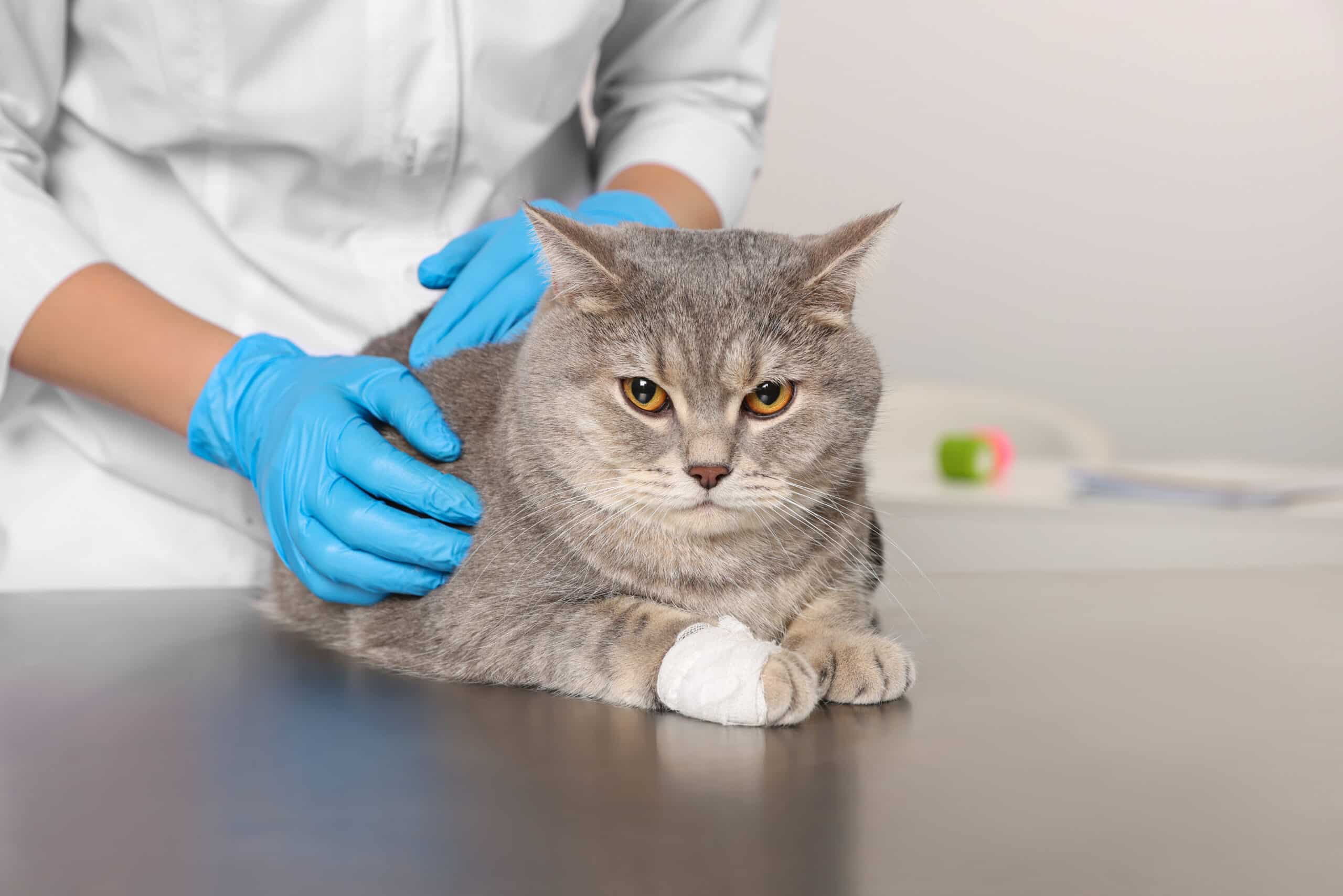
A veterinarian will begin with a physical examination and review your cat’s medical history, recent diet changes, grooming products, and possible environmental exposures.
Depending on the symptoms, diagnostic procedures may include skin scrapings, microscopic examination of hair samples, fungal or bacterial cultures, and blood tests. These evaluations help identify parasites, infections, allergies, or other underlying conditions.
Treatment depends on the diagnosis. Your veterinarian may recommend parasite control, antifungal or antibacterial medication, prescribed topical treatments, or dietary adjustments. Cats experiencing allergic skin reactions may also require medication to reduce inflammation and itching.
Following the recommended treatment plan is important for recovery. Avoid stopping prescribed medication early or introducing additional products without veterinary guidance.
Schedule an Appointment for Urgent Pet Care in New Orleans
Sudden skin peeling should never be dismissed as ordinary shedding, especially when it occurs alongside redness, sores, persistent itching, or behavioral changes. Recognizing these signs early and seeking veterinary guidance can help protect your cat’s skin and overall well-being.
If your cat is experiencing sudden skin peeling, contact our animal hospital to discuss the symptoms and arrange an appropriate evaluation. If you need guidance about your cat’s condition, call us at 504-525-6369 to speak with our veterinary team.
At The Cat Practice, we understand how concerning unexpected skin changes can be for cat owners. Our team is committed to helping cats receive appropriate veterinary attention and supporting their health through attentive, compassionate care in New Orleans.
Frequently Asked Questions
1. Why Is My Cat’s Skin Peeling All of a Sudden?
Ans: Sudden skin peeling can result from allergies, flea infestations, fungal infections, contact irritation, or underlying health conditions. A veterinary examination can help determine the specific cause.
2. Is Skin Peeling in Cats a Sign of a Serious Health Problem?
Ans: It can be. Mild flaking may have a less concerning cause, but widespread peeling, open sores, bleeding, severe inflammation, or changes in behavior require prompt veterinary attention.
3. Can Fleas Cause Skin Peeling in Cats?
Ans: Yes. Flea bites can trigger allergic reactions in sensitive cats, leading to intense itching, scratching, scabbing, and hair loss. Continued irritation may cause additional skin damage.
4. Can I Treat My Cat’s Peeling Skin at Home?
Ans: Avoid using human creams, essential oils, or unapproved shampoos. These products may irritate the skin or contain ingredients that are unsafe for cats. Consult a veterinarian before applying any treatment.
5. When Should I Contact a Veterinarian for My Cat’s Skin Problems?
Ans: Contact a veterinarian when you notice sudden peeling, persistent itching, redness, hair loss, or scabs. Seek immediate assessment if the skin is extensively damaged, bleeding, blistering, or accompanied by signs of illness.