
You notice your cat feels lighter during your evening cuddle. Their food bowl looks normal, yet their body seems thinner. Sudden weight loss can be unsettling because cats often hide illness until it progresses. Many pet owners miss the earliest changes because they happen gradually. This article explains what sudden weight loss may signal, which symptoms deserve attention, and how veterinarians identify the cause. It also covers practical steps you can take at home while seeking professional guidance. A trusted new orleans veterinarian can help determine whether the change is linked to aging, diet, or an underlying medical concern. Paying attention early can make a meaningful difference in your cat’s comfort and quality of life. Even small changes in weight deserve a closer look, especially if they happen over a few weeks.
Understanding Sudden Weight Loss in Cats
Cats can lose weight for many reasons. Some causes are mild, while others require prompt medical attention. Weight loss happens when the body burns more energy than it receives from food.
Studies suggest that nearly half of cats over age ten develop at least one chronic health condition. Many of these conditions can lead to changes in appetite and body weight. Older cats are especially prone to gradual weight loss.
In our experience, pet owners often notice weight loss after they notice changes in behavior. A cat may sleep more, groom less, or avoid jumping onto furniture. These subtle clues often appear before dramatic weight changes.
Weight loss is not a disease itself. It is a symptom that tells us something in the body may not be working properly.
Signs and Symptoms to Watch For
Sudden weight loss rarely happens alone. Watch for these common signs:
- Increased thirst: Your cat may visit the water bowl more often than usual.
- Reduced appetite: Some cats begin eating less over several days or weeks.
- Vomiting: Frequent vomiting can affect nutrient absorption and body weight.
- Changes in litter box habits: More or less urination can point to underlying concerns.
- Lower energy levels: Cats may spend more time hiding or resting.
- Poor coat condition: A dull or unkempt coat can indicate declining health.
If you notice any of these signs, contact your veterinarian promptly.
Many cats we see continue acting normally despite significant weight loss. One of the most common questions we get from pet owners is whether a cat can lose weight while still eating well. The answer is yes. Conditions affecting metabolism or digestion can cause this pattern.
Keeping a weekly record of your cat’s weight can help identify changes before they become severe.
Causes and Risk Factors
Several factors can contribute to sudden weight loss in cats. Age is one of the biggest risk factors. Senior cats are more likely to experience thyroid, kidney, and digestive changes.
Dental discomfort can also affect eating habits. A cat with oral pain may approach food eagerly but stop after a few bites. Stress is another possible contributor. Changes in the household, new pets, or moving can influence appetite.
Environmental factors matter as well. Cats living in warm, humid climates may become less active during hotter months. This can sometimes mask underlying issues because owners expect seasonal behavior changes.
Common causes of unexpected weight loss include:
- Hyperthyroidism
- Kidney disease
- Diabetes
- Digestive disorders
- Food intolerance
- Chronic infections
- Cancer
Pet owners often tell us they assumed their cat was simply getting older. Aging can change activity levels, but significant weight loss should never be dismissed as a normal part of growing older.
How Is Sudden Weight Loss in Cats Diagnosed and Treated?
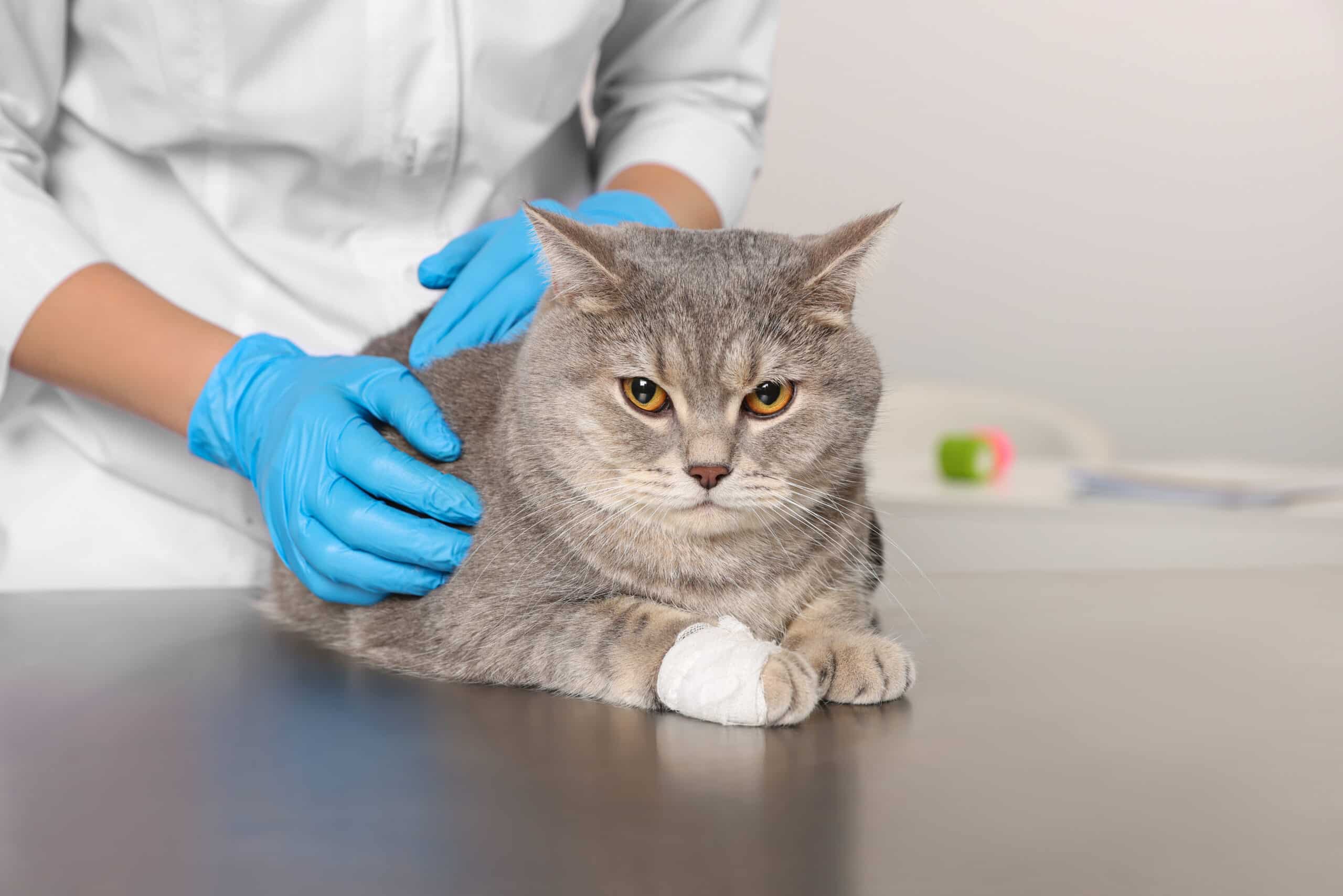
Veterinarians diagnose sudden weight loss by reviewing your cat’s history, performing a physical examination, and recommending appropriate testing. Treatment depends on the underlying cause and may include dietary changes, medications, or ongoing monitoring.
Early diagnosis often leads to better outcomes and helps cats maintain a comfortable quality of life.
Your veterinarian will usually follow these steps:
- Review your cat’s weight history and eating habits.
- Perform a full physical examination.
- Check for dehydration, dental problems, and muscle loss.
- Recommend blood work and urine testing if needed.
- Develop a treatment plan based on the findings.
We frequently remind our clients that diagnostic testing provides valuable answers. It helps rule out several conditions at once and reduces guesswork.
A real-world observation from our team is that many cats with hyperthyroidism remain unusually hungry despite losing weight. This combination often surprises owners. Identifying these patterns helps veterinarians narrow down possible causes more quickly.
Treatment plans vary widely. Some cats improve with nutritional support, while others require long-term management for chronic conditions.
Prevention and Home Care Tips
While not every cause of weight loss is preventable, there are steps that support better health monitoring at home.
- Weigh your cat monthly using a household scale.
- Monitor appetite and water intake.
- Schedule regular wellness visits for senior cats.
- Keep a journal of behavior changes.
- Offer a consistent feeding routine.
A common misconception is that fluffy cats cannot lose weight quickly. Long fur can hide muscle loss and make changes harder to spot. Running your hands gently along your cat’s ribs and spine each week can help you detect differences sooner.
If your cat loses weight unexpectedly, avoid changing foods repeatedly without veterinary guidance. Frequent diet changes can make it harder to identify the underlying issue.
For additional guidance or to schedule an evaluation, call 5045256369. The Cat Practice can help assess changes in your cat’s weight and overall health.
Conclusion
Sudden weight loss in cats can signal a wide range of underlying concerns, from dietary issues to chronic illnesses. Paying attention to appetite, energy levels, and litter box habits can help you recognize changes early. Regular weight checks at home provide valuable information for your veterinary team. If you have concerns about your cat’s health, speaking with a new orleans veterinarian is an important next step. The Cat Practice is committed to helping cats receive the care and attention they need throughout every stage of life. Book an appointment today.
FAQs
Q: Why is my cat losing weight but still eating normally?
Ans: Cats can lose weight despite eating well if they have conditions that affect metabolism or nutrient absorption. Hyperthyroidism is one example that commonly causes this pattern.
Q: What are the first signs of unhealthy weight loss in cats?
Ans: Early signs include a more prominent spine or ribs, reduced energy, poor coat condition, and changes in appetite or thirst.
Q: Can stress cause sudden weight loss in cats?
Ans: Yes. Household changes, travel, and the introduction of new pets can affect a cat’s appetite and lead to weight loss over time.
Q: How can I prevent weight loss in my senior cat?
Ans: Monthly weight checks, consistent feeding routines, and regular veterinary visits can help identify changes before they become significant.
Q: When should I take my cat to the vet for weight loss?
Ans: If your cat loses noticeable weight over a few weeks or develops additional symptoms like vomiting, lethargy, or increased thirst, a veterinary evaluation is recommended.