
As cats grow older, their nutritional needs, muscle mass, activity, and body composition can change. Maintaining a healthy weight is an important part of supporting mobility, comfort, and long-term wellness. A thoughtful weight-management plan can help your senior cat stay active and enjoy a better quality of life. Senior cat care in New Orleans includes more than monitoring a cat’s age or activity level.
Why Weight Management Matters for Senior Cats
Weight changes can be especially important in older cats. While excess weight can place additional stress on joints and affect overall health, unintended weight loss may also signal an underlying problem. Senior cats can experience age-related muscle loss, changes in digestion, and shifts in appetite, making regular monitoring essential.
For this reason, weight management should not focus solely on the number displayed on a scale. Veterinarians may also evaluate a cat’s body condition score (BCS) and muscle condition score (MCS) to determine whether weight changes represent healthy changes in body composition.
If you are looking for a veterinarian in New Orleans, regular senior wellness visits can provide an opportunity to identify gradual changes before they become more significant concerns.
Senior Cat Care in New Orleans: Recognizing Healthy Weight
A healthy weight looks different from one cat to another. Breed, frame size, age, activity level, and individual health needs can all influence an appropriate weight.
Pet owners should pay attention to changes such as:
- Gradual weight gain or loss
- Reduced muscle over the back or hind legs
- Changes in appetite or eating habits
- Reduced interest in normal activities
- Difficulty jumping onto familiar surfaces
- Changes in grooming or mobility
- Noticeable changes in body shape
The American Association of Feline Practitioners emphasizes that unexplained changes in weight, body condition, or muscle condition should be evaluated rather than simply attributed to getting older.
How Nutrition Supports Weight Management in Older Cats
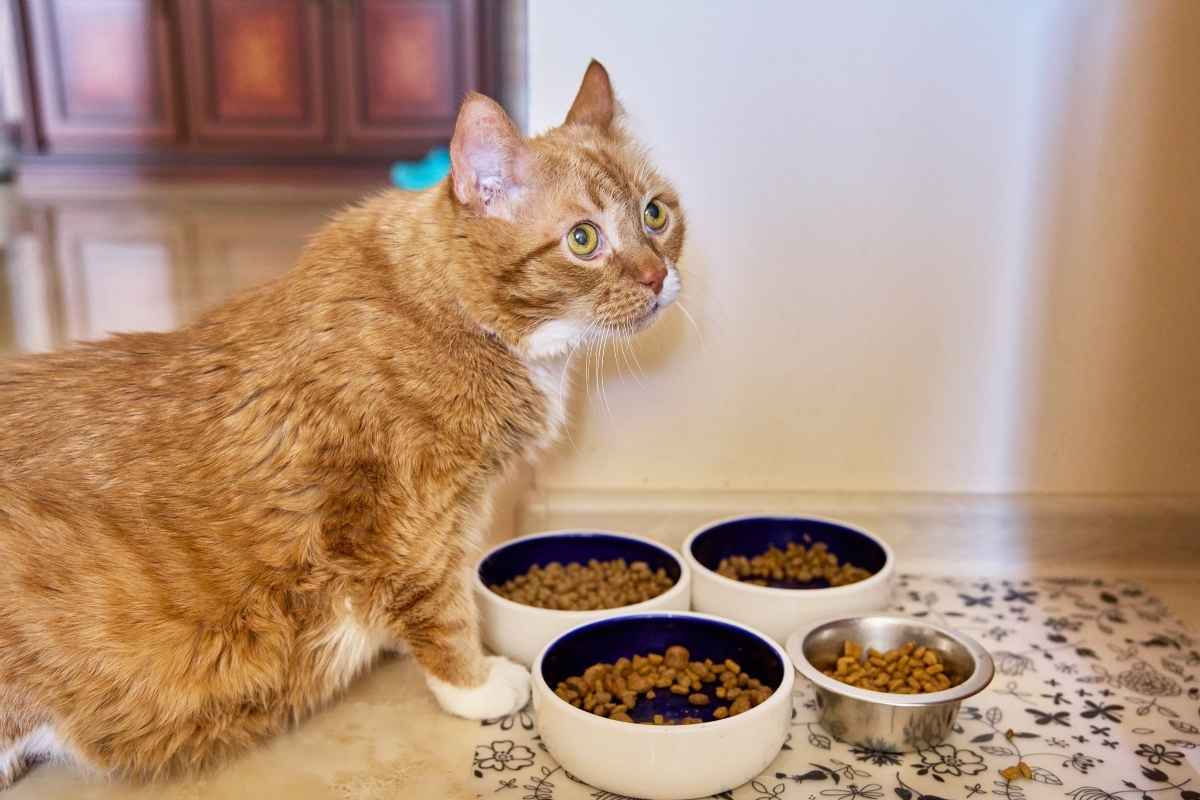
A senior cat’s nutritional needs can change with age. Mature adult cats may require adjustments to their calorie intake, while some cats over 10 years old may have increased energy requirements. Digestive changes can also affect how efficiently nutrients are absorbed.
Because every senior cat is different, feeding recommendations should be individualized. A veterinarian can consider your cat’s weight, body condition, muscle mass, activity level, and overall health when determining an appropriate diet and feeding amount.
For overweight cats, simply cutting portions of a regular maintenance diet may not always be the best approach because excessive calorie restriction can make it difficult to provide adequate nutrients. Specialized weight-management diets may be recommended when appropriate.
Encourage Safe Activity for Senior Cats
Maintaining a healthy weight is not only about food. Appropriate physical activity can help older cats maintain muscle tone and mobility.
Senior cats may benefit from short, gentle play sessions rather than demanding periods of exercise. Interactive toys, food puzzles, and opportunities to move around the home can provide both physical activity and mental enrichment.
Make activities comfortable for your cat. If jumping has become difficult, place favorite resting areas, food, and water where they are easy to reach. Small environmental adjustments can help an aging cat remain active without unnecessary strain.
Monitor Your Cat’s Weight Between Veterinary Visits
Regular observation at home can complement professional veterinary care. If possible, keep track of your cat’s weight and note meaningful changes in appetite, activity, or eating habits.
However, weight alone does not tell the whole story. A cat can maintain a similar body weight while losing muscle and gaining fat, which is why body condition and muscle condition are important components of senior feline care.
If you notice unexplained weight loss, persistent weight gain, or a significant change in eating behavior, contact a veterinary professional rather than attempting a major diet change on your own.
Veterinary Near You for Personalized Senior Cat Care
Finding a veterinary near you can make ongoing senior cat care more convenient and consistent. Regular examinations allow your veterinarian to track changes over time and create recommendations based on your cat’s individual needs.
Senior care may include a detailed history, physical examination, nutritional assessment, weight and body-condition evaluation, and diagnostic testing when appropriate. These assessments can help identify changes that may otherwise be difficult for owners to notice at home.
A personalized approach is particularly valuable because older cats can have very different nutritional and lifestyle requirements. One senior cat may need help managing excess weight, while another may need additional calories to maintain healthy body condition.
Supporting Your Senior Cat’s Long-Term Wellness
Healthy weight management is an ongoing part of senior pet care. By combining appropriate nutrition, comfortable activity, regular monitoring, and individualized veterinary guidance, you can help your older cat maintain healthy body condition and quality of life.
If you are searching for senior cat care in New Orleans, The Cat Practice provides specialized care for aging feline family members, including attention to nutritional needs, weight management, mobility, and overall wellness. Schedule an appointment with our animal hospital to discuss a personalized wellness and weight-management plan for your senior cat.
Frequently Asked Questions
1. How do I know if my senior cat is overweight?
Ans: Your veterinarian can assess your cat’s body condition score and muscle condition in addition to checking body weight. Changes in body shape, reduced mobility, or difficulty grooming can also provide useful clues.
2. Should I reduce my older cat’s food if they gain weight?
Ans: Do not make significant calorie reductions without veterinary guidance. Senior cats have individual nutritional requirements, and simply feeding substantially less may not provide adequate nutrients.
3. Can senior cats lose weight naturally as they age?
Ans: Some older cats do lose weight, but unexplained weight loss should not automatically be considered a normal part of aging. Age-related muscle loss and changes in digestion can occur, but medical conditions can also contribute to weight loss.
4. How often should I monitor my senior cat’s weight?
Ans: Regular monitoring can help you recognize trends early. Your veterinarian can recommend an appropriate schedule based on your cat’s age, body condition, health status, and nutritional needs.
5. Can exercise help my older cat maintain a healthy weight?
Ans: Yes. Appropriate play and environmental enrichment can encourage movement and help support muscle condition. Activities should be gentle and adapted to your cat’s comfort and mobility.
6. When should I talk with a veterinarian about my senior cat’s weight?
Ans: Contact your veterinarian if you notice unexplained weight gain or loss, changes in appetite, reduced activity, or noticeable changes in muscle mass or body shape. Early evaluation can help determine whether nutritional or other health-related changes need attention.