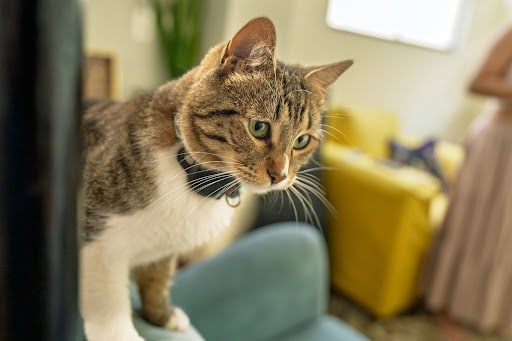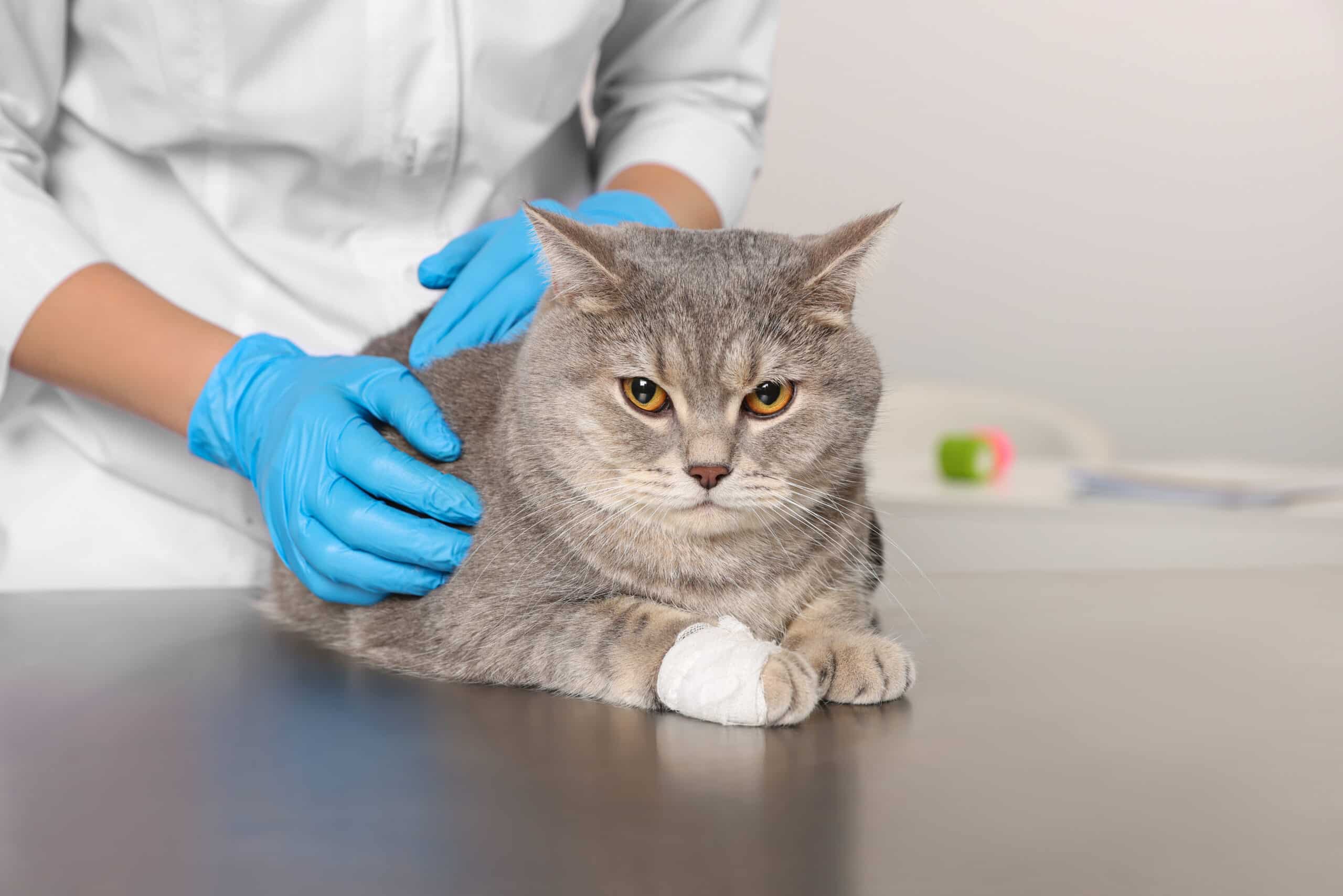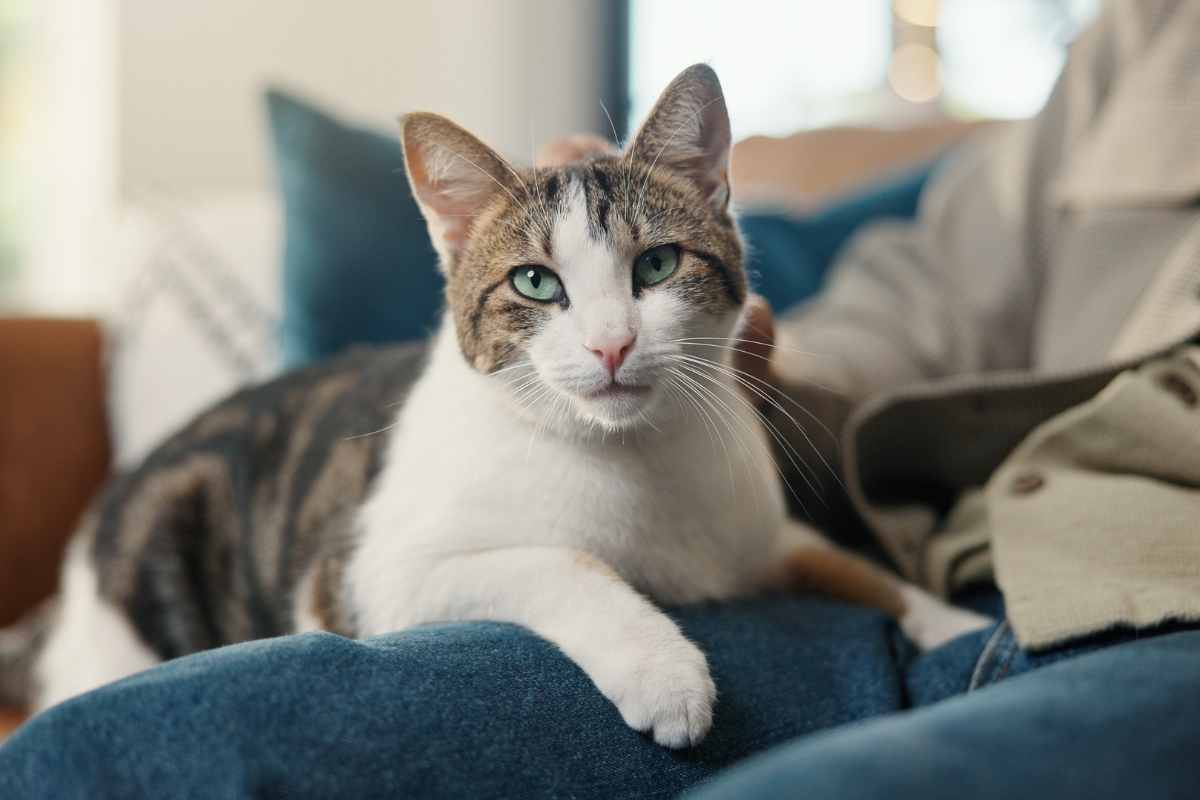

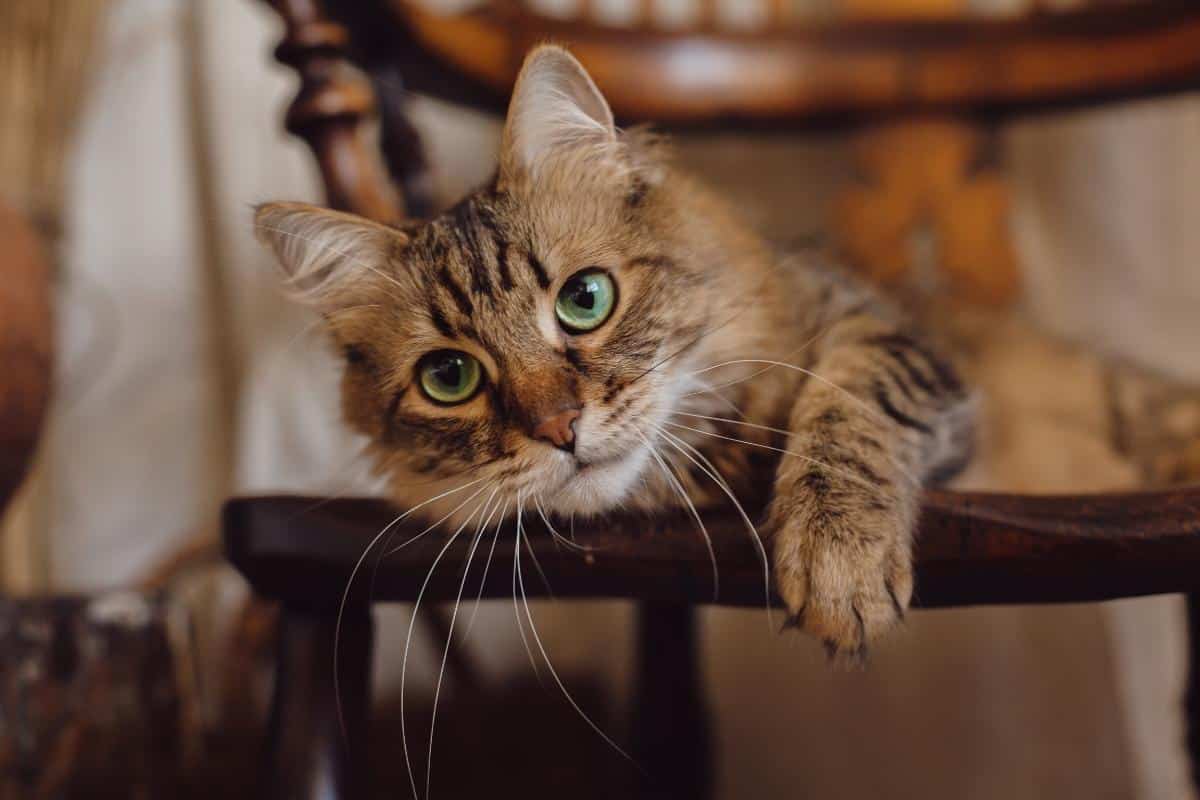
Vision plays an important role in a cat’s confidence, comfort, and overall quality of life. Cats rely on their eyesight to explore their surroundings, recognize familiar faces, judge distances, and navigate their environment. While many eye conditions develop gradually, they often show few noticeable signs until they have progressed. That is why preventive eye exams are an essential part of protecting your cat’s long-term vision.
Regular eye evaluations allow veterinarians to detect subtle changes before they become serious. Early identification of eye conditions can reduce discomfort, preserve vision, and help your cat continue enjoying daily activities. If your pet develops sudden eye irritation, squinting, or changes in vision, seeking cat urgent care New Orleans services promptly can also prevent minor problems from becoming more complicated.
In this guide, we’ll explain how preventive eye exams work, why they matter, and when to seek prompt veterinary attention for your cat’s eye health.
Why Your Cat’s Eye Health Should Never Be Overlooked
Cats are masters at hiding discomfort. Even when experiencing pain or vision changes, they often continue behaving normally. This natural instinct can make eye diseases difficult for pet owners to recognize.
Many eye conditions develop silently before obvious symptoms appear. By the time a cat begins bumping into furniture or avoiding stairs, significant vision loss may have already occurred.
Routine eye exams help veterinarians identify early warning signs, including:
- Increased eye pressure
- Changes in the retina
- Corneal irritation
- Inflammation
- Tear production abnormalities
- Early lens changes
Detecting these issues early provides more treatment options and better long-term outcomes.
Common Eye Problems That Can Affect Cats
Several eye conditions may threaten your cat’s vision if left untreated.
Corneal Ulcers
The cornea is the clear outer layer of the eye. Scratches, irritation, or underlying disease can cause painful ulcers that require prompt medical attention.
Signs include:
- Squinting
- Excessive tearing
- Pawing at the face
- Cloudy appearance
Conjunctivitis
Inflammation of the tissue surrounding the eye can cause:
- Redness
- Eye discharge
- Swelling
- Frequent blinking
While mild irritation may seem harmless, persistent conjunctivitis should always be evaluated by a veterinarian.
Glaucoma
Glaucoma occurs when pressure inside the eye increases. Without timely treatment, permanent vision loss can occur.
Symptoms may include:
- Enlarged eye
- Cloudy cornea
- Redness
- Pain
- Reduced vision
Routine eye exams often detect increased eye pressure before severe damage develops.
Cataracts
Although less common in cats than dogs, cataracts can interfere with vision when they become advanced.
Veterinary monitoring helps determine whether treatment is necessary.
Retinal Disease
The retina converts light into signals sent to the brain. Damage to this delicate tissue may affect vision permanently if not recognized early.
Regular eye examinations help detect retinal abnormalities before noticeable blindness develops.
How Preventive Eye Exams Protect Vision
Preventive eye exams involve much more than simply looking into your cat’s eyes.
During a comprehensive examination, your veterinarian evaluates:
- Eye symmetry
- Pupil response
- Tear production
- Corneal health
- Lens clarity
- Eye pressure
- Retinal appearance
- Overall eye function
These assessments allow subtle abnormalities to be identified long before permanent vision loss occurs.
Signs Your Cat May Need Prompt Eye Care
Although preventive exams are recommended throughout your cat’s life, certain symptoms require immediate veterinary attention.
Watch for:
- Squinting
- Keeping one eye closed
- Excessive tearing
- Thick eye discharge
- Redness
- Cloudiness
- Swelling around the eye
- Visible scratches
- Sudden vision changes
- Frequently rubbing the face
- Sensitivity to light
When these signs appear, seeking urgent cat care near you can make a significant difference in preserving your pet’s vision.
The Connection Between Preventive Care and Urgent Eye Problems
Many urgent eye conditions begin as relatively minor issues.
For example:
A small corneal scratch may quickly become infected.
Mild inflammation can progress into severe pain.
Elevated eye pressure can permanently damage the optic nerve if left untreated.
Routine eye exams help identify these concerns before they reach a stage requiring more extensive treatment.
Even with excellent preventive care, sudden eye injuries or unexpected symptoms can still occur. Prompt evaluation allows veterinarians to begin treatment as early as possible.
Cats Most Likely to Benefit From Regular Eye Exams
Every cat benefits from routine eye evaluations, but some may require closer monitoring.
Higher-risk cats include:
- Senior cats
- Cats with previous eye injuries
- Cats diagnosed with chronic eye conditions
- Flat-faced breeds
- Outdoor cats
- Cats with recurring eye irritation
These pets may develop eye problems more frequently and benefit from more regular veterinary assessments.
What Happens During an Eye Examination?
A preventive eye exam is typically quick, gentle, and comfortable for most cats.
Your veterinarian may:
Review Medical History
Past eye issues, medications, and behavior changes provide valuable information.
Perform a Physical Eye Evaluation
The veterinarian carefully examines:
- Eyelids
- Cornea
- Iris
- Lens
- Retina
- Pupils
Measure Eye Pressure
Specialized equipment measures pressure inside the eye to screen for glaucoma.
Evaluate Tear Production
Adequate tear production helps protect the surface of the eye.
Use Specialized Lighting
Magnification and focused lighting allow small abnormalities to become visible.
Each part of the examination helps identify conditions that might otherwise go unnoticed.
At-Home Habits That Support Healthy Eyes
While professional exams remain essential, owners can also support eye health at home.
Helpful habits include:
- Check your cat’s eyes regularly for redness or discharge.
- Keep facial fur clean if needed.
- Monitor for excessive blinking or squinting.
- Prevent rough play that could injure the eyes.
- Watch for changes in vision or behavior.
- Schedule veterinary evaluations whenever concerns arise.
Home observation complements not replaces routine veterinary eye exams.
Why Early Intervention Matters
Many eye diseases respond much better when diagnosed early.
Early treatment may help:
- Reduce discomfort
- Protect healthy eye structures
- Preserve vision
- Shorten recovery time
- Prevent complications
Waiting until symptoms become severe may limit treatment options and increase the risk of permanent vision loss.
For cats showing sudden eye discomfort, redness, or vision changes, timely evaluation through cat urgent care New Orleans services provides the best opportunity for successful treatment.
When to Search for Urgent Cat Care Near You
Some eye problems should never wait.
Seek urgent cat care near you if your cat experiences:
- Sudden inability to see
- Eye trauma
- Significant swelling
- Bleeding around the eye
- Severe squinting
- Thick green or yellow discharge
- Cloudy eye appearing suddenly
- Rapidly worsening redness
Prompt veterinary attention can help prevent additional damage and improve the chances of preserving vision.
Protect Your Cat’s Vision With Routine Veterinary Care
Healthy eyes contribute to your cat’s confidence, mobility, and overall well-being. Because many eye diseases develop quietly, preventive eye exams remain one of the most effective ways to detect problems before vision is affected.
When unexpected eye symptoms appear, timely evaluation is equally important. Combining regular preventive care with prompt attention to new concerns helps protect your cat’s eyesight throughout every stage of life.
If you’re looking for a trusted New Orleans veterinarian that offers compassionate care for feline eye concerns and urgent medical needs, The Cat Practice is dedicated exclusively to cats. Whether your cat needs a preventive eye evaluation or prompt assessment for a sudden eye problem, the experienced veterinary team is here to help. To schedule an appointment, call (504) 525-6369.
Frequently Asked Questions
1. How often should my cat have a preventive eye exam?
Ans: Most healthy adult cats benefit from routine eye evaluations during regular wellness visits. Senior cats and those with previous eye conditions may require more frequent examinations based on your veterinarian’s recommendations.
2. Can cats lose vision without showing obvious symptoms?
Ans: Yes. Cats often hide discomfort and adapt well to gradual vision changes, making routine eye exams important for detecting problems early.
3. What are the first signs of an eye problem in cats?
Ans: Common early signs include squinting, redness, tearing, eye discharge, cloudiness, rubbing the face, and increased sensitivity to light.
4. When should I seek urgent veterinary care for my cat’s eye?
Ans: You should seek prompt veterinary attention if your cat experiences sudden vision changes, eye injuries, severe redness, swelling, significant discharge, or persistent squinting.
5. Are senior cats more likely to develop eye diseases?
Ans: Yes. Aging increases the risk of several eye conditions, making regular eye examinations especially important for older cats.
6. Can preventive eye exams help avoid permanent vision loss?
Ans: Yes. Early detection allows veterinarians to diagnose and manage many eye conditions before they cause irreversible damage, helping preserve your cat’s vision and comfort.