
The Fourth of July is a time for backyard gatherings, fireworks, and celebrations across the country. While these festivities are enjoyable for people, they can be overwhelming for cats. Loud noises, unfamiliar guests, and changes to their normal routine can create significant stress for even the most confident feline.
Preparing your cat before the holiday can make a big difference in helping them feel secure and comfortable. Taking a few simple steps ahead of time can reduce anxiety and help prevent unexpected situations during the celebration.
If you’re looking for a trusted veterinarian New Orleans pet owners rely on, understanding how to prepare your cat before the festivities is an important part of responsible pet care.
Why the Fourth of July Can Be Stressful for Cats
Cats thrive on consistency. They prefer predictable environments and familiar routines. The Fourth of July often introduces several changes at once, including:
- Loud fireworks
- Increased neighborhood activity
- Visitors entering and leaving the home
- Outdoor celebrations
- Unfamiliar smells and sounds
Unlike dogs, cats often respond to stress by hiding rather than seeking comfort. Some may stop eating temporarily, while others may vocalize more than usual or become unusually withdrawn. Preparing in advance helps reduce these stressors before they become overwhelming.
Create a Safe Indoor Space Before the Celebrations Begin
One of the best ways to help your cat is by creating a quiet retreat inside your home.
Choose a room that is away from windows and exterior doors. Equip it with everything your cat needs, including:
- Fresh water
- Food
- A clean litter box
- Favorite bedding
- Toys
- Scratching posts
Closing curtains or blinds can reduce flashes from fireworks, while keeping windows shut helps minimize outside noise.
Allow your cat to explore this room before the holiday so it becomes a familiar and comforting place.
Keep Your Cat Indoors All Day
Even cats that occasionally spend time outside should remain indoors throughout the Fourth of July.
Fireworks often begin long before sunset and may continue well into the evening. Unexpected loud noises can frighten cats, causing them to run or hide in unsafe places if they are outdoors.
Be especially cautious when guests are arriving or leaving, as open doors create opportunities for indoor cats to slip outside unnoticed.
Keeping your cat safely indoors significantly reduces the risk of them becoming lost during holiday festivities.
Stick to Your Cat’s Regular Routine
Cats appreciate consistency, especially during stressful situations.
Try to maintain your normal schedule by:
- Feeding meals at the usual times
- Cleaning the litter box regularly
- Scheduling play sessions as you normally would
- Offering treats at familiar times
Maintaining these daily habits helps provide reassurance when other parts of the environment feel unpredictable.
Reduce Noise Inside Your Home
Although it’s impossible to eliminate all outdoor sounds, you can reduce their impact indoors.
Helpful strategies include:
- Playing soft background music
- Turning on a fan or white noise machine
- Keeping televisions on at a comfortable volume
- Closing doors to quieter rooms
These simple measures can help mask sudden bursts of fireworks and create a calmer environment for your cat.
Make Sure Identification Information Is Current
Even well-prepared cats may become startled if unexpected situations occur.
Check that your cat’s identification tags contain current contact information. If your cat has a microchip, verify that your contact details are up to date with the registration company.
Accurate identification greatly improves the chances of a safe reunion should your cat accidentally get outside.
Watch for Signs of Stress
Every cat responds differently to stressful situations. Some signs may be subtle, while others are more noticeable.
Common signs include:
- Hiding for long periods
- Excessive grooming
- Loss of appetite
- Dilated pupils
- Flattened ears
- Restlessness
- Increased vocalization
- Refusing interaction
Monitoring your cat’s behavior throughout the holiday allows you to recognize when they may need additional support.
Prepare Your Home Before Guests Arrive
If you’re planning to host family or friends, consider your cat’s comfort before visitors arrive.
Explain to guests that your cat may prefer quiet spaces and should not be forced to interact. Children should also understand that hiding cats should be left alone.
Place a reminder near exterior doors asking visitors to close them carefully. This simple precaution helps prevent accidental escapes during busy gatherings.
Remove Holiday Hazards
Holiday celebrations often introduce items that may not normally be accessible to curious cats.
Before festivities begin, keep the following out of reach:
- Decorative ribbons
- Food scraps
- Corn cobs
- Bones
- Skewers
- Alcoholic beverages
- Glow sticks
- Fireworks
- Sparklers
- Small decorations
Cats naturally investigate their surroundings, so removing potential hazards ahead of time creates a safer environment.
Give Your Cat Plenty of Exercise Earlier in the Day
Interactive play sessions before celebrations begin can help your cat burn energy and settle more comfortably later.
Activities may include:
- Wand toys
- Laser pointer games (always end with a physical toy they can catch)
- Puzzle feeders
- Climbing structures
- Chasing lightweight toys
Mental stimulation combined with physical activity can help encourage relaxation once evening arrives.
Avoid Forcing Interaction
Some cats seek reassurance from their owners during stressful situations, while others prefer solitude. Respect your cat’s individual personality and avoid pulling them out of their hiding place or encouraging unwanted interaction.
Instead, let your cat decide when they are ready to come out. Simply knowing they have a safe space available can help them feel more secure throughout the evening.
Monitor Your Cat After the Fireworks End
Your responsibilities don’t end once the fireworks stop. Continue checking on your cat throughout the evening and into the following day.
Look for signs that they are returning to their normal routine, such as:
- Eating and drinking normally
- Using the litter box
- Grooming themselves
- Playing or exploring the house
- Interacting comfortably with family members
Some cats recover quickly, while others may need a little more time to feel completely at ease.
Know When to Seek Veterinary Guidance
Although mild stress is common during the Fourth of July, prolonged or severe behavioral changes should not be ignored.
Contact a veterinary professional if your cat:
- Refuses food for an extended period
- Experiences repeated vomiting or diarrhea
- Has difficulty breathing
- Appears unusually lethargic
- Shows signs of injury
- Continues displaying significant anxiety after the holiday has passed
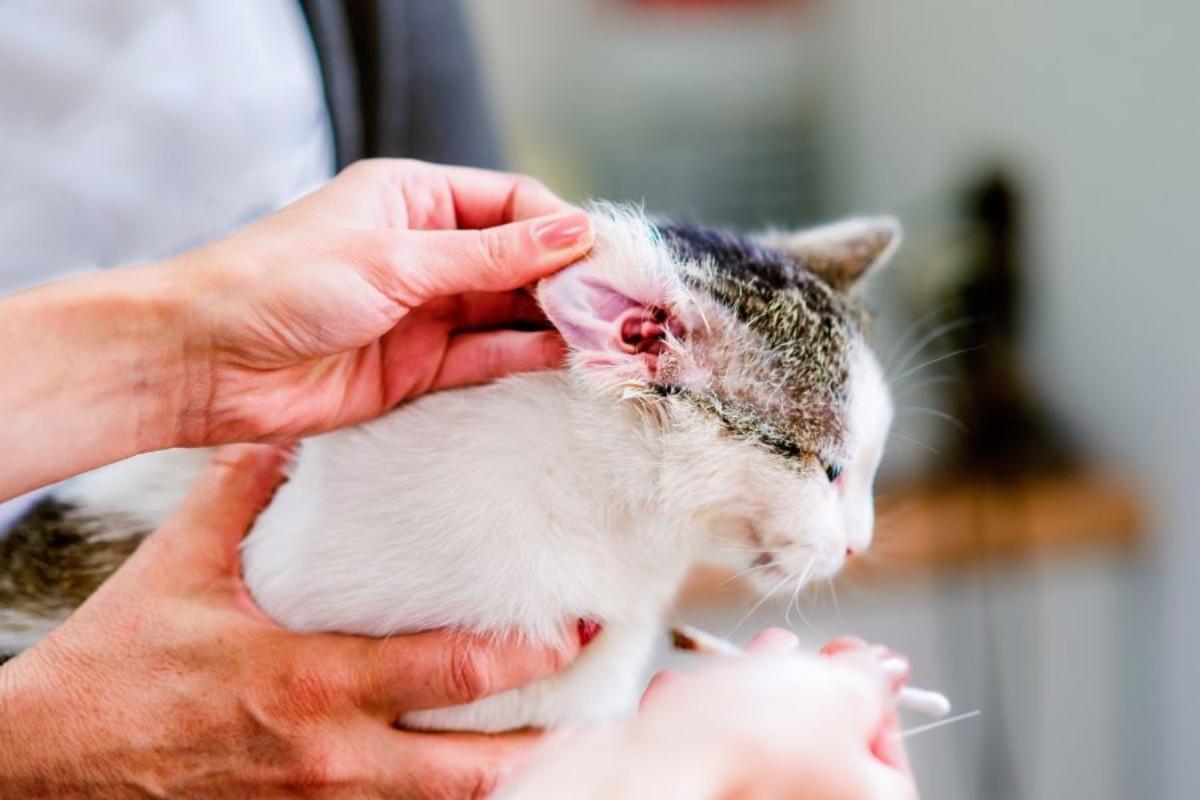
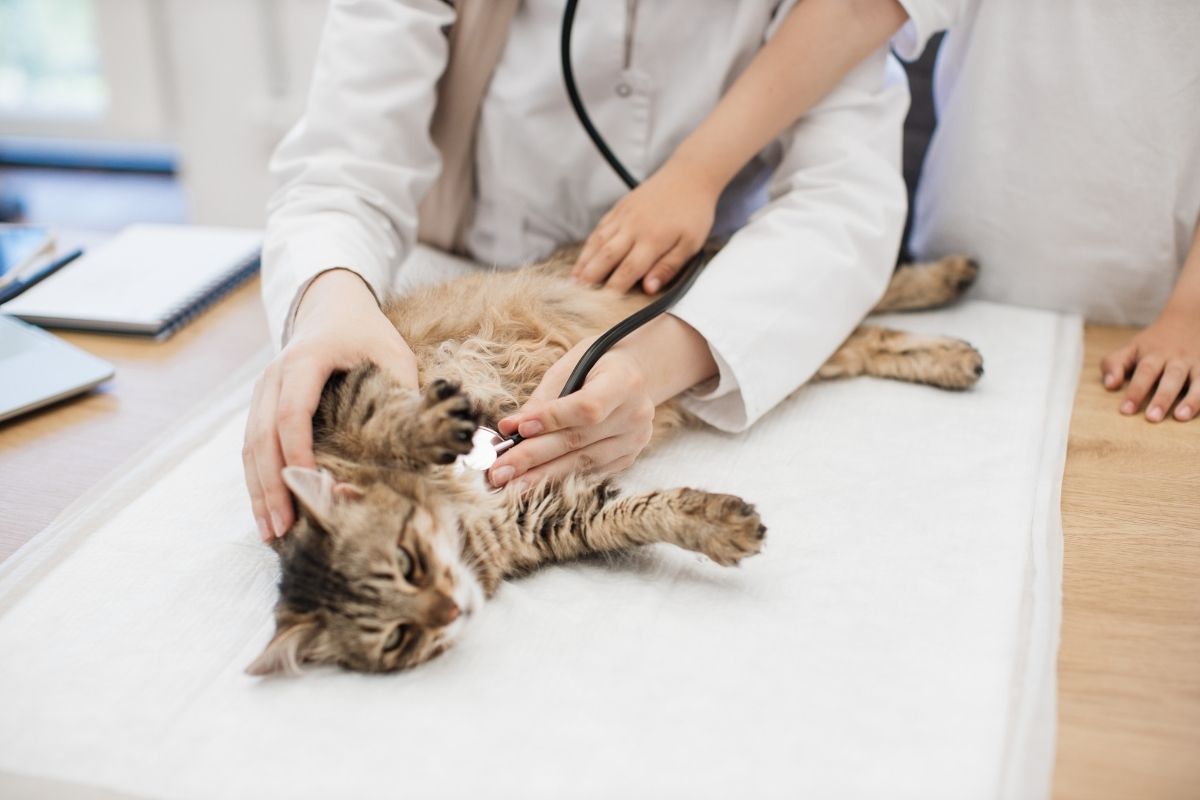
Prompt evaluation can help determine whether your cat is experiencing stress alone or if another health concern may be contributing to their behavior. If you have concerns about your cat’s well-being before or after the holiday, schedule for an appointment with your veterinary team.
Helping Your Cat Enjoy a Safer Fourth of July
Preparing your cat before the Fourth of July doesn’t have to be complicated. Creating a quiet retreat, maintaining familiar routines, minimizing exposure to loud noises, and keeping your cat safely indoors can go a long way toward making the holiday less stressful.
Every cat reacts differently to holiday celebrations, but thoughtful preparation gives them the best opportunity to remain calm and comfortable. By planning ahead, you can focus on enjoying the festivities while helping your feline companion feel protected throughout the day.
For pet owners looking for a trusted vet New Orleans residents depend on or searching for veterinary near you, The Cat Practice is committed to providing compassionate, feline-focused care. Whether you have questions about your cat’s behavior, overall wellness, or holiday preparedness, their experienced team is here to help your cat stay healthy and comfortable year-round.
Frequently Asked Questions
1. Why are cats so afraid of Fourth of July fireworks?
Ans: Cats have highly sensitive hearing, making loud and unpredictable noises especially frightening. Fireworks can trigger stress responses that cause hiding, vocalizing, or changes in normal behavior.
2. Should I let my cat outside during the Fourth of July?
Ans: No. Keeping your cat indoors throughout the holiday is the safest option. Fireworks and increased activity can easily frighten cats and increase the risk of them running away.
3. How can I create a calming environment for my cat?
Ans: Set up a quiet room with food, water, a litter box, comfortable bedding, and familiar toys. Closing curtains and using soft background noise can also help reduce outside disturbances.
4. What signs indicate my cat is stressed?
Ans: Common signs include hiding, decreased appetite, excessive grooming, restlessness, flattened ears, dilated pupils, and increased vocalization. Every cat may respond differently.
5. Is it okay to have guests interact with my cat during holiday gatherings?
Ans: It’s best to let your cat decide whether they want to interact. Encourage guests to respect your cat’s space and avoid forcing contact if your cat chooses to hide.
6. When should I contact a veterinarian after the Fourth of July?
Ans: If your cat continues to show signs of significant stress, refuses to eat, experiences digestive issues, has difficulty breathing, or behaves unusually after the holiday, it’s important to seek professional veterinary guidance promptly.