
You glance at your cat and notice something off. One eye looks hazy, bluish, or filmy, and it seemed perfectly fine just yesterday. A cloudy eye in cats can appear seemingly overnight, and it’s natural to feel a jolt of worry when you spot it. Some cats show no other symptoms at all, while others squint, paw at the eye, or seem more sensitive to light than usual. The truth is that cloudiness has several possible causes, ranging from mild irritation to conditions that need prompt attention. Age plays a role too, since older cats develop certain eye changes far more often than kittens do. Understanding what a cloudy eye actually signals can help you decide how quickly to act and what questions to bring to your veterinarian. This guide walks through the most common reasons a cat’s eye turns cloudy, the signs worth watching for, and when it’s time to get your cat examined.
What Does a Cloudy Eye in Cats Really Mean?
A cloudy or hazy appearance in a cat’s eye usually points to changes in the cornea, the lens, or the fluid inside the eye itself. It can be as simple as a minor scratch that’s healing, or as significant as a developing cataract or infection. The color, the speed of onset, and whether one or both eyes are affected all help narrow down the cause.
Cataracts are one well-known cause, and they become noticeably more common as cats reach their senior years, with a meaningful rise in cases after age ten. Other possibilities include corneal ulcers, uveitis, glaucoma, and dry eye, each producing a slightly different look and its own set of accompanying symptoms. Because these conditions range so widely in severity, cloudiness should never be treated as something to simply watch indefinitely without professional input.
Recognizing the Signs That Something Is Wrong
Cloudiness rarely shows up entirely on its own. Watch for these accompanying signs, which can help you and your veterinarian figure out what’s happening faster and point toward the correct signs of eye infection or other underlying issue.
- Squinting or holding the eye partly closed, which often signals pain or light sensitivity
- Excessive tearing or thick discharge, pointing toward infection or irritation
- Redness in the white of the eye or the inner eyelid tissue
- Pawing at or rubbing the face, a sign the eye feels uncomfortable
- A visible change in pupil size or shape compared to the other eye
- Bumping into furniture or hesitating in dim rooms, which can suggest vision changes
In our experience, cats are remarkably good at hiding discomfort, so even subtle behavior changes are worth mentioning at an appointment. Many cat owners tell us they almost didn’t call because their cat still seemed to be eating and playing normally, even with a visibly cloudy eye.
What Causes Sudden Eye Cloudiness in Cats?
There are several common causes of cloudy eyes, and pinpointing the right one usually depends on how quickly it appeared and what else is going on. Trauma from a scratch, a rough play session with another pet, or even a stray blade of grass can cloud the cornea within hours. Infections, whether bacterial or viral, tend to bring along redness and discharge alongside the haze.
Age-related changes are another frequent explanation, particularly cataracts and a condition called lenticular sclerosis, which gives older cats’ eyes a slight blue-gray tint that isn’t usually painful. In New Orleans, the warm, humid climate and heavy pollen seasons can also contribute to allergy-related eye irritation that sometimes looks cloudy before it clears on its own. It’s a common misconception that a cloudy eye always means a cat is going blind or needs an emergency room visit that same hour. In reality, many causes of cloudy eyes are manageable when caught early, though a small number do require urgent evaluation to protect the cat’s vision.
How Veterinarians Diagnose and Treat Cloudy Eyes
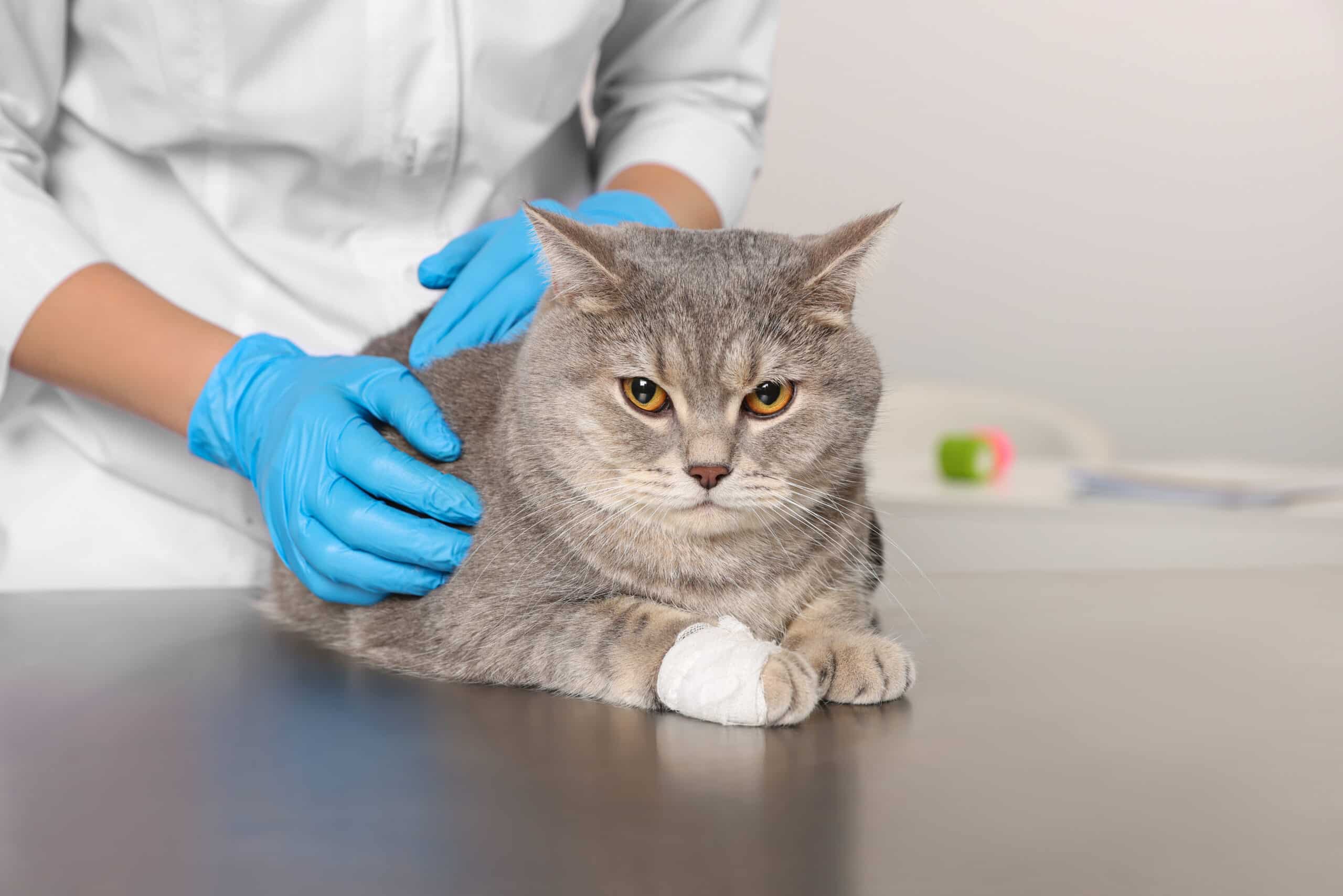
Diagnosing a cloudy eye typically involves a hands-on exam along with a few simple, painless tests. Here’s what that process usually looks like:
- A visual and light-based exam to check the cornea, pupil, and overall eye structure
- A fluorescein stain test, which highlights scratches or ulcers on the eye’s surface
- Measurement of eye pressure to rule out glaucoma
- Bloodwork if an underlying illness is suspected as the root cause
One of the most common questions we get is whether treatment always involves surgery. It usually doesn’t. Many cases respond well to prescribed eye drops or ointments, and corneal ulcer treatment in cats often clears up within one to two weeks with consistent care and rechecks. More advanced cataracts or persistent glaucoma may eventually need referral to a veterinary ophthalmologist, but that’s decided case by case rather than assumed upfront.
When Cloudiness Calls for Urgent Pet Care
Some situations do call for same-day attention rather than a wait-and-see approach. Sudden cloudiness paired with obvious pain, a swollen or bulging eye, sudden blindness, or an eye that’s been injured all warrant prompt veterinary care rather than a few days of observation. If your cat is squinting hard, refusing to open the eye at all, or the cloudiness appeared alongside a known injury, that’s a clear signal to be seen quickly.
The team at The Cat Practice sees these cases regularly and understands how stressful a sudden eye change can feel for any pet owner in the New Orleans area. If your cat needs urgent pet care New Orleans pet owners can count on, call us at 504-525-6369 and we’ll help you determine the right next step for your cat’s eye. Prompt evaluation matters most in the first day or two, since some causes of cloudy eyes can progress quickly without treatment.
Cloudy eyes in cats deserve attention, but they rarely call for panic. Watching for accompanying symptoms like squinting, discharge, or behavior changes will help you judge how urgently your cat needs to be seen. A cloudy eye in cats can stem from anything as minor as age-related haze to something that needs prompt care, so a veterinary exam is the safest way to know which one you’re dealing with. Trust your instincts. If something looks off, it’s always reasonable to have it checked. Book an appointment today.
Frequently Asked Questions
Q1: Can a cloudy eye in cats go away on its own?
Ans: Some mild cases, like minor irritation from dust or allergens, can improve without treatment. However, ulcers, infections, and pressure-related conditions usually need veterinary care to resolve properly and avoid lasting damage.
Q2: Is a cloudy eye always painful for cats?
Ans: Not always. Age-related haze such as lenticular sclerosis typically causes no discomfort, while ulcers, infections, and glaucoma are often painful and usually come with squinting or excessive blinking.
Q3: Do kittens get cloudy eyes too?
Ans: Yes, though it’s less common than in senior cats. In kittens, cloudiness is more often linked to injury, infection, or a congenital eye condition rather than age-related changes.
Q4: How fast can a cat’s eye go from clear to cloudy?
Ans: It can happen within hours, especially with trauma, a scratch, or a fast-moving infection. Gradual cloudiness over weeks or months is more typical of cataracts or age-related lens changes.
Q5: Will my cat need eye drops forever after treatment?
Ans: It depends on the cause. Many infections and ulcers only need short-term drops, while chronic conditions like glaucoma may require ongoing medication to manage long-term.