
When your cat suddenly seems unwell or gets hurt, knowing what to do can make a meaningful difference. While basic first aid can provide temporary support, some situations require professional evaluation. For pet parents looking for cat urgent care in New Orleans, understanding when to move from home care to veterinary attention is an important part of responsible cat ownership.
When Does a Cat Need Urgent Veterinary Care?
Cats are naturally skilled at hiding discomfort. A cat that appears quiet, withdrawn, or simply “not quite right” may be experiencing pain or illness that is difficult to recognize at first.
Some signs that may warrant prompt veterinary attention include:
- Sudden changes in behavior or activity
- Difficulty walking or a noticeable limp
- Persistent vomiting or diarrhea
- Refusing food or water
- Trouble urinating or frequent attempts to use the litter box
- Unusual breathing patterns
- Bleeding, wounds, or swelling
- Signs of significant pain, such as vocalizing or hiding
- Sudden weakness or difficulty standing
If you notice a concerning change, contacting a veterinarian can help determine the appropriate next step. A feline-focused practice can assess your cat’s symptoms and recommend care based on their individual condition.
Cat First Aid: What Can You Safely Do at Home?
First aid is not a replacement for veterinary care, but simple steps may help keep your cat comfortable while you arrange professional assistance.
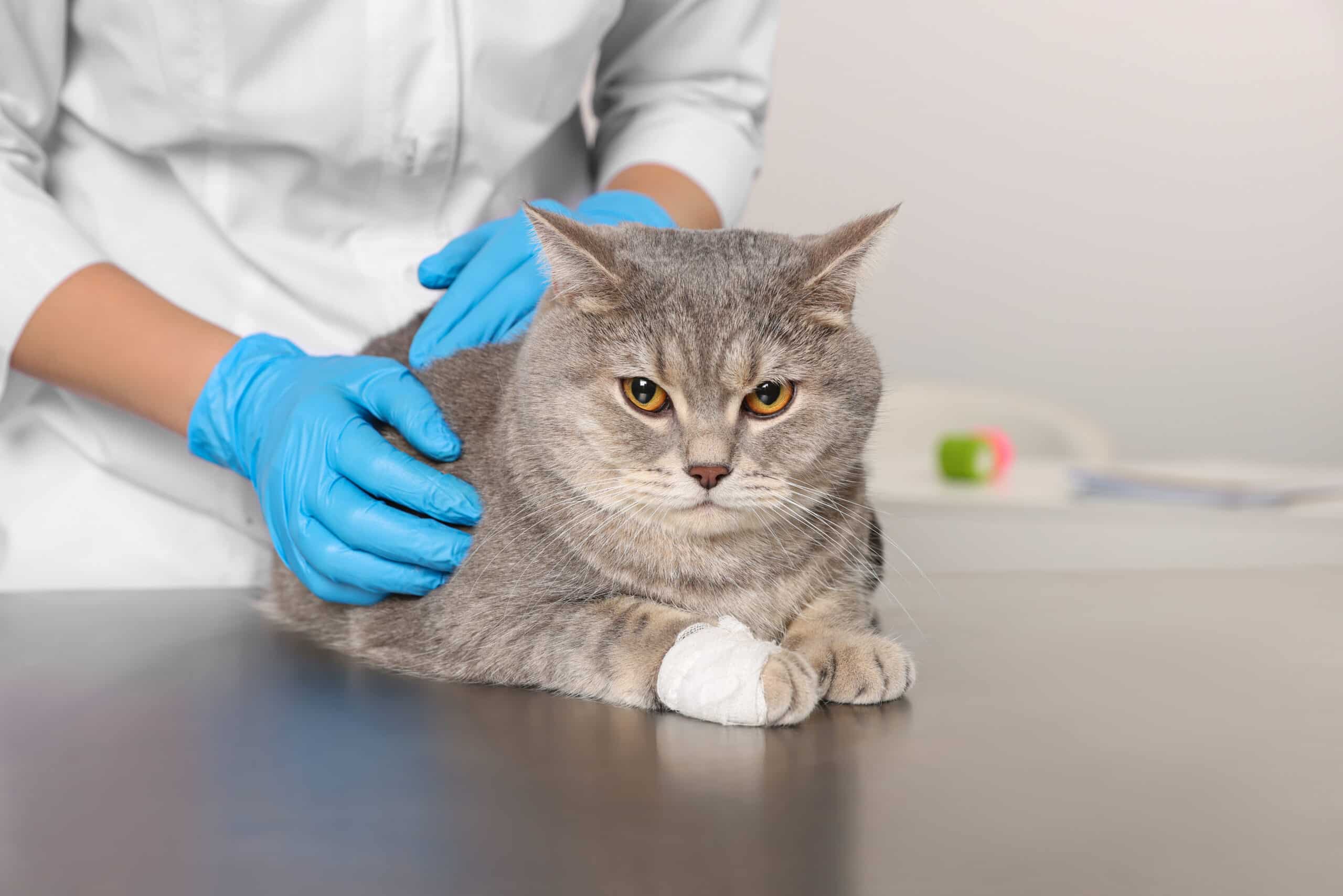
If your cat has a minor surface wound, keep the area clean and prevent your cat from licking or scratching it excessively. If there is visible bleeding, gentle pressure with clean gauze or a soft cloth may help. Avoid applying household chemicals, creams, or medications unless a veterinarian specifically recommends them.
For a cat that seems unusually weak or uncomfortable, keep them in a quiet, comfortable space and minimize unnecessary handling. A secure carrier is generally the safest way to transport a cat for evaluation.
Most importantly, avoid giving your cat human medications without veterinary guidance. Many medications that are safe for people can be harmful to cats.
How Cat Urgent Care in New Orleans Helps
Searching for cat urgent care near you can be stressful when your feline companion is suddenly showing concerning symptoms. The goal of prompt veterinary care is to identify the underlying problem, manage discomfort, and determine what treatment your cat may need.
A veterinary team may begin by asking about your cat’s symptoms, behavior, appetite, litter box habits, medical history, and recent activities. A physical examination can then help identify areas of concern.
Depending on the situation, diagnostic testing may also be recommended. Veterinary diagnostic care can help the medical team better understand what is happening rather than relying only on visible symptoms.
Because cats often hide signs of illness, professional evaluation can be especially valuable when your cat’s behavior changes unexpectedly.
What to Bring When Your Cat Needs Veterinary Attention
Preparing a few details before visiting a veterinarian can make the appointment more productive. If possible, bring information about:
- When you first noticed the change
- What symptoms you have observed
- Changes in eating or drinking
- Recent changes in litter box use
- Any recent injury or unusual activity
- Medications or supplements your cat currently receives
- Previous medical records
If you have noticed a specific behavior, a short video recorded at home may also help the veterinary team understand what you observed.
When searching for a cat animal hospital near you, consider choosing a facility experienced specifically in feline medicine. A cat-focused environment can provide a setting designed around the unique needs and behavior of cats.
Why a Feline-Focused Veterinary Team Matters
Cats have different medical, behavioral, and handling needs than dogs and other companion animals. A feline-exclusive practice can provide an environment specifically designed for cats.
The Cat Practice is located in New Orleans’ Lower Garden District and provides veterinary services exclusively for cats. The practice offers diagnostic, therapeutic, pain management, surgical, dental, kitten, and senior cat care.
The facility also emphasizes a cat-friendly approach intended to reduce stress during veterinary visits. This includes a calm environment, feline-specific equipment, and staff trained in feline handling techniques.
For pet parents seeking cat urgent care near you, having access to a veterinary team that understands feline behavior can make the process more comfortable for both you and your cat.
When to Contact a Veterinary Team
If your cat develops a sudden or concerning change, don’t rely solely on home observation. Cats can compensate for discomfort and may not display obvious signs until a problem has progressed.
When you’re uncertain whether your cat needs veterinary attention, calling a veterinary team and describing the symptoms can help you understand what to do next. If an appointment is appropriate, the team can guide you through the process and prepare for your cat’s visit.
If you’re searching online for cat urgent care in New Orleans, look for a practice that offers feline-focused medical services and has a convenient location for your household.
Get Feline-Focused Care in New Orleans
Your cat’s health can change quickly, and recognizing when first aid is no longer enough is an important part of being a responsible pet parent. Prompt veterinary evaluation can help identify health concerns, address discomfort, and provide a clear plan for your cat’s care.
If you’re looking for cat urgent care in New Orleans or searching for a cat animal hospital near you, contact our animal hospital to discuss your cat’s needs. The Cat Practice is a feline-exclusive veterinary hospital located at 1809 Magazine Street in New Orleans, Louisiana.
Call us at 504-525-6369 to speak with our team and learn more about veterinary care for your cat.
Frequently Asked Questions
1. What signs mean my cat should be evaluated by a veterinarian?
Ans: Changes such as persistent vomiting, difficulty urinating, unusual weakness, significant pain, breathing changes, wounds, or sudden behavioral changes may warrant prompt veterinary evaluation.
2. Can I treat my cat’s injury at home?
Ans: Minor issues may sometimes be managed temporarily with basic first aid, but home treatment should not replace veterinary assessment when symptoms are persistent, worsening, or concerning.
3. Can I give my cat human pain medication?
Ans: No. Do not give your cat human medications unless a veterinarian specifically instructs you to do so. Some medications intended for people can be dangerous for cats.
4. What should I bring to a veterinary appointment?
Ans: Bring relevant medical records, a list of medications or supplements, and details about when the symptoms started. Videos or photos of unusual behavior can also provide useful information.
5. How can I find a cat animal hospital near you?
Ans: Look for a veterinary facility with experience in feline medicine, convenient access, appropriate diagnostic capabilities, and a cat-friendly environment. A feline-exclusive practice may be especially helpful for cats that become stressed during veterinary visits.
6. What should I do if I am unsure whether my cat needs urgent care?
Ans: When you’re uncertain, contact a veterinary team and explain what you are observing. Professional guidance can help determine whether your cat should be evaluated and how quickly an appointment may be appropriate.