
Your cat’s dental health plays a vital role in their overall well-being. While many cat owners pay close attention to their pet’s diet, grooming habits, and activity levels, dental care is often overlooked until a noticeable problem develops. Unfortunately, dental disease is one of the most common health issues affecting cats, and it can lead to significant discomfort, tooth loss, and even systemic health complications if left untreated.
Recognizing the early signs of dental disease can help you seek timely treatment and protect your feline companion from unnecessary pain. Understanding what to watch for is an important step in maintaining excellent cat dental care and supporting your cat’s long-term health.
Understanding Dental Disease in Cats
Dental disease refers to a range of oral health conditions that affect the teeth, gums, and surrounding tissues. Plaque naturally forms on a cat’s teeth every day. When plaque is not removed, it hardens into tartar, which can irritate the gums and create an environment where harmful bacteria thrive.
Over time, this buildup may lead to gingivitis, periodontal disease, tooth resorption, oral infections, and other painful conditions. Since cats are skilled at hiding discomfort, many dental problems go unnoticed until they become severe.
Why Dental Health Matters
A healthy mouth is about much more than fresh breath. Dental disease can negatively impact your cat’s ability to eat, groom, and enjoy daily activities. In advanced cases, bacteria from oral infections may enter the bloodstream and affect major organs such as the heart, liver, and kidneys.
Maintaining proper cat dental care helps:
- Reduce pain and discomfort
- Preserve healthy teeth and gums
- Improve eating habits
- Prevent serious infections
- Support overall wellness and longevity
Bad Breath That Doesn’t Go Away
One of the earliest and most common signs of dental disease is persistent bad breath.
While many people assume that unpleasant breath is normal for cats, a strong or foul odor often indicates bacterial buildup in the mouth. If your cat’s breath suddenly becomes noticeably worse or develops a particularly offensive smell, it may be time for a dental evaluation.
Bad breath is often associated with:
- Plaque and tartar accumulation
- Gum inflammation
- Tooth decay
- Oral infections
Ignoring persistent bad breath may allow underlying dental problems to worsen over time.
Red or Swollen Gums
Healthy gums should appear pink and firm. If you notice redness, swelling, bleeding, or tenderness around your cat’s teeth, these may be signs of gingivitis or periodontal disease.
Inflamed gums are often painful and may cause your cat to become sensitive when eating or when their face is touched.
Watch for:
- Bright red gum tissue
- Swollen gum margins
- Bleeding around the teeth
- Receding gums
Early intervention can often prevent more advanced dental complications.
Visible Tartar and Discolored Teeth
Tartar buildup is one of the easiest dental problems to spot. It usually appears as a yellow, brown, or gray substance attached to the surface of the teeth, particularly near the gumline.
As tartar accumulates, it creates a rough surface that traps more bacteria and accelerates the progression of dental disease.
Signs include:
- Yellow or brown deposits on teeth
- Stained teeth
- Thick buildup near the gums
- Teeth that appear dirty despite normal grooming habits
Professional dental cleanings help remove tartar that cannot be eliminated through home care alone.
Changes in Eating Habits
Cats experiencing dental pain often alter the way they eat.
A cat that previously enjoyed meals may begin eating more slowly, dropping food from their mouth, chewing on one side, or avoiding hard food altogether. Some cats may approach their food bowl but walk away without eating because chewing is uncomfortable.
Potential signs include:
- Reduced appetite
- Difficulty chewing
- Preference for softer foods
- Weight loss
- Dropping food while eating
Any sudden change in eating behavior should be evaluated promptly.
Excessive Drooling
Drooling is not common in healthy cats. Increased saliva production can indicate oral pain, inflammation, infection, or dental disease.
In some cases, drool may contain traces of blood, especially if gum disease is advanced.
If you notice:
- Constant drooling
- Wet fur around the mouth
- Blood-tinged saliva
- Difficulty swallowing
a veterinary examination is recommended to determine the cause.
Pawing at the Mouth or Face
Cats experiencing oral discomfort often try to relieve the irritation by pawing at their mouth or rubbing their face against furniture, carpets, or other surfaces.
These behaviors may suggest:
- Tooth pain
- Gum inflammation
- Oral ulcers
- Dental infections
Repeated face rubbing should never be ignored, especially when accompanied by other dental symptoms.
Behavioral Changes and Irritability
Pain can significantly affect a cat’s behavior.
A cat suffering from dental disease may become withdrawn, less social, or unusually irritable. Some cats stop grooming themselves properly because mouth pain makes grooming uncomfortable.
Behavioral warning signs include:
- Hiding more frequently
- Increased aggression
- Reduced interest in play
- Poor grooming habits
- Changes in sleep patterns
These subtle changes can provide important clues about your cat’s oral health.
Loose or Missing Teeth
Adult cats should have stable permanent teeth. Loose teeth are usually a sign of advanced periodontal disease or other serious dental conditions.
You may notice:
- Teeth shifting position
- Missing teeth
- Difficulty chewing
- Bleeding gums
Loose teeth often cause significant discomfort and require prompt professional attention.
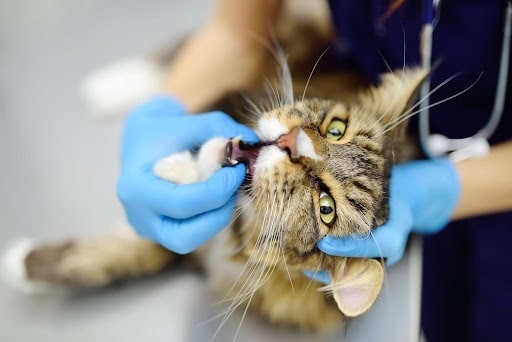
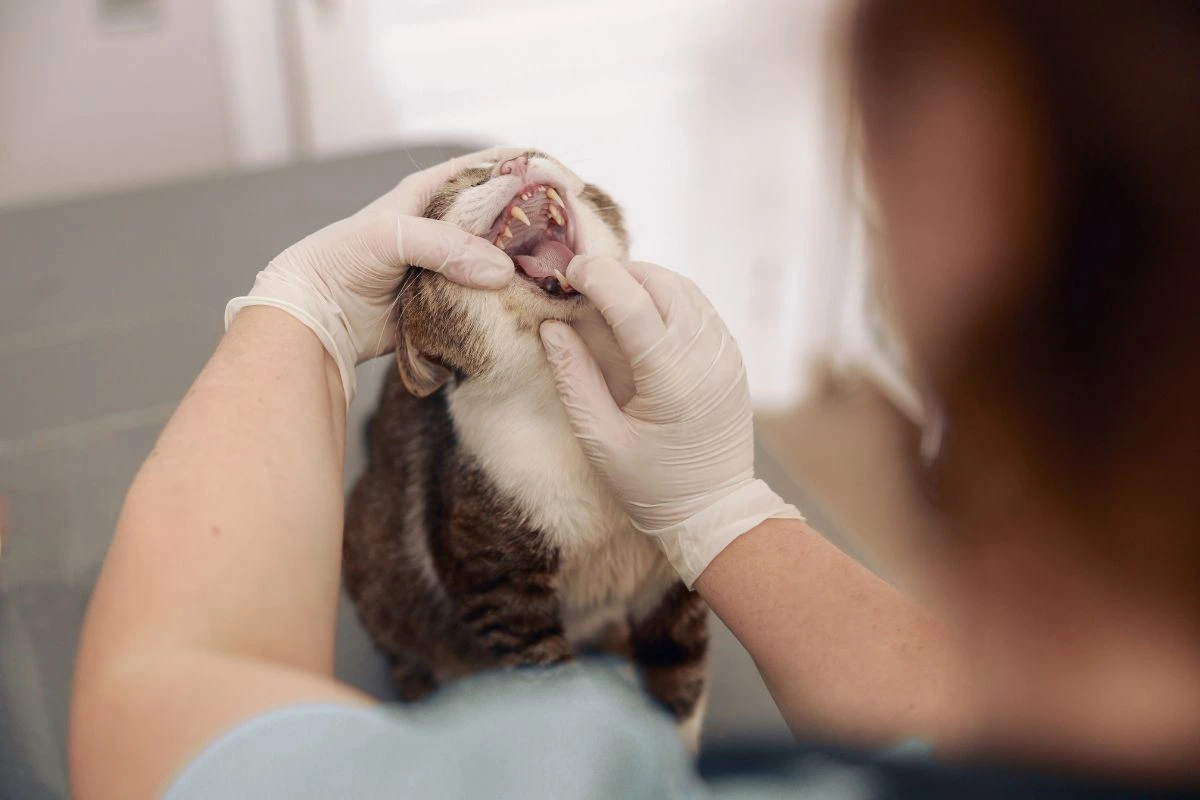
The Importance of Regular Dental Examinations
Routine dental evaluations are one of the most effective ways to identify oral health concerns before they become severe.
During a dental assessment, a veterinary professional can:
- Examine the teeth and gums
- Identify early signs of disease
- Detect hidden dental problems
- Recommend appropriate treatment options
- Develop a preventive care plan
Even cats that appear healthy may have dental issues developing beneath the gumline that are not visible during routine observation at home.
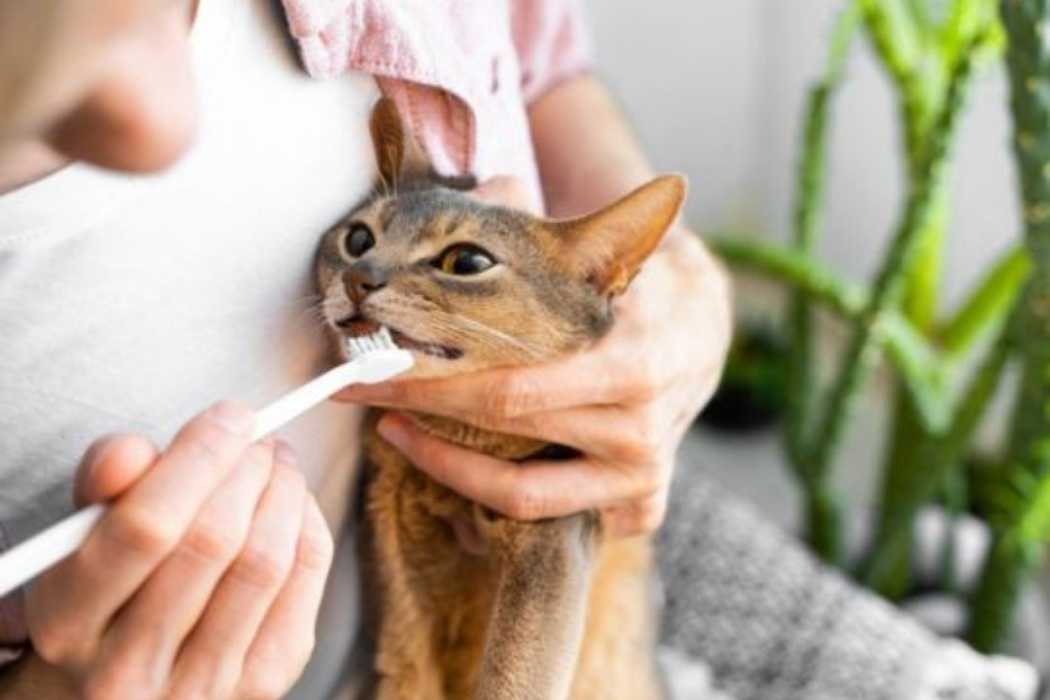
How to Support Your Cat’s Dental Health at Home
Good home care complements professional dental services and helps reduce plaque buildup between visits.
Helpful dental care practices include:
Provide Dental-Friendly Diet Options
Some diets and dental products are specifically formulated to help reduce plaque accumulation.
Monitor Your Cat’s Mouth Regularly
Periodically check your cat’s teeth and gums for signs of redness, swelling, tartar, or other abnormalities.
Watch for Behavioral Changes
Changes in eating, grooming, or social interactions may signal oral discomfort.
Follow Veterinary Recommendations
Every cat has unique dental care needs. Following professional guidance can help maintain healthier teeth and gums throughout life.
When to Seek Professional Dental Care
If you notice any signs of dental disease, it is important not to wait. Early diagnosis and treatment can help prevent pain, preserve teeth, and reduce the risk of more serious health complications.
Signs that warrant prompt attention include:
- Persistent bad breath
- Swollen or bleeding gums
- Excessive drooling
- Difficulty eating
- Loose teeth
- Facial swelling
- Changes in behavior
If your cat is showing any of these symptoms, schedule an appointment to have their oral health evaluated by a veterinary professional.
Protect Your Cat’s Smile for Years to Come
Dental disease is common among cats, but many cases can be managed or prevented through early detection and regular care. By paying attention to subtle warning signs and seeking professional guidance when concerns arise, you can help your feline companion maintain a healthy mouth and a better quality of life.
For comprehensive cat dental care and compassionate feline-focused veterinary services, cat owners can trust the experienced team at The Cat Practice. As a dedicated New Orleans veterinarian, we are committed to helping cats enjoy healthier teeth, healthier gums, and happier lives.
Frequently Asked Questions
1. How common is dental disease in cats?
Ans: Dental disease is one of the most frequently diagnosed health conditions in cats, particularly as they age. Many cats develop some degree of dental disease by the time they reach adulthood.
2. What causes bad breath in cats?
Ans: Persistent bad breath is often caused by plaque buildup, tartar accumulation, gum disease, or oral infections that allow bacteria to grow in the mouth.
3. Can dental disease affect my cat’s overall health?
Ans: Yes. Severe dental disease can contribute to infections and may impact major organs when bacteria enter the bloodstream.
4. How can I tell if my cat has a toothache?
Ans: Signs may include difficulty eating, drooling, pawing at the mouth, irritability, reduced grooming, and changes in behavior.
5. Are loose teeth normal in adult cats?
Ans: No. Loose teeth are typically a sign of advanced dental disease or injury and should be evaluated by a veterinary professional.
6. When should my cat have a dental examination?
Ans: Cats should receive regular wellness examinations that include oral health assessments. Your veterinarian can recommend an appropriate schedule based on your cat’s age and dental condition.