Cats are remarkably good at hiding discomfort, even when they have painful dental problems. One condition that often goes unnoticed is tooth resorption, a progressive disease that gradually destroys a tooth’s structure. It can affect cats of different ages, although it becomes more common as they grow older. Without veterinary treatment, affected teeth can become extremely painful and interfere with normal eating habits.
Understanding how tooth resorption develops, recognizing subtle warning signs, and seeking veterinary care can help protect your cat from unnecessary pain. At our veterinary practice in New Orleans, we understand how difficult it can be to recognize dental discomfort in cats. Our vets focus on identifying oral health problems, explaining treatment options, and helping cat owners make informed decisions about their pets’ health.
What Is Tooth Resorption in Cats?
Tooth resorption is a dental condition in which cells called odontoclasts begin breaking down the hard structures of a cat’s tooth. These cells gradually destroy the dentin and may also affect the enamel, cementum, and roots.
The damage often begins below the gumline, making it difficult to detect during a routine visual examination. As the condition progresses, the affected tooth may develop defects near the gumline, become weakened, or lose much of its normal structure.
Unlike ordinary tooth decay in humans, feline tooth resorption is not primarily caused by bacteria producing cavities. It involves the breakdown of the tooth itself.
Veterinarians generally recognize two major patterns:
- Type 1 tooth resorption: The tooth retains recognizable root structures, often alongside inflammation or periodontal disease.
- Type 2 tooth resorption: The tooth roots gradually lose their normal structure and become replaced by bone-like tissue.
Some teeth show features of both types. Identifying the pattern is important because it influences how veterinarians approach treatment.
Why Does Tooth Resorption Happen in Cats?
The exact cause of feline tooth resorption remains unknown. Researchers have investigated several possible contributing factors, but no single explanation accounts for every case.
Age-Related Changes
Tooth resorption becomes more common as cats get older. Over time, changes within dental tissues may increase susceptibility to the condition. However, younger adult cats can also develop affected teeth.
Inflammation Around the Teeth
Inflammation of the gums and surrounding dental tissues may be associated with certain forms of tooth resorption.
Cats with periodontal disease can develop inflammation around the roots and supporting structures of their teeth. However, tooth resorption can also occur without obvious gum disease.
Changes in Tooth-Resorbing Cell Activity
Odontoclasts normally participate in the breakdown of dental tissues during specific biological processes. In cats with tooth resorption, these cells become active in permanent teeth.
Researchers are still investigating what triggers this abnormal activity.
Other Possible Contributing Factors
Scientists have also examined whether nutrition, mineral regulation, mechanical stress, and other biological factors contribute to tooth resorption.
Currently, there is insufficient evidence to identify one specific diet, lifestyle factor, or environmental exposure as the cause.
Important: Tooth resorption does not necessarily mean a cat has received inadequate dental care. Even cats with attentive owners and regular veterinary visits can develop this condition.
What Are the Warning Signs of Tooth Resorption in Cats?
Cats may continue eating and behaving normally despite significant dental pain. This makes early detection challenging.
Common warning signs include:
- Chewing on one side of the mouth
- Dropping food while eating
- Preferring soft food over dry kibble
- Eating more slowly than usual
- Excessive drooling or blood-tinged saliva
- Redness or swelling near the gumline
- Pawing at the mouth or rubbing the face
- Becoming reluctant to have the face touched
- Changes in grooming habits or behavior
- Reduced appetite or unexplained weight loss
Some cats develop a distinctive jaw-chattering response when a painful tooth is touched.
However, the absence of these symptoms does not rule out tooth resorption. A cat may have several affected teeth without showing obvious signs at home.
How Do Veterinarians Diagnose Tooth Resorption?
Diagnosing feline tooth resorption requires more than looking inside the mouth. Damage frequently develops beneath the gums, where it cannot be seen during an awake examination.
Step 1: Reviewing Your Cat’s Health History
Our vets begin by discussing your cat’s eating habits, behavior, previous dental concerns, and any changes you have noticed.
Even small details, such as avoiding crunchy treats or chewing more slowly, can provide useful information.
Step 2: Examining the Mouth
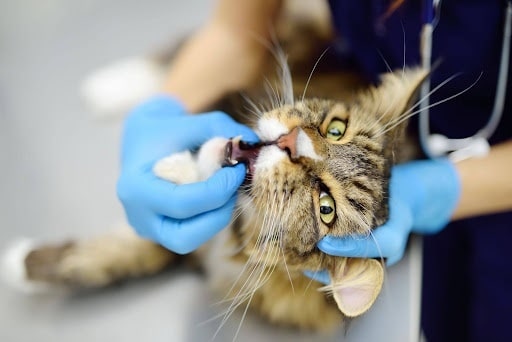
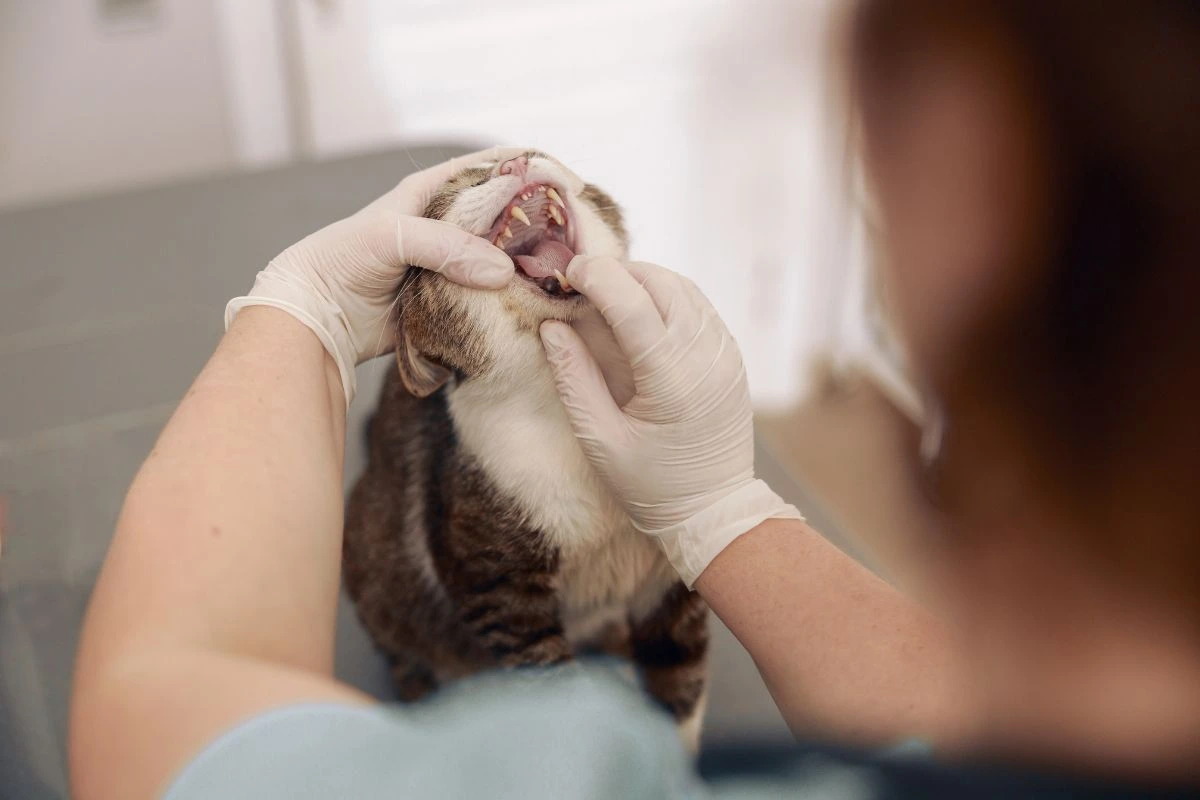
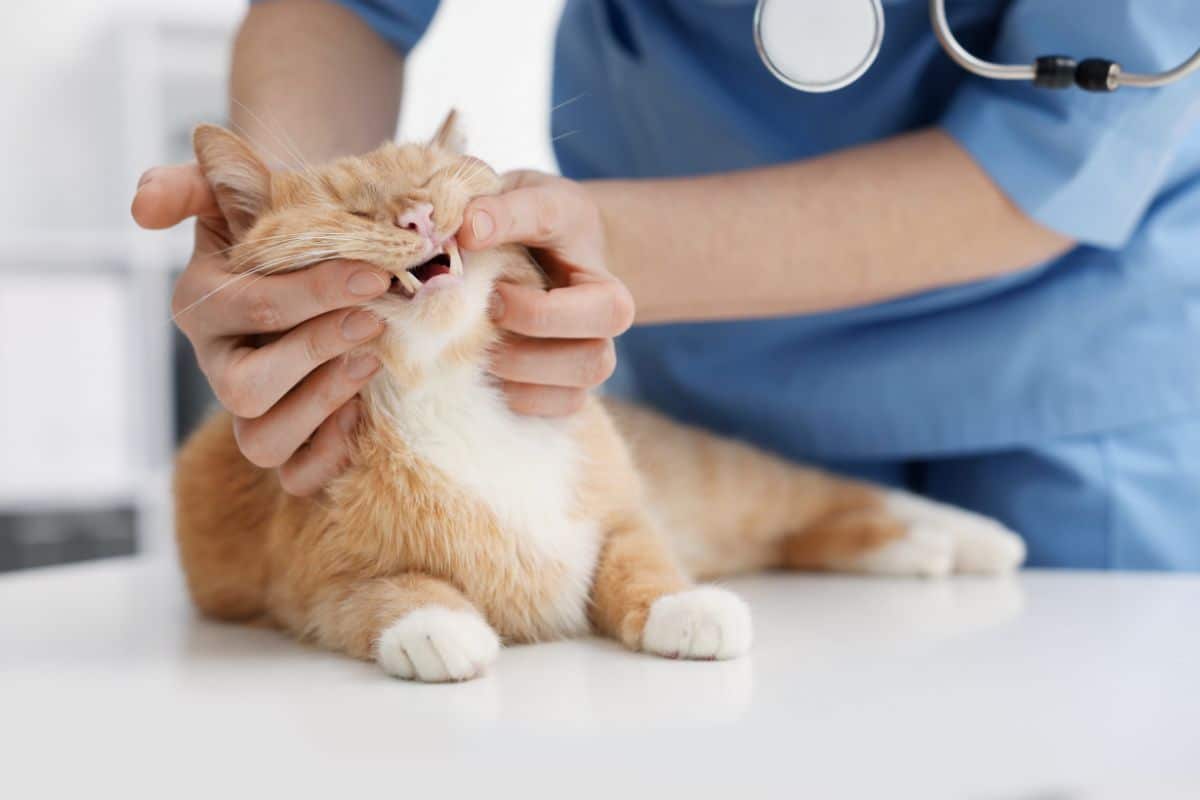
During an oral examination, veterinarians look for gum inflammation, damaged teeth, missing teeth, and other abnormalities. Visible defects near the gumline may raise suspicion of tooth resorption. However, an awake oral examination cannot fully evaluate the structures beneath the gums.
Step 3: Performing Dental X-Rays
Dental radiographs are essential for identifying tooth resorption and determining its extent.
These images help veterinarians evaluate:
- Damage to tooth roots
- Changes in the surrounding jawbone
- Whether roots retain their normal structure
- Teeth that appear healthy above the gumline but have hidden damage
- The appropriate treatment approach for each affected tooth
A complete dental examination and intraoral radiographs are generally performed under general anesthesia, allowing the veterinary team to evaluate the mouth thoroughly while keeping the cat comfortable.
How Do Veterinarians Treat Tooth Resorption in Cats?
Tooth resorption cannot be reversed once the tooth structure has been damaged. Treatment focuses on removing painful diseased tissue, controlling discomfort, and protecting the remaining teeth.
The appropriate procedure depends on the type of resorption and the condition of the affected roots.
Complete Tooth Extraction
Complete extraction is commonly recommended for teeth with painful resorptive lesions, particularly Type 1 lesions. During the procedure, the veterinarian removes the affected tooth, including its roots, when indicated.
The extraction site is then evaluated and managed to promote proper healing. Removing the damaged tooth eliminates the ongoing source of pain associated with that tooth.
Crown Amputation in Selected Cases
For certain Type 2 lesions, the roots may already be undergoing advanced replacement resorption. When dental radiographs confirm appropriate conditions, a veterinarian may recommend crown amputation with intentional root retention.
This involves removing the visible crown while leaving specific resorbing root tissue in place.
Crown amputation is not suitable for every cat or every affected tooth. It should not be performed when there is evidence of conditions such as periodontal or endodontic infection that require complete removal of the roots. Dental X-rays are essential for determining whether this procedure is appropriate.
Pain Management and Recovery
Pain control is an important part of feline dental treatment. Veterinarians may use anesthetic techniques and cat-appropriate medications to manage discomfort during and after the procedure.
Following treatment, cats may need soft food temporarily, prescribed medication, and a follow-up examination. Many cats return to more comfortable eating habits after painful teeth have been treated.
Can Tooth Resorption Be Prevented?
Unfortunately, there is no proven method for preventing feline tooth resorption entirely. Regular brushing, dental diets, and professional dental evaluations can support oral health, but they cannot reliably stop the biological process responsible for tooth resorption.
That is why ongoing cat dental care remains important, even for cats whose teeth appear healthy. Veterinarians may recommend regular oral examinations and professional dental procedures based on a cat’s age, medical history, and individual risk factors.
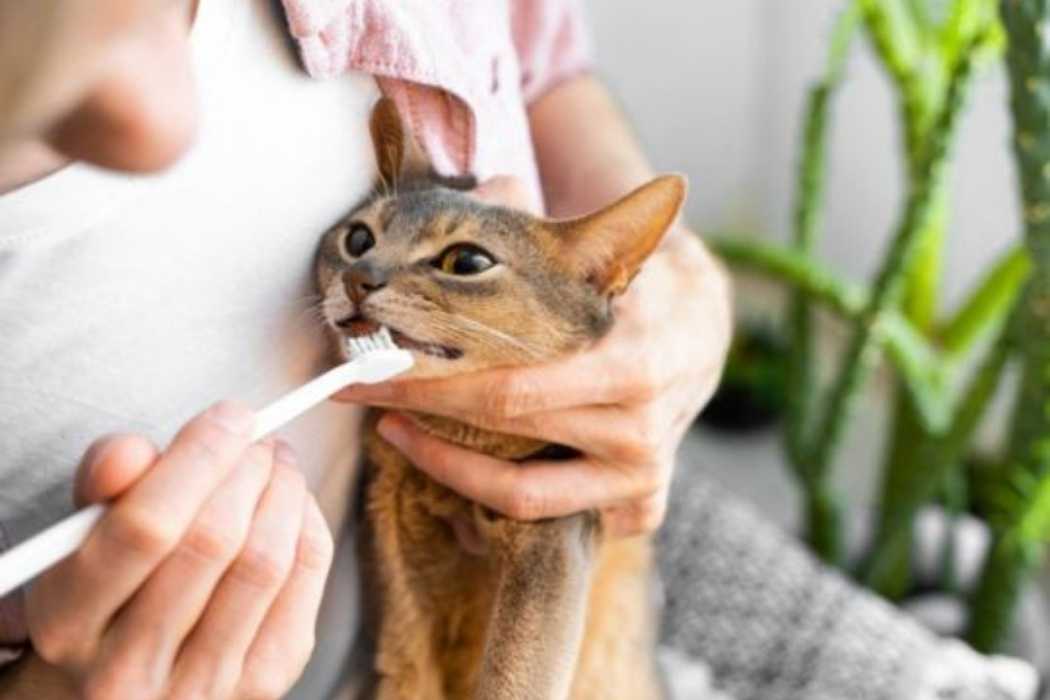
At home, owners can help by monitoring eating habits, checking for changes around the mouth when their cat tolerates it, and reporting unusual behavior. Never attempt to scrape, pull, or manipulate a damaged tooth yourself.
Why Regular Dental Examinations Matter for Cats
A cat’s mouth can look relatively healthy while significant dental disease develops beneath the gums. Routine veterinary examinations help identify concerns that might otherwise go unnoticed. When necessary, dental radiographs provide additional information about tooth roots and supporting structures.
For cats with a history of tooth resorption, ongoing monitoring is particularly important because additional teeth may become affected over time. Our veterinary practice encourages New Orleans cat owners to consider oral health an essential part of preventive veterinary care rather than waiting until their cats stop eating. Early identification of dental disease can reduce the time a cat spends living with untreated pain.
Help Your Cat Enjoy Meals Without Dental Pain
Tooth resorption can gradually affect a cat’s comfort, appetite, and daily behavior. Because the damage often begins beneath the gums, even attentive owners may not recognize the problem until it becomes advanced. Identifying affected teeth and providing appropriate treatment can help cats return to comfortable eating, grooming, and everyday activities.
If your cat has difficulty chewing, shows changes in eating habits, or is due for a dental examination, our veterinary practice is here to help. At The Cat Practice in New Orleans, we provide feline-focused dental examinations, digital dental X-rays, and professional cat dental care to identify oral health concerns and recommend appropriate treatment.
Call us at 504-525-6369 or schedule an appointment today. Give your cat the opportunity to enjoy meals, playtime, and daily routines without untreated dental discomfort.
Frequently Asked Questions
1. Is tooth resorption painful for cats?
Ans: Yes. Tooth resorption can cause significant discomfort, especially when the damage reaches sensitive areas of the tooth. Cats may continue eating despite the pain. Changes in chewing, drooling, or sensitivity around the mouth should prompt a veterinary examination.
2. Can a cat live comfortably after having several teeth removed?
Ans: Yes. Many cats adapt remarkably well after dental extractions. Removing painful teeth often improves their ability to eat comfortably. Veterinarians provide pain management and feeding instructions during recovery. Cats with multiple extractions may need temporary or long-term dietary adjustments.
3. Can tooth resorption spread to other teeth?
Ans: Tooth resorption is not contagious and does not spread between teeth like an infection. However, multiple teeth can develop resorptive lesions independently. Cats previously diagnosed with the condition may develop new lesions, making ongoing dental examinations important.
4. Where can I get my cat checked for tooth resorption in New Orleans?
Ans: The Cat Practice provides feline dental examinations and digital dental radiography in New Orleans, LA. Our vets can evaluate your cat’s oral health, identify signs of dental disease, and recommend further diagnostic procedures or treatment based on the findings.
5. Does The Cat Practice offer dental X-rays for cats in New Orleans?
Ans: Yes. The Cat Practice offers digital dental radiography to examine tooth roots and structures beneath the gumline. These images help our vets identify hidden dental problems, assess damaged teeth, and determine appropriate treatment options for cats with suspected tooth resorption.
6. How often should my cat have a dental examination in New Orleans?
Ans: Most adult cats benefit from an oral examination at least once a year, although some require more frequent evaluations. At The Cat Practice, our vets assess dental health during wellness examinations and may recommend professional cleanings or additional testing based on each cat’s condition.