
Kidney disease is one of the most common health problems in cats, especially as they age. It often develops slowly, which means the early signs can be subtle and easy to miss. Recognizing these warning signs early and seeking help from a vet or experienced veterinarians can make a major difference in your cat’s quality of life.
At The Cat Practice in New Orleans, early detection and preventive care play a key role in protecting feline health. Understanding what to look for can help you act quickly and schedule an appointment when needed.
What Is Kidney Disease in Cats
Kidney disease in cats occurs when the kidneys lose their ability to properly filter waste products from the blood and maintain fluid balance in the body. It can be acute, meaning sudden onset, or chronic, meaning it develops gradually over time.
Chronic kidney disease is more common in older cats and tends to progress slowly. Because the kidneys are highly adaptable, symptoms may not appear until a significant amount of function has already been lost.
Increased Thirst and Urination
One of the earliest warning signs of kidney disease is increased thirst and urination. You may notice your cat drinking more water than usual or visiting the litter box more frequently.
This happens because damaged kidneys cannot concentrate urine effectively, causing more water to be lost from the body. As a result, cats try to compensate by drinking more fluids.
If you observe these changes, it is important to consult a vet for further evaluation.
Weight Loss and Reduced Appetite
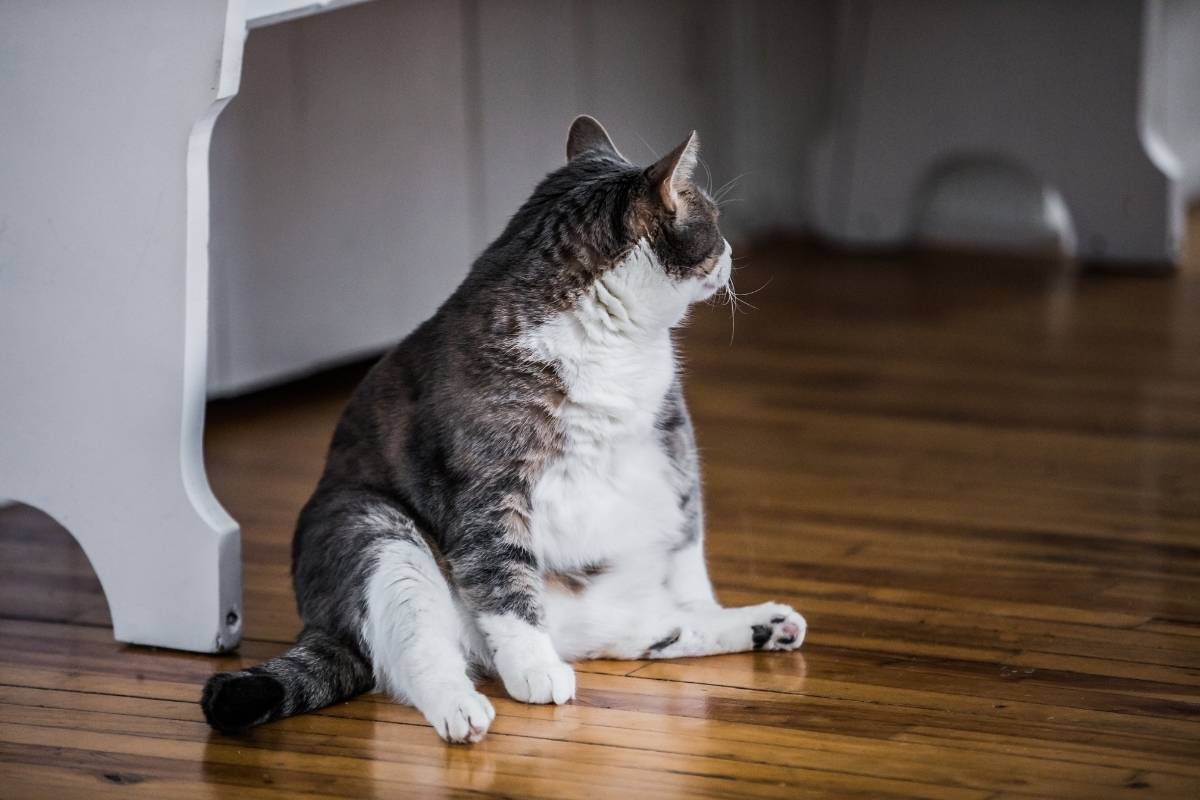
Unexplained weight loss is another common early sign. Cats with kidney disease often begin to lose interest in food or eat significantly less than usual.
Toxin buildup in the bloodstream can lead to nausea and reduced appetite. Over time, this can result in noticeable weight loss and muscle wasting.
Monitoring your cat’s eating habits closely can help detect this symptom early.
Lethargy and Low Energy Levels
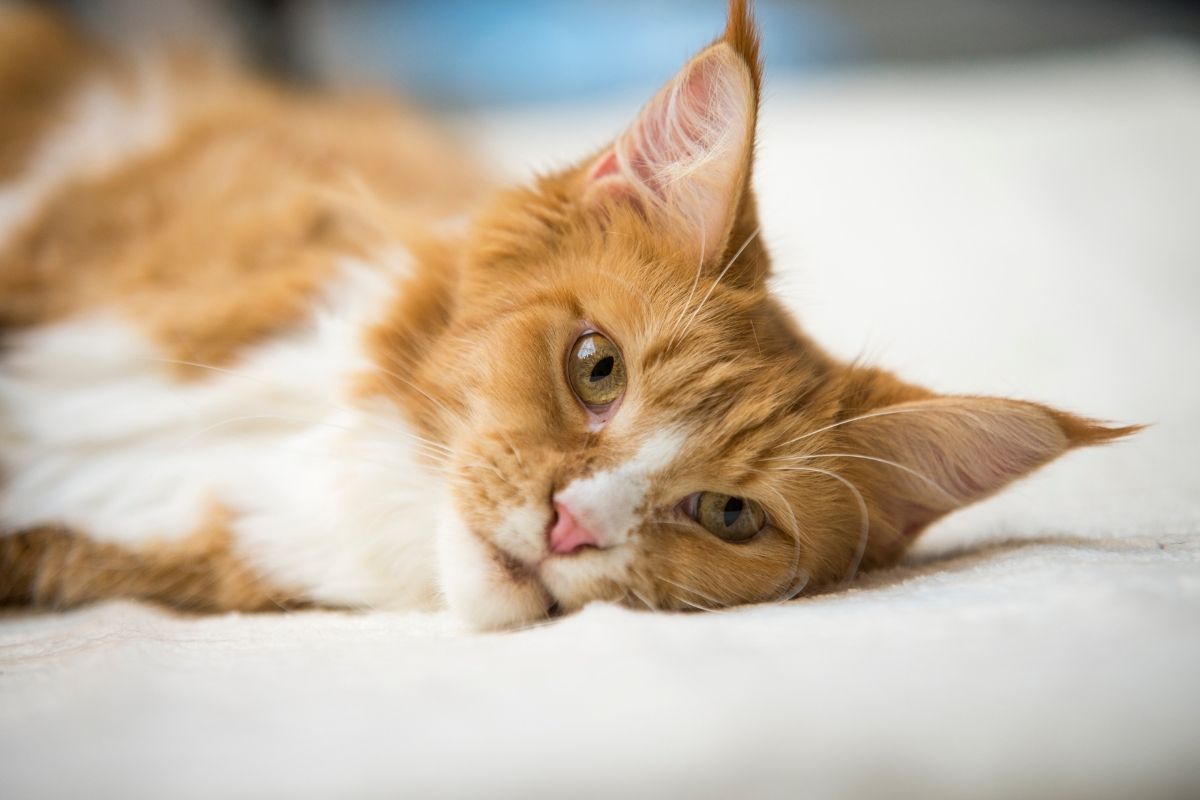
Cats suffering from kidney issues may appear unusually tired or less active. You might notice they sleep more, avoid play, or show less interest in daily activities.
This fatigue occurs because the body is struggling to remove waste products effectively, leading to a general feeling of weakness.
If your cat seems persistently low in energy, a veterinary checkup is recommended.
Poor Coat Condition
A cat’s coat is often a reflection of its overall health. Kidney disease can cause the fur to become dull, dry, or unkempt.
Cats with reduced energy may also groom themselves less frequently, which contributes to a messy or greasy appearance.
Changes in coat quality should not be ignored, especially when combined with other symptoms.
Vomiting and Digestive Issues
Vomiting is a common sign seen in cats with kidney disease. As toxins build up in the bloodstream, they can irritate the stomach lining.
Some cats may also experience diarrhea or general gastrointestinal discomfort. These symptoms can appear intermittently in the early stages, making them easy to overlook.
If vomiting becomes frequent, it is important to seek veterinary care promptly.
Bad Breath and Oral Ulcers
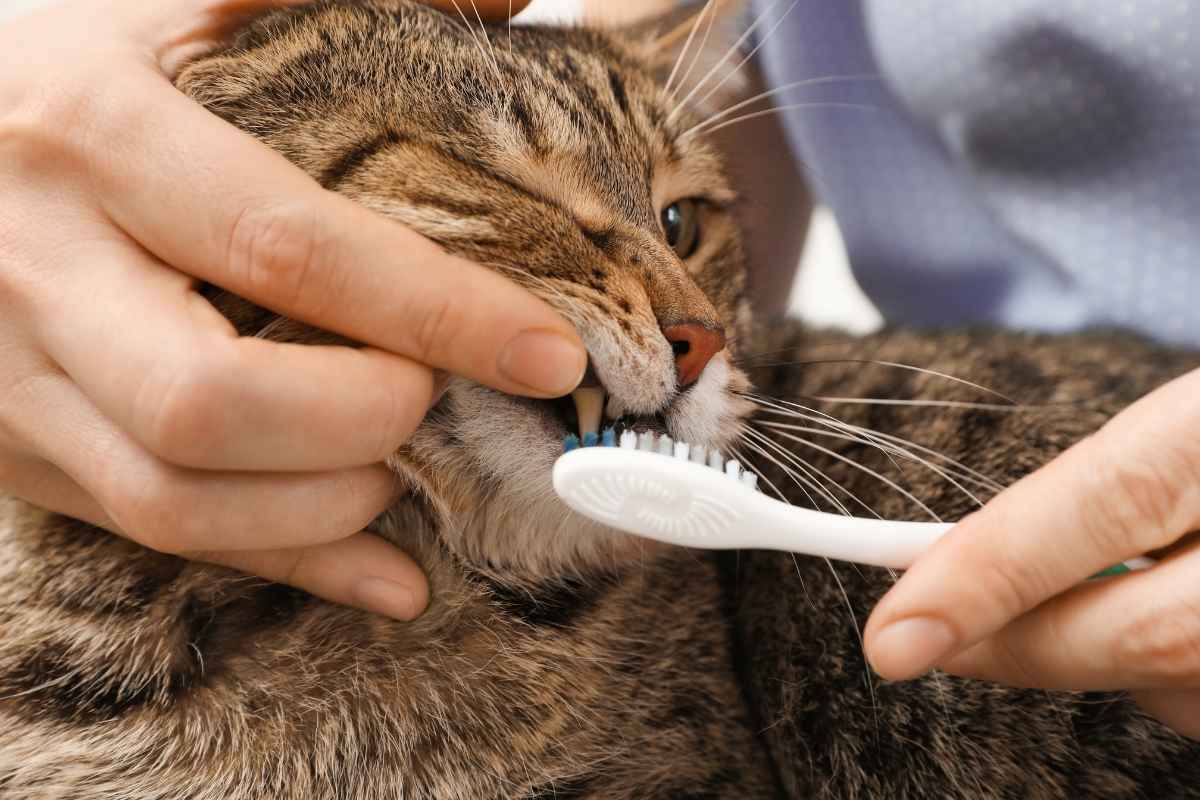
Kidney disease can cause a buildup of toxins that leads to bad breath, often described as having a chemical or ammonia-like smell. In more advanced cases, cats may develop ulcers in the mouth.
These oral changes can make eating painful and further reduce appetite. A vet can help identify whether these signs are linked to kidney function problems or other conditions.
Diagnosis and Veterinary Care
Early diagnosis is essential for managing kidney disease effectively. Veterinarians typically use blood tests, urine analysis, and sometimes imaging to evaluate kidney function.
If your cat shows any of the warning signs mentioned above, it is important to schedule an appointment without delay. Early intervention can help slow disease progression and improve quality of life.
The Cat Practice in New Orleans focuses on comprehensive feline care, ensuring that cats receive timely and accurate diagnosis from skilled veterinarians.
Treatment and Management Options
While kidney disease cannot always be cured, it can often be managed successfully with proper care. Treatment options may include dietary changes, fluid therapy, medications, and regular monitoring.
Special kidney diets are designed to reduce the workload on the kidneys while maintaining proper nutrition. In some cases, fluid therapy may be recommended to prevent dehydration.
Your vet will create a personalized care plan based on your cat’s condition and stage of disease.
Importance of Early Detection
Catching kidney disease early can significantly improve outcomes. Cats diagnosed in the early stages often respond better to treatment and can maintain a good quality of life for a longer period.
Routine veterinary checkups are essential, especially for older cats who are at higher risk. Preventive care allows veterinarians to detect changes before symptoms become severe.
When to Seek Veterinary Help
If you notice any combination of increased thirst, weight loss, lethargy, or changes in appetite, it is important not to wait. These symptoms may indicate kidney disease or another underlying health issue.
In such cases, you should schedule an appointment with a vet as soon as possible. Prompt evaluation by experienced veterinarians can make a significant difference in your cat’s health outcome.
Conclusion
Kidney disease in cats often develops silently, but early warning signs can provide crucial clues. Changes in drinking habits, appetite, energy levels, and overall appearance should always be taken seriously.
With timely veterinary care, proper management, and regular monitoring, many cats can continue to live comfortable lives even after diagnosis. The Cat Practice in New Orleans is dedicated to helping cat owners recognize these signs early and provide the best possible care for their pets.
Frequently Asked Questions
1. What are the first signs of kidney disease in cats?
Ans: Early signs often include increased thirst, frequent urination, mild weight loss, and reduced appetite.
2. Can kidney disease in cats be cured?
Ans: Most cases cannot be fully cured, but early treatment can help manage symptoms and slow progression.
3. How do veterinarians diagnose kidney disease in cats?
Ans: Veterinarians use blood tests, urine tests, and sometimes imaging to assess kidney function.
4. Is kidney disease more common in older cats?
Ans: Yes, older cats are at higher risk, especially those over seven years of age.
5. When should I schedule an appointment with a vet?
Ans: You should schedule an appointment immediately if you notice changes in drinking, eating, weight, or energy levels.
6. What can help manage kidney disease in cats?
Ans: Diet changes, medications, fluid therapy, and regular monitoring by veterinarians are commonly recommended.