
Spaying is a common and highly recommended procedure for female cats that helps prevent unwanted pregnancies and supports long term health. However, many cat owners notice a change in their pet’s weight after the surgery. Weight gain after spaying is not unusual, and it happens due to several biological and behavioral changes in the body. Understanding these changes can help cat owners manage their pet’s health more effectively with proper care from a trusted vet and guidance from experienced veterinarians.
This guide explains why weight gain happens after spaying, what changes occur in a cat’s body, and how to maintain a healthy lifestyle for your feline companion.
What Happens During Spaying
Spaying is a surgical procedure in which a female cat’s ovaries and usually the uterus are removed. This procedure is performed under anesthesia by a qualified vet in a clinical setting. It prevents heat cycles and eliminates the possibility of pregnancy.
Once the reproductive organs are removed, hormone levels in the body change significantly. These hormonal shifts are the primary reason behind many post surgery changes, including weight gain.
Hormonal Changes and Their Impact on Weight
After spaying, a cat’s estrogen levels drop. Estrogen plays an important role in regulating appetite and metabolism. When estrogen levels decrease, the body experiences changes that can influence how much a cat eats and how efficiently it burns calories.
Many cats begin to feel hungrier after spaying. At the same time, their metabolism slows down slightly. This combination of increased appetite and reduced energy use can lead to gradual weight gain if diet and activity levels are not adjusted.
Reduced Activity Levels After Surgery
Another important factor is a decrease in physical activity. After surgery, cats may become more relaxed and less energetic. While some of this is temporary during recovery, many cats continue to be less active even after healing.
Indoor cats, in particular, may sleep more and engage in fewer playful behaviors. When calorie intake remains the same but activity decreases, weight gain becomes more likely.
Increased Appetite and Food Intake
One of the most common changes seen after spaying is an increase in appetite. Some cats may seem constantly hungry or more interested in food than before.
This happens because hormonal changes affect the brain signals that control hunger and fullness. Without proper portion control, owners may unintentionally overfeed their pets. Treats and extra snacks can also add up quickly and contribute to weight gain over time.
Metabolic Slowdown After Spaying
Spaying can slightly reduce a cat’s metabolic rate. This means the body burns fewer calories at rest compared to before surgery. Even if the cat eats the same amount of food as before, the extra calories may be stored as fat.
This metabolic change is natural and expected, but it can be managed with proper diet adjustments recommended by veterinarians.
Age and Lifestyle Factors
Age and lifestyle also play a role in post spaying weight gain. Younger cats may adjust more easily, while older cats may gain weight faster due to already slower metabolism.
Indoor cats are more prone to weight gain because they have limited opportunities for exercise. Outdoor or active indoor cats usually maintain a healthier weight because they burn more energy throughout the day.
Health Risks of Excess Weight in Cats
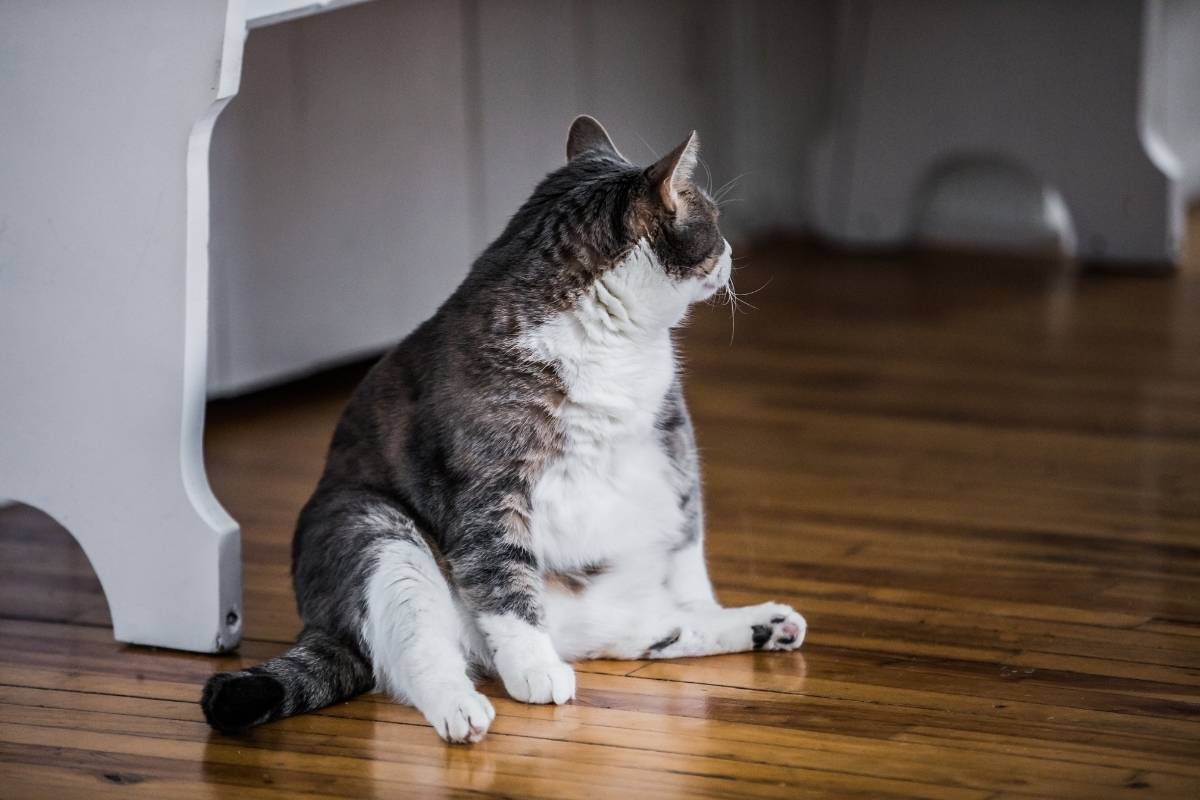
While some weight gain is common, excessive weight can lead to serious health problems. Overweight cats are more likely to develop conditions such as diabetes, joint problems, heart strain, and reduced mobility.
It is important for pet owners to monitor their cat’s weight regularly and consult a vet if they notice rapid or excessive changes.
How Veterinarians Can Help Manage Post Spay Weight
Veterinarians play a key role in helping cat owners manage weight changes after spaying. A vet can recommend the right diet plan based on the cat’s age, breed, and activity level.
The veterinarians at The Cat Practice in New Orleans often guide pet owners on portion control, calorie intake, and suitable food types for spayed cats. Regular checkups help ensure that weight gain is kept under control before it becomes a health concern.
If you notice changes in your cat’s weight or appetite, it is important to schedule an appointment with your vet one time to get a proper evaluation and guidance.
Diet Adjustments After Spaying
After spaying, cats may benefit from a diet that is lower in calories but still rich in essential nutrients. High protein diets can help maintain muscle mass while controlling fat accumulation.
Portion control is extremely important. Instead of free feeding, measured meals are recommended. Your vet may also suggest feeding schedules that match your cat’s activity level.
Encouraging Physical Activity
Keeping a cat active is essential for preventing weight gain. Play sessions with toys, climbing structures, and interactive games can help burn calories and maintain a healthy weight.
Even a few short play sessions each day can make a significant difference. Owners should try to engage their cats in activities that mimic hunting behavior, which naturally encourages movement.
Monitoring Weight at Home
Regular monitoring can help detect early signs of weight gain. Owners can gently feel their cat’s ribs and observe body shape changes. If ribs become difficult to feel or the waist becomes less visible, it may indicate weight gain.
Routine veterinary visits also help track weight trends over time and ensure the cat remains healthy.
Emotional Changes After Spaying
Some cats may become more relaxed or less anxious after spaying, which can reduce activity levels. While this is generally positive, it may contribute to a more sedentary lifestyle.
Owners should encourage balanced activity and avoid overfeeding during this adjustment period.
Conclusion
Weight gain after spaying is a natural outcome of hormonal, metabolic, and behavioral changes in female cats. While it is common, it should be managed carefully to avoid long term health issues.
With proper diet control, regular exercise, and guidance from a trusted vet, cats can maintain a healthy weight and continue to live active and happy lives. The veterinarians at The Cat Practice in New Orleans emphasize the importance of early monitoring and preventive care to ensure long term wellness.
If you notice any changes in your cat’s weight or eating habits, it is always best to schedule an appointment one time with a qualified veterinary professional for proper evaluation and care.
Frequently Asked Questions
1. Why do female cats gain weight after spaying?
Ans: Female cats gain weight after spaying mainly due to hormonal changes that increase appetite and slow down metabolism.
2. Is weight gain after spaying normal?
Ans: Yes, mild weight gain is common after spaying, but it should be monitored to prevent obesity.
3. How can I prevent my cat from gaining weight after spaying?
Ans: You can prevent weight gain by controlling portion sizes, feeding a balanced diet, and encouraging regular play and exercise.
4. Should I change my cat’s food after spaying?
Ans: Yes, many veterinarians recommend switching to a lower calorie diet formulated for spayed or indoor cats.
5. When should I consult a vet about my cat’s weight gain?
Ans: You should consult a vet if your cat gains weight rapidly or shows signs of reduced activity or health changes.
6. Can spayed cats still stay active and healthy?
Ans: Yes, with proper diet, exercise, and care from veterinarians, spayed cats can stay very active and healthy throughout their lives.