
Maintaining good oral hygiene is an essential part of keeping your cat healthy and comfortable throughout their life. Dental disease is one of the most common health issues in cats, and it often begins silently. Choosing the right toothpaste plays a major role in preventing plaque buildup, gum inflammation, bad breath, and long term dental complications. This guide explains safe toothpaste options for cats, how to use them correctly, and why veterinary guidance is important for your pet’s oral care routine.
Why Dental Care Matters for Cats
Cats are experts at hiding discomfort, which means dental problems often go unnoticed until they become severe. Plaque and tartar can build up quickly on a cat’s teeth, leading to gingivitis, periodontal disease, and even tooth loss.
Regular brushing with a safe toothpaste helps reduce bacteria in the mouth and supports overall health. Poor dental hygiene can also affect other organs such as the heart and kidneys because bacteria can enter the bloodstream through infected gums.
Veterinarians strongly recommend starting dental care early and maintaining it consistently throughout your cat’s life.
What Makes Cat Toothpaste Different
Human toothpaste is not safe for cats. It often contains ingredients like fluoride and xylitol, which can be toxic to pets. Cat toothpaste is specially formulated to be safe if swallowed since cats cannot rinse and spit like humans.
Good cat toothpaste typically includes enzymes that help break down plaque and bacteria. It also comes in flavors that appeal to cats such as poultry, seafood, or malt, making the brushing process easier for pet owners.
Always consult a vet before choosing a dental product to ensure it is appropriate for your cat’s specific health needs.
Safe Toothpaste Options for Cats
There are several types of safe toothpaste options designed specifically for feline dental care. Understanding these options can help you choose the best one for your cat.
Enzymatic Toothpaste
Enzymatic toothpaste is one of the most recommended options by veterinarians. It contains natural enzymes that help reduce bacteria and prevent plaque buildup. These toothpastes work even if brushing is limited because they continue to break down harmful particles after application.
Non Foaming Cat Toothpaste
Non foaming formulas are designed for safe swallowing. Since cats do not rinse their mouths, non foaming toothpaste ensures there is no risk of ingestion issues. These are gentle and ideal for daily use.
Natural and Herbal Toothpaste
Some cat owners prefer natural options made with herbal ingredients. These may include aloe vera, neem, or other plant based extracts that support oral health. While natural products can be helpful, it is important to verify their safety with a vet before use.
Flavor Based Toothpaste
Flavor plays a big role in making brushing easier. Many cats respond well to chicken, tuna, or seafood flavored toothpaste. These options encourage cooperation during brushing and reduce stress for both the cat and owner.
Veterinary Recommended Toothpaste
Veterinarian approved products are often the safest choice because they have been tested for effectiveness and safety. Veterinarians can recommend specific brands based on your cat’s age, dental condition, and medical history.
How to Use Cat Toothpaste Effectively
Using toothpaste correctly is just as important as choosing the right product. Cats need a gentle introduction to brushing to avoid stress or resistance.
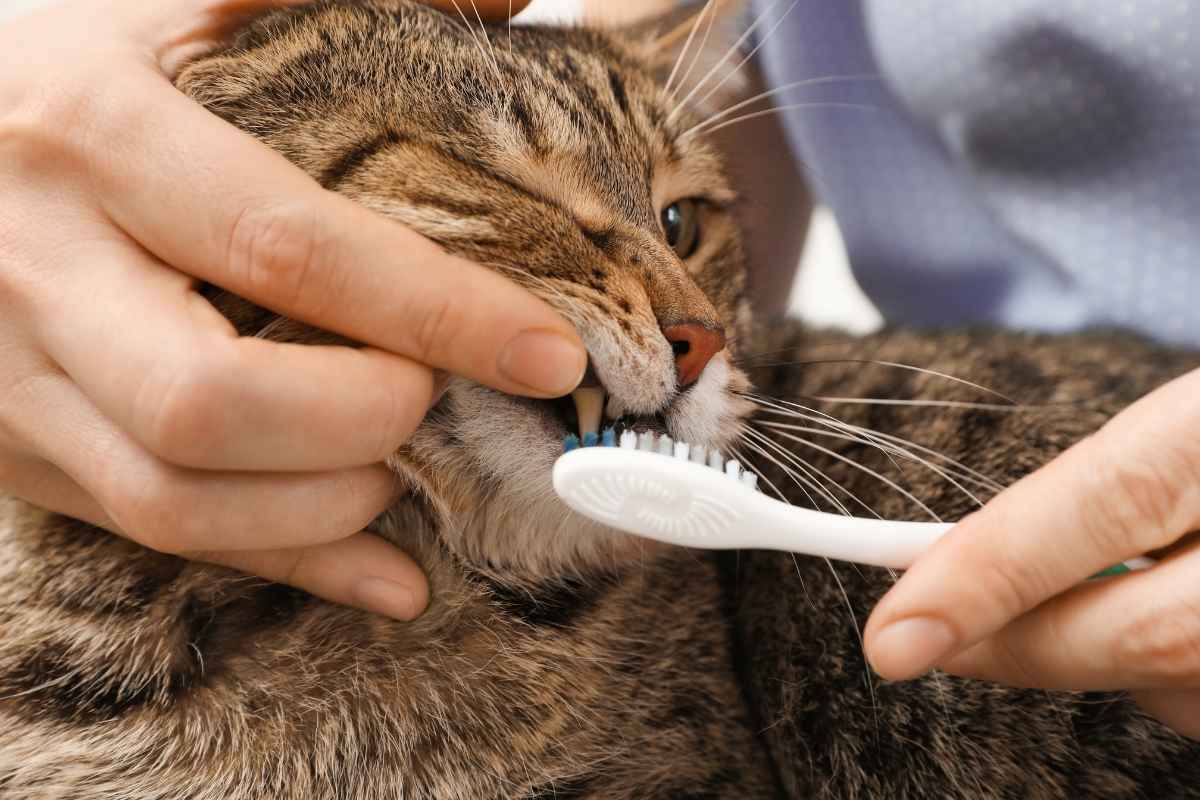
Start by letting your cat taste the toothpaste so they become familiar with the flavor. Gradually introduce a toothbrush or finger brush designed for cats. Begin with short sessions and slowly increase brushing time as your cat becomes comfortable.
Focus on the outer surfaces of the teeth since that is where plaque builds up most. Be patient and consistent. Even a few seconds of brushing each day can make a significant difference over time.
Role of Veterinarians in Cat Dental Care
Regular dental checkups with a vet are essential for maintaining oral health. Veterinarians can identify early signs of dental disease that may not be visible at home.
If your cat shows signs such as bad breath, drooling, difficulty eating, or pawing at the mouth, it is important to seek veterinary attention promptly. Professional dental cleaning may be required in some cases.
At The Cat Practice in New Orleans, experienced veterinarians focus on preventive care and provide tailored advice for your cat’s dental health needs. If you are unsure about which toothpaste to use or how to start a brushing routine, you can schedule an appointment one time to receive personalized guidance and care recommendations.
Tips for Maintaining Your Cat’s Oral Health
Consistency is key when it comes to dental care. Brush your cat’s teeth several times a week if possible, or daily for best results. Combine brushing with dental treats and toys designed to reduce plaque.
Regular vet visits ensure that any developing issues are detected early. Preventive care is always easier and less expensive than treating advanced dental disease.
Conclusion
Choosing effective and safe toothpaste for your cat is an important step in protecting their overall health. Whether you select enzymatic, natural, or veterinary recommended options, the goal is to maintain clean teeth and healthy gums. With proper brushing techniques, consistent care, and guidance from veterinarians, your cat can enjoy a healthier and more comfortable life.
Frequently Asked Questions
1. What type of toothpaste is safe for cats?
Ans: Cat specific toothpaste that is enzymatic, non foaming, and free from toxic ingredients like fluoride and xylitol is safe for cats.
2. Can I use human toothpaste for my cat?
Ans: No, human toothpaste is not safe for cats because it contains ingredients that can be harmful if swallowed.
3. How often should I brush my cat’s teeth?
Ans: Ideally, brushing should be done daily, but several times a week can still provide benefits.
4. What if my cat refuses tooth brushing?
Ans: Start slowly with flavored toothpaste and short sessions. A vet can also recommend alternative dental care options.
5. Do cats really need toothpaste if they eat dry food?
Ans: Yes, dry food alone is not enough to prevent dental disease. Toothpaste and brushing are still necessary.
6. When should I visit a vet for dental problems?
Ans: If you notice bad breath, swollen gums, or eating difficulties, consult a vet immediately and consider scheduling an appointment one time for a full checkup.