
Cats are incredibly good at masking pain. Even when something is wrong, they often continue their normal routines — eating, playing, and resting — without obvious signs of discomfort. Unfortunately, this makes dental disease one of the most common yet unnoticed health issues in felines.
Because symptoms develop slowly, many cat owners don’t realize there’s a problem until it becomes serious. That’s why proactive cat dental care is essential to protect your feline companion’s comfort, health, and longevity.
Understanding Dental Disease in Cats
Dental disease doesn’t appear overnight. It begins with plaque — a sticky film that forms on your cat’s teeth after eating. Over time, plaque hardens into tartar, which irritates the gums and creates the perfect environment for bacteria to grow.
As this process continues:
- Gums become inflamed (gingivitis)
- Infection can spread below the gumline
- Periodontal disease develops
If left untreated, this can lead to tooth loss and severe pain. More importantly, bacteria from the mouth can enter the bloodstream and affect vital organs like the heart, liver, and kidneys.
Dental disease is not just about bad breath — it’s a serious medical condition.
Subtle Signs Your Cat May Have Dental Problems
Since cats hide discomfort so well, it’s important to watch for small changes.
Common warning signs include:
- Persistent bad breath
- Red or swollen gums
- Yellow or brown tartar buildup
- Drooling or pawing at the mouth
- Difficulty chewing or dropping food
You might also notice behavioral shifts. A normally social cat may become withdrawn or irritable. Some cats eat less due to oral pain, which can lead to weight loss over time.
Routine veterinary visits at The Cat Practice in New Orleans help detect these issues early — often before they become severe.
Why Oral Health Affects the Whole Body
Your cat’s mouth is directly connected to their overall health.
When dental disease progresses:
- Eating becomes painful, reducing appetite
- Poor nutrition leads to weakness
- Bacteria can spread through the bloodstream
This can contribute to serious complications involving major organs. In some cases, untreated dental disease can even shorten your cat’s lifespan.
Consistent cat dental care is one of the most effective ways to prevent these risks and support full-body health.
What to Expect During a Professional Dental Cleaning
At The Cat Practice, dental procedures are designed specifically for cats, ensuring a calm, low-stress experience.
A professional dental cleaning typically includes:
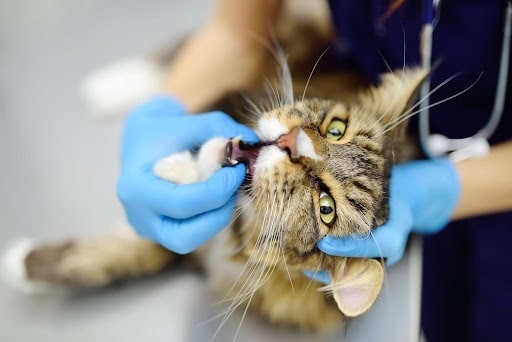
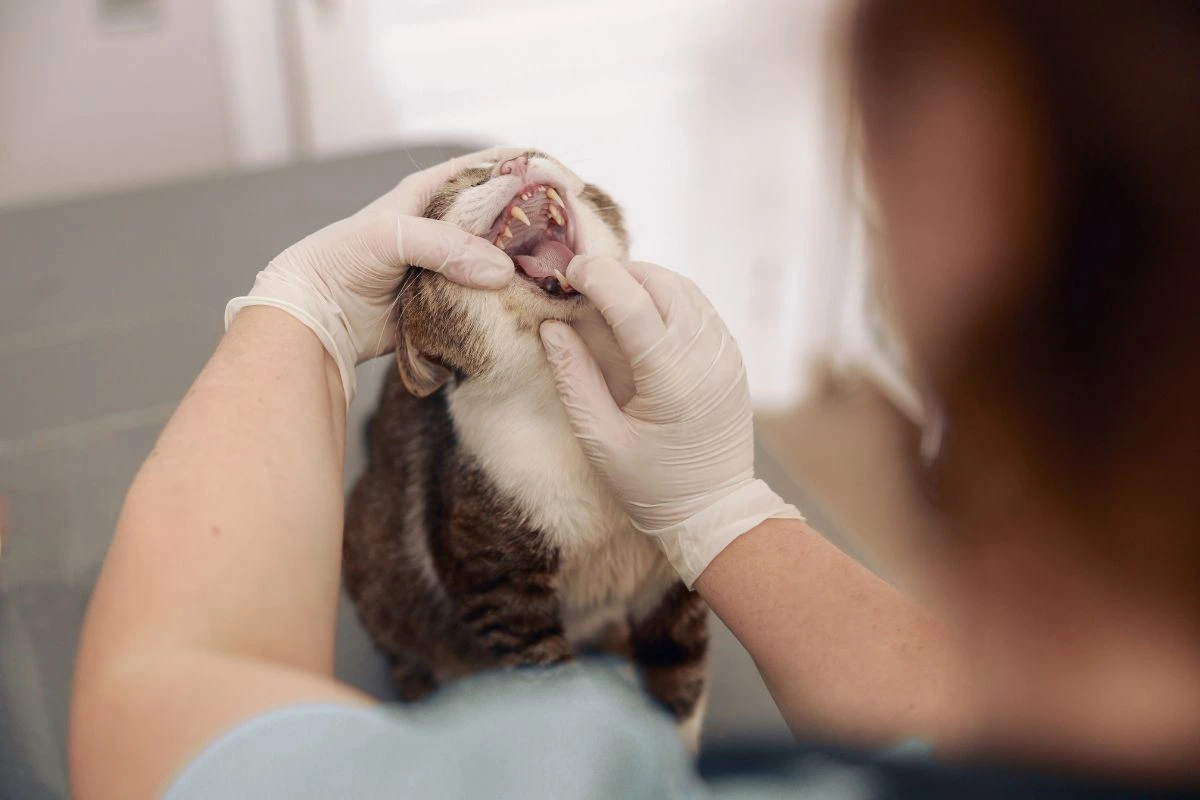
Comprehensive Oral Exam
A thorough evaluation of teeth, gums, and oral tissues. Dental X-rays may be used to identify hidden problems.
Ultrasonic Scaling
Advanced tools remove plaque and tartar above and below the gumline — where most disease begins.
Polishing
Teeth are smoothed to reduce future plaque buildup.
Treatment if Needed
Damaged or infected teeth may be treated or removed to relieve pain and prevent further complications.
While anesthesia is required, modern monitoring ensures your cat’s safety throughout the procedure.
Supporting Dental Health at Home
Professional cleanings are essential, but at-home care plays a key role too.
You can help by:
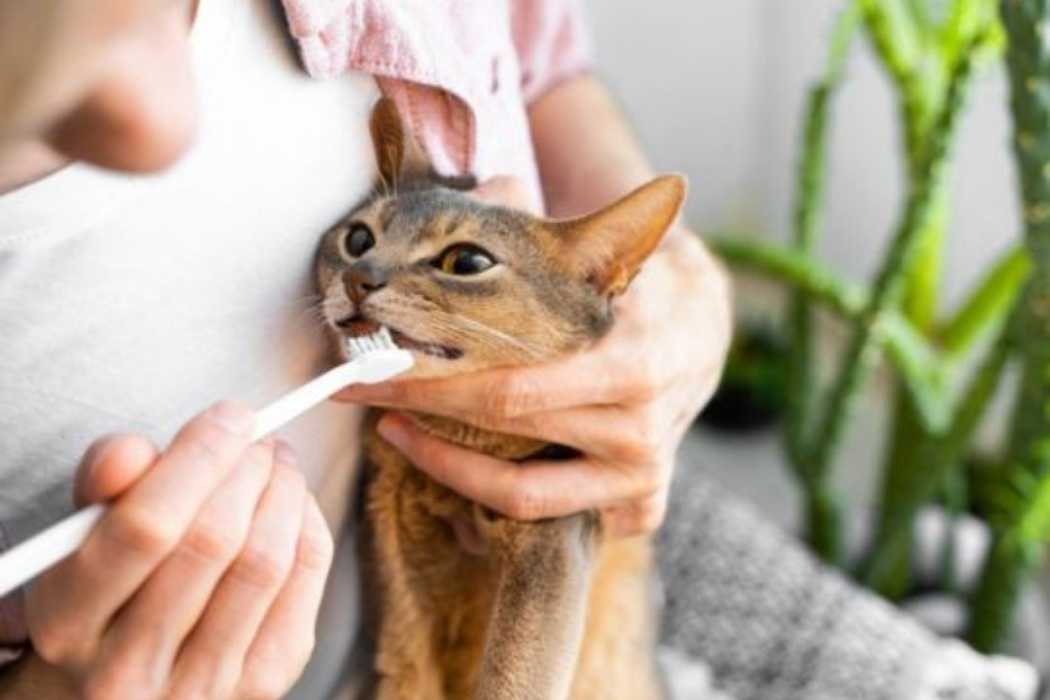
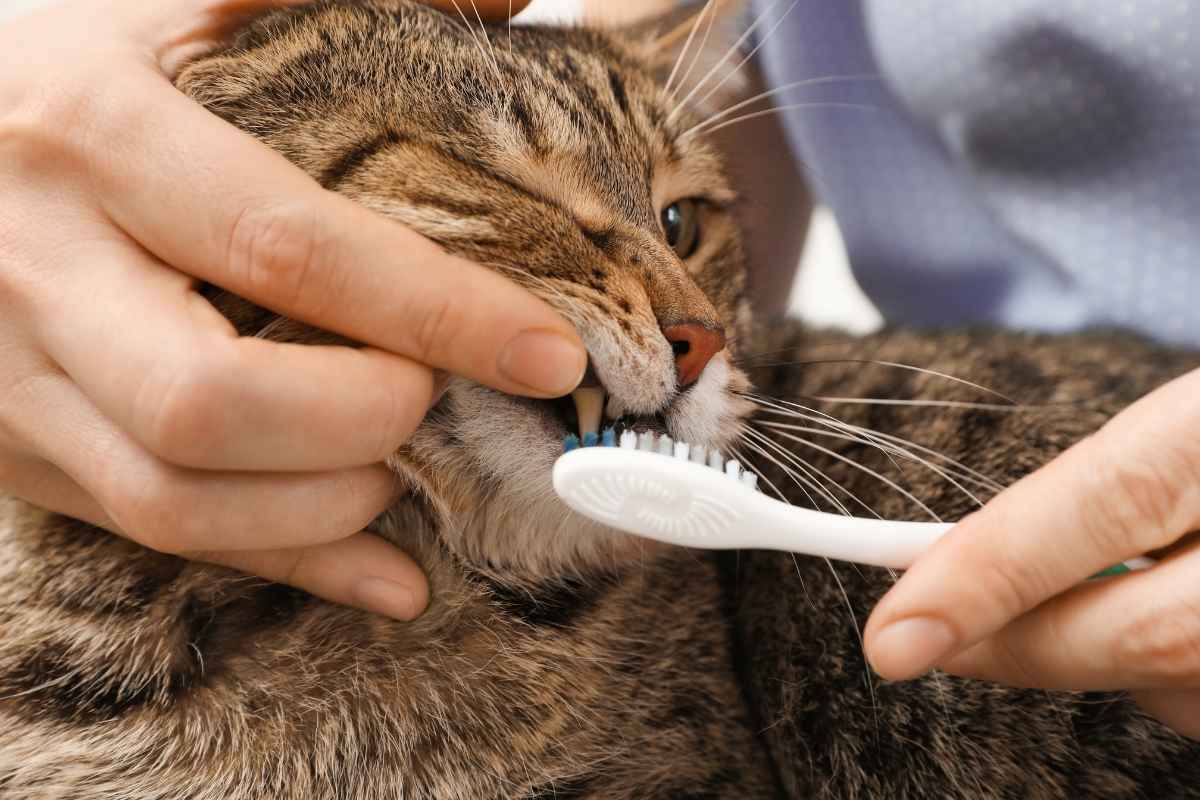
- Brushing your cat’s teeth with feline-safe toothpaste
- Offering dental treats or specialized diets
- Maintaining a consistent routine
These steps won’t replace professional care, but they significantly reduce plaque buildup and improve long-term outcomes.
How Often Does Your Cat Need Dental Care?
Most cats benefit from annual dental exams. However, some may need more frequent care depending on their age, breed, or health condition.
At The Cat Practice, every cat receives a personalized plan tailored to their specific needs — ensuring the right level of care at every life stage.
Preventive Care Saves Pain — and Cost
Ignoring dental health can lead to advanced disease, requiring extractions and complex treatments.
Preventive care helps:
- Reduce chronic pain
- Maintain a healthy appetite
- Avoid costly procedures
- Improve quality of life
By investing in routine cat dental care, you’re protecting both your cat’s health and your peace of mind.
Why Choose The Cat Practice in New Orleans?
Unlike general veterinary clinics, The Cat Practice is exclusively dedicated to feline care.
This means:
- A calm, cat-friendly environment
- Expertise in feline-specific conditions
- Gentle, stress-reducing handling techniques
- Personalized and thorough treatment plans
Their team understands the unique needs of cats — especially when it comes to dental health.
Long-Term Benefits of Dental Cleaning
Regular dental care provides lasting advantages:
- Healthier teeth and gums
- Fresher breath
- Reduced risk of organ disease
- Better nutrition and appetite
- Longer, more comfortable life
Take the Next Step for Your Cat’s Health
Your cat depends on you to notice what they cannot show. Prioritizing dental health is one of the most important ways to ensure they live a happy, pain-free life.
If you’re in New Orleans and looking for expert cat dental care, now is the perfect time to act.
Book an appointment with The Cat Practice today and give your feline companion the specialized care they deserve.
FAQs
Q1. Why is dental cleaning important for cats?
Ans: Dental cleaning removes plaque and tartar, preventing gum disease, tooth loss, and infections that can spread to vital organs.
Q2. What are early signs of dental disease?
Ans: Bad breath, swollen gums, drooling, and difficulty eating are common early indicators.
Q3. How often should my cat have a dental exam?
Ans: Most cats need yearly exams, though some may require more frequent care.
Q4. Is anesthesia safe for dental procedures?
Ans: Yes. Modern veterinary practices use advanced monitoring to ensure safety during procedures.
Q5. Can I care for my cat’s teeth at home?
Ans: Yes, brushing and dental diets help — but they should complement professional cleanings.
Q6. Can dental disease affect overall health?
Ans: Absolutely. Bacteria from dental infections can spread to organs and impact your cat’s long-term health.