
Cats may be naturally resilient, but the recovery period after surgery requires thoughtful care and close attention. Whether your cat has undergone a routine procedure or a more advanced operation, the way you manage their healing at home can significantly impact their comfort and recovery speed.
At The Cat Practice, we understand that post-operative care is just as important as the procedure itself. This step-by-step guide will help you support your cat’s healing journey with confidence.
Step 1: Set Up a Calm and Comfortable Recovery Space
When your cat returns home, they need a quiet, stress-free environment to rest. Choose a space away from noise, other pets, and household activity.
Make sure the area includes:
- A soft, cozy bed or blanket
- Easy access to food and fresh water
- A nearby litter box
Keeping everything within reach minimizes movement and helps your cat conserve energy for healing.
Step 2: Limit Activity and Observe Behavior
It’s normal for cats to feel sleepy or disoriented after surgery. However, too much movement too soon can delay healing or cause complications.
To support recovery:
- Prevent jumping, running, or climbing
- Keep your cat in a confined, safe area if needed
- Monitor for unusual behavior or discomfort
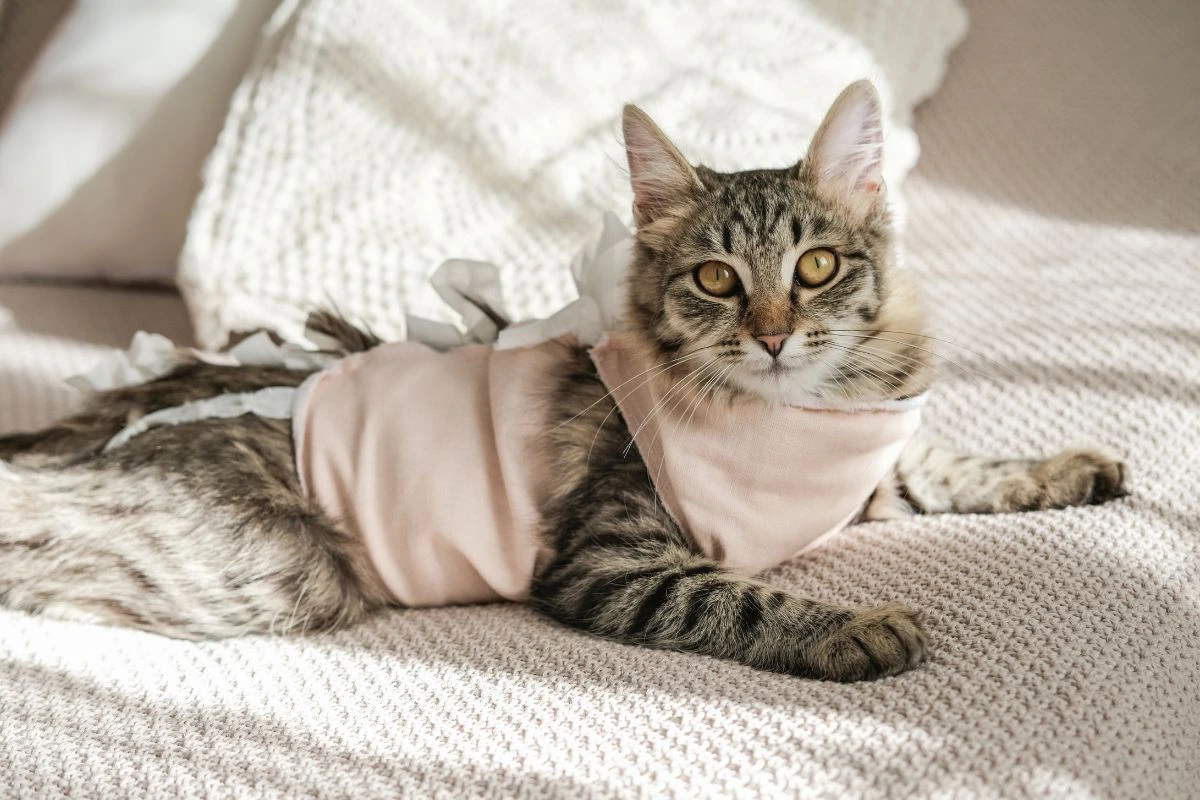
If your cat tries to lick or interfere with the surgical site, your veterinarian may recommend an Elizabethan collar (E-collar) for protection.
Step 3: Administer Medications Exactly as Directed
Pain management and infection prevention are critical after surgery. Your veterinarian will provide medications such as pain relievers or antibiotics.
Be sure to:
- Follow dosage instructions carefully
- Complete the full course of medication
- Never skip doses
If giving medication is difficult, consult your veterinary team at The Cat Practice for safe and effective alternatives.
Step 4: Check the Surgical Site Daily
Monitoring the incision site is essential for early detection of complications.
Look for:
- Mild swelling or redness (normal initially)
- Discharge or unusual odor
Excessive licking or irritation
If symptoms worsen or don’t improve, seek veterinary guidance immediately. Early intervention can prevent serious issues.
Step 5: Encourage Eating and Hydration
Proper nutrition supports faster healing. After surgery, your cat may have a reduced appetite, which is common.
To help:
- Offer small portions of food
- Try wet food for better palatability
- Ensure constant access to fresh water
If your cat refuses food for more than 24 hours, contact your veterinarian.
Step 6: Gradually Resume Normal Activity
As your cat begins to recover, you can slowly reintroduce gentle movement.
Start with:
- Short, calm interactions
- Light play without jumping or strain
Always follow your veterinarian’s timeline. Rushing activity can lead to setbacks or injury.
Step 7: Don’t Skip Follow-Up Visits
Follow-up appointments are crucial to ensure proper healing.
During these visits, your veterinarian will:
- Evaluate the surgical site
- Adjust medications if needed
- Provide guidance for continued recovery
If your cat recently underwent cat surgery in New Orleans, The Cat Practice team will ensure every stage of recovery is closely monitored.
Why Post-Surgical Care Matters
Recovery isn’t just about healing the incision — it’s about restoring your cat’s overall health and comfort.
Proper care helps:
- Reduce pain and stress
- Prevent infections
- Support faster healing
- Avoid complications
With the right approach, your cat can return to their normal, playful self much sooner.
Trust The Cat Practice for Expert Surgical Care
At The Cat Practice, every procedure is performed with a feline-focused approach in a calm, cat-friendly environment. From surgery to recovery, your cat receives personalized care tailored to their needs.
If your cat requires expert cat surgery in New Orleans, or if you need guidance during recovery, our team is here to help every step of the way.
Book an appointment today to ensure your cat receives compassionate, specialized care.
FAQs
Q1. How long does it take for a cat to recover from surgery?
Ans: Most cats recover within 10–14 days for minor procedures, while complex surgeries may take longer.
Q2. Can I give my cat pain medication after surgery?
Ans: Yes, but only medications prescribed by your veterinarian. Always follow the exact dosage instructions.
Q3. What if my cat isn’t eating after surgery?
Ans: Try offering wet or warmed food. If your cat refuses to eat for more than 24 hours, contact your vet.
Q4. How do I stop my cat from licking the incision?
Ans: An E-collar is commonly used to prevent licking or biting the surgical site.
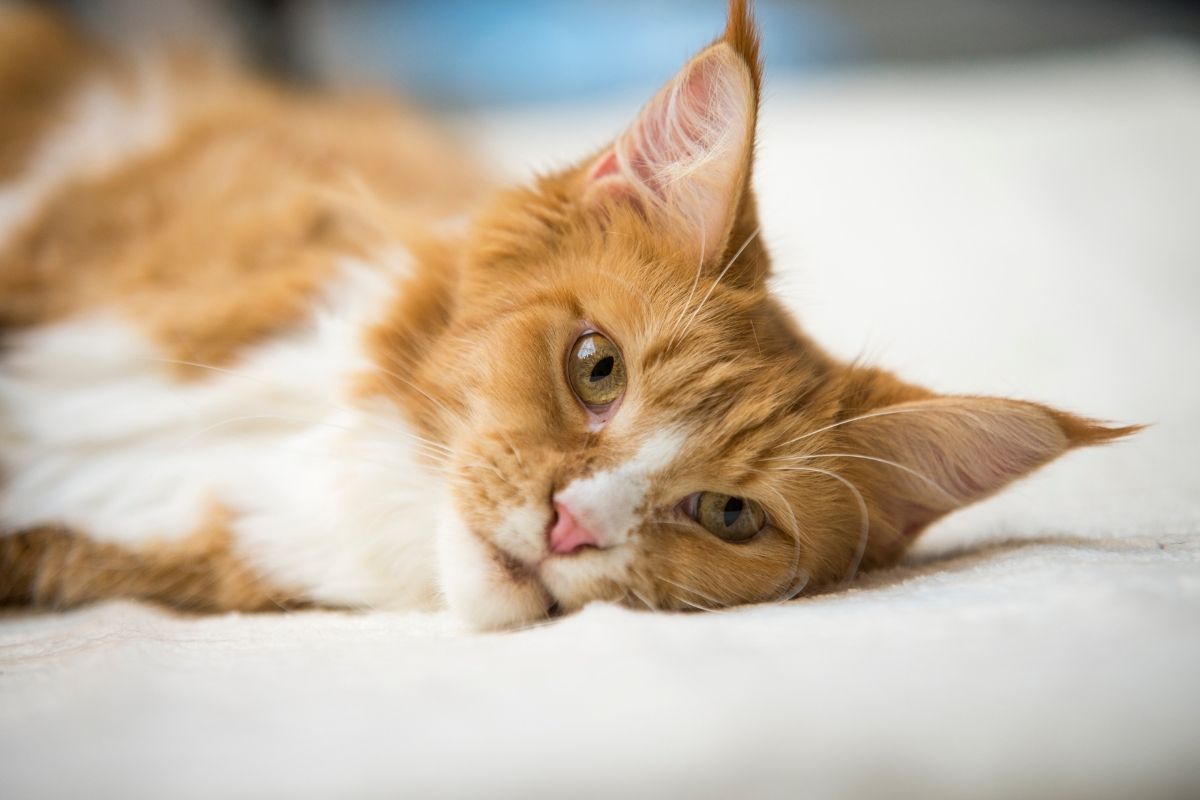
Q5. Is it normal for my cat to be tired after surgery?
Yes, mild lethargy is expected for a few days. If it continues longer, consult your veterinarian.
Q6. When can my cat return to normal activity?
Ans: Follow your vet’s guidance. Activity should be reintroduced gradually to avoid complications.